



The Monsoon-Mushroom Connection
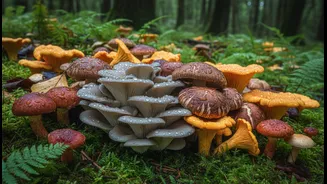
There's a reason mushrooms and monsoons are a match made in culinary heaven. The damp, humid weather creates the perfect conditions for a wide variety of fungi to sprout, both in commercial farms and in the wild. While cultivated varieties like button,
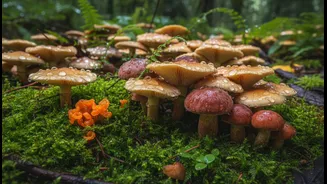
oyster, and portobello are available year-round, the monsoon heralds the brief but glorious arrival of unique wild species. For centuries, tribal communities and local foragers have possessed the generational knowledge to identify these seasonal delicacies, which often appear for just a few days after heavy thunderstorms. This seasonal rhythm makes mushrooms a highly anticipated ingredient, especially in regions where the monsoon limits activities like fishing, turning them into a prized substitute.
Meet the Stars of the Season
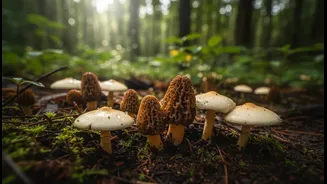
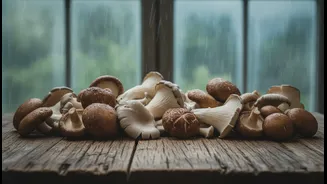
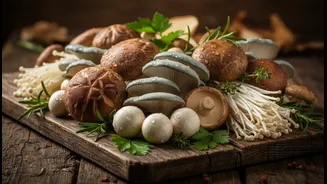
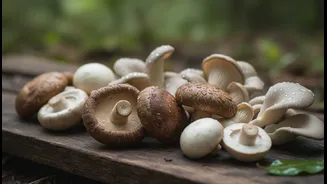
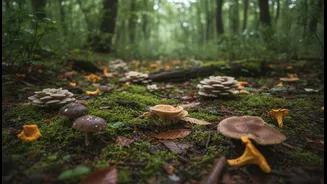
Beyond the familiar button mushroom lies a world of flavour and texture. The monsoon brings forth rare and celebrated varieties across India. In Goa and along the Konkan coast, the 'Olmi' or 'Roen Olmi' is a delicacy that grows on termite mounds and is only available for a few weeks. In Jharkhand and Chhattisgarh, foragers hunt for 'Rugra' or 'Boda', a spherical mushroom found near Sal trees that has a meaty texture and is often called 'vegetarian mutton'. The forests of Kashmir yield the prized 'Gucchi' or morel, one of the world's most expensive mushrooms, known for its spongy, honeycombed appearance. These wild varieties, along with cultivated ones like Shiitake, offer a range of deep, umami flavours perfect for hearty monsoon dishes.
From Pan to Plate: Trending Dishes
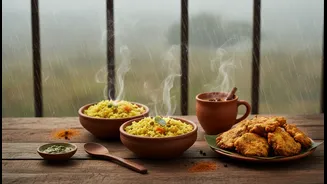
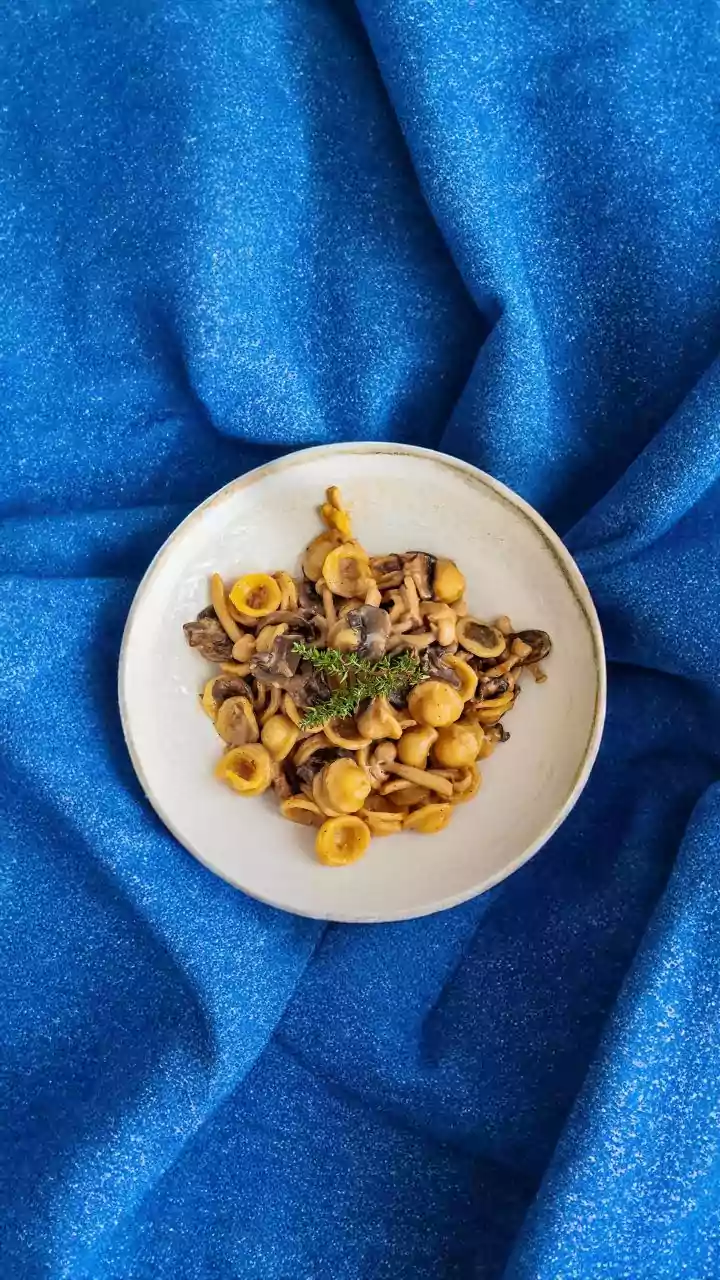
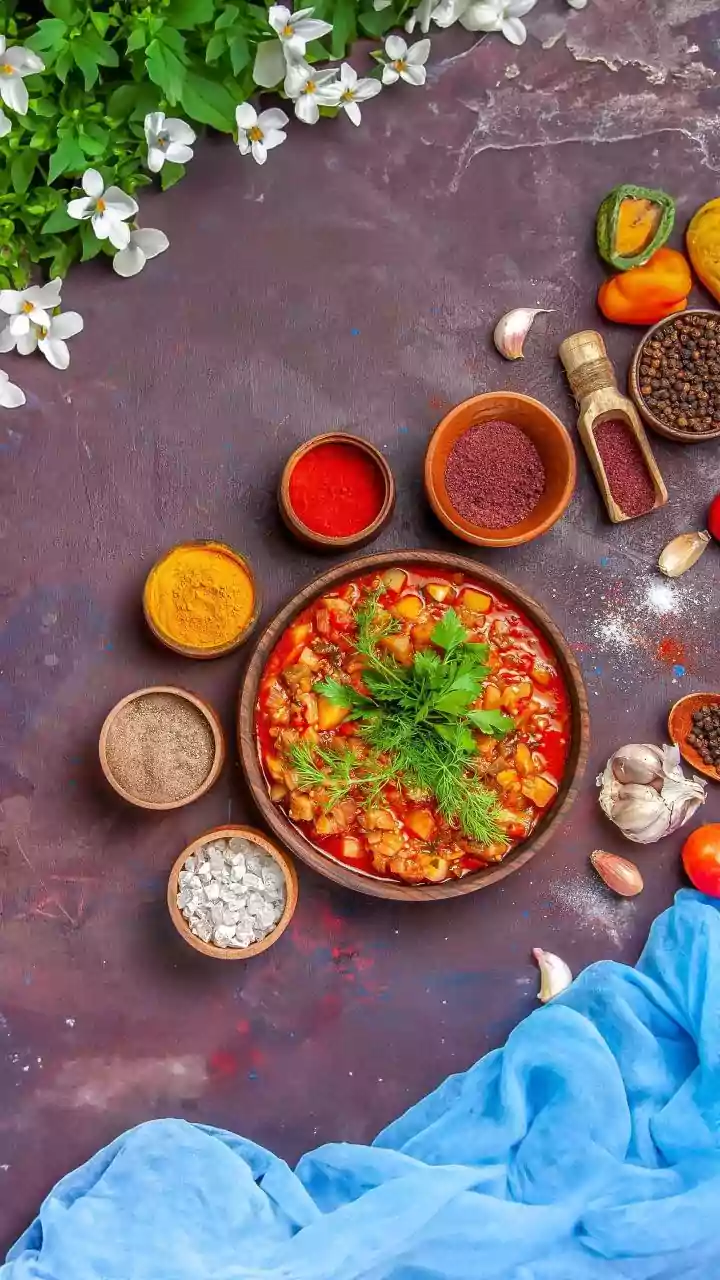
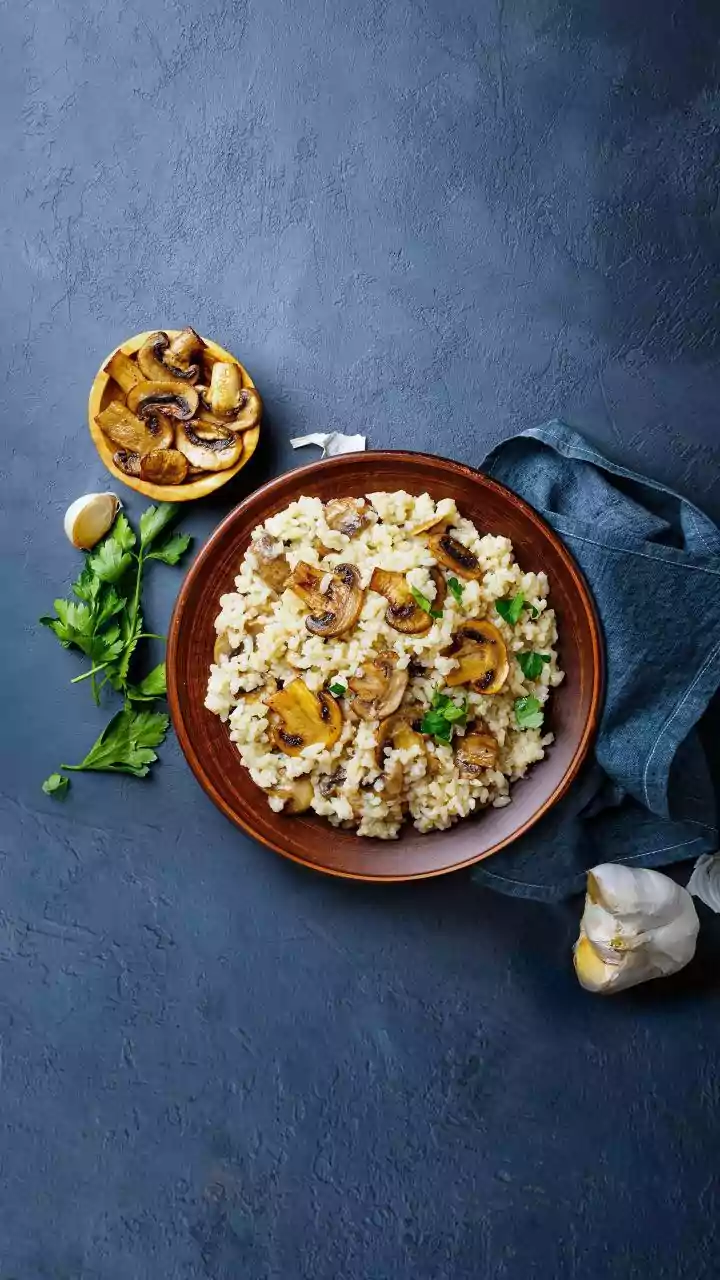
The versatility of mushrooms shines in monsoon kitchens. In Goa, wild Olmi are transformed into fiery 'Xacuti', a coconut-based curry, or a simple 'Chilly Fry'. In North India, 'Kadai Mushroom' and 'Mushroom Tikka', with their robust spice blends, are popular choices. Chefs and home cooks are also getting creative, using mushrooms in everything from comforting soups and hearty stews to elegant grilled skewers. A simple stir-fry, brightened with black pepper like the South Indian 'Kalan Milagu', is another quick and delicious way to enjoy the fungi. These dishes are not just about taste; they provide warmth and comfort on a rainy day.
A Flavour-Packed Powerhouse
Mushrooms aren't just delicious; they are a nutritional powerhouse, making them an excellent addition to a monsoon diet when immunity can be a concern. They are low in calories and fat but rich in protein, fibre, vitamins (like B vitamins and D), and minerals. The selenium in mushrooms acts as an antioxidant, while potassium is beneficial for heart health. Their high fibre content aids digestion and promotes a feeling of fullness, which can help with weight management. By boosting the immune system, mushrooms can help the body defend against common seasonal illnesses like colds and flu.
A Cook's Guide to Perfection
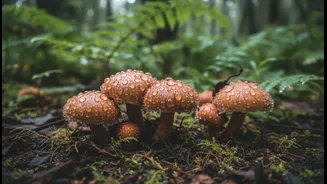
To get the best out of your mushrooms, a few simple rules apply. Always select mushrooms that are firm and fresh. While some believe mushrooms should be avoided during the monsoon due to the risk of bacteria from damp soil, nutritionists agree that as long as they are from a reliable source and are washed and cooked well, they are perfectly safe. Clean them with a damp cloth or a quick rinse, but avoid soaking them as they absorb water. Cooking them thoroughly is key. A word of caution: never forage for wild mushrooms unless you are with an expert. Many poisonous varieties look identical to edible ones, and cooking does not always neutralize toxins. It's always safest to buy from a trusted vendor to enjoy this seasonal treat without risk.