



The End of the Bucket List?
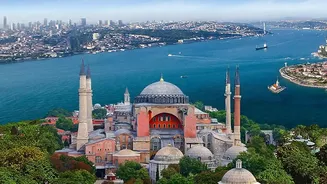
For decades, the mark of a well-travelled person was a list of conquered sites: the Eiffel Tower, the Taj Mahal, the Colosseum. But a significant shift is underway. An increasing number of globetrotters are now consciously avoiding these overrun hotspots
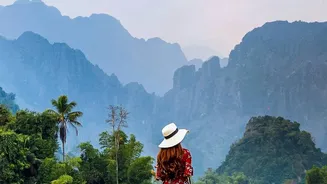
in favour of quieter, more meaningful journeys. This trend, sometimes called “anti-tourism,” is about escaping crowds and discovering the true essence of a place. It's a move from a 'seeing' to a 'being' mindset, where the quality of the experience far outweighs the quantity of sights seen. This recalibration is redefining what it means to have a successful trip, with travellers seeking restoration and slower itineraries over a frantic race from one monument to the next.
What's Driving This Shift?
Several factors are fuelling this quest for authenticity. Chief among them is the problem of 'overtourism', where an excessive number of visitors degrades the experience for everyone and strains local communities. Crowds, queues, and inflated prices diminish the charm of a destination, leaving travellers feeling exhausted rather than enriched. The pandemic also played a role, causing many to re-evaluate their priorities and seek more intentional, meaningful travel. Furthermore, there's a growing desire to connect with different cultures on a deeper level—something that’s difficult to do when you’re just one face in a sea of tourists. Instead of observing from the outside, people want to participate in the rhythm of local life.
What Authentic Travel Looks Like
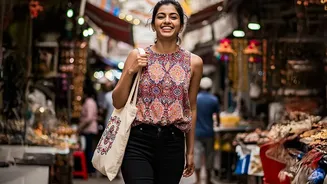
So, what does this new mode of travel involve? Instead of a guided tour bus, it might be a cooking class in a local's home, a visit to a neighbourhood market, or a stay at a family-run farm. It's about swapping the five-star hotel for a boutique property that facilitates deep cultural immersion. Experiential travel is now the fastest-growing segment of the industry, encompassing everything from culinary tours and wellness retreats to adventure sports and eco-tourism. According to market research, the global experiential travel market was valued at a staggering $3.2 trillion in 2025 and is projected to continue its rapid growth. This isn’t just about the activity itself; it’s about the personal interaction and the stories exchanged. It's the difference between seeing a heritage site and hearing its history from a local storyteller who brings it to life.
The Rise of the Conscious Traveller
This trend goes hand-in-hand with a greater awareness of the impact of travel. Travellers are becoming more conscious of sustainability, not just environmentally but also socially and economically. They want to know that their tourist dollars are supporting local communities directly, rather than large multinational corporations. This involves booking with local guides, staying in locally-owned accommodation, and buying from local artisans. By making these choices, travellers not only get a more authentic experience but also contribute to preserving the very culture they've come to enjoy. It transforms travel from a purely consumptive act into a mutually beneficial exchange.
Finding Your Own Authentic Path
Embracing this travel style doesn't require a radical overhaul of your plans. It can be as simple as dedicating an afternoon to exploring a neighbourhood outside the main tourist zone, using local transport, or asking a shopkeeper for their favourite place to eat. The key is to remain curious, open, and intentional. Instead of planning every minute, leave room for spontaneity and unexpected discoveries. These unplanned moments—the conversation with a stranger, the discovery of a hidden alley—are often the most memorable and what truly defines an authentic travel experience.