

Understanding Warm Minimalism
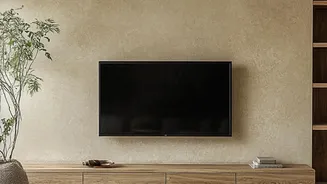
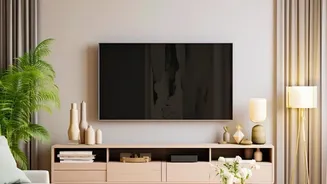
Minimalism has traditionally been associated with stark white walls, bare surfaces, and a 'less is more' philosophy. While this creates a sense of calm, it can feel impersonal. Warm minimalism softens these edges. It keeps the clean lines and clutter-free
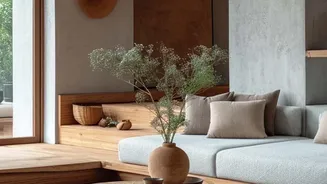
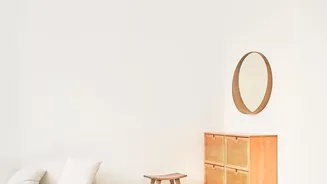
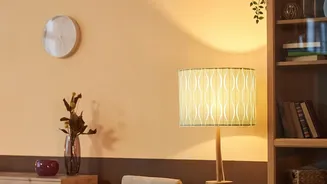
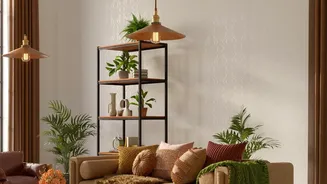
principles but introduces inviting elements. Think soft, natural materials like linen, wool, and wood instead of glossy, clinical finishes. The colour palette shifts from cool whites to warmer, earthy neutrals like beige, cream, and taupe. The goal is to create a space that is visually calm yet deeply comfortable and human. It’s a design style that prioritises feeling and character alongside function.
The Soul of Indian Craftsmanship
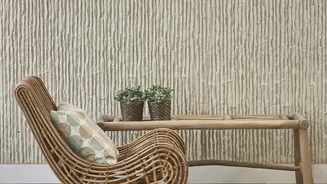
Indian design, in contrast, is often celebrated for its vibrancy, intricate patterns, and rich ornamentation. At its heart is a legacy of craftsmanship, where every object tells a story of its origin and maker. From hand-carved wooden furniture and Dhokra metal art to handwoven textiles and terracotta pottery, these pieces are imbued with history and personality. In recent years, there has been a renewed appreciation for these artisanal treasures, with a focus on sustainability and supporting local craftspeople. Natural materials like jute, cane, bamboo, and organic cotton are central to this revival, bringing an earthy, rustic vibe that feels both timeless and modern.
Creating a Harmonious Colour Palette
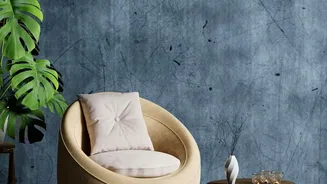
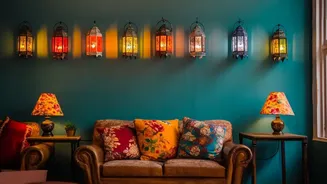
The fusion of these two styles begins with colour. Start with a minimalist base of soft, warm neutrals. An all-white theme can be hard to maintain in Indian conditions, so shades of beige, warm grey, or mushroom are practical and visually soothing. Against this calm backdrop, introduce accent colours drawn from the Indian design landscape. Think earthy tones like terracotta, burnt orange, mustard yellow, and deep indigo. The key is to use these vibrant colours intentionally rather than everywhere. A single statement wall, a bold piece of art, or colourful soft furnishings can provide a focal point without overwhelming the serene atmosphere.
Layering Textures for Depth and Warmth
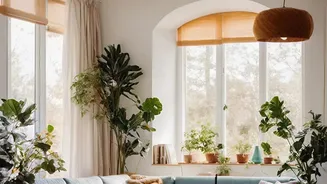
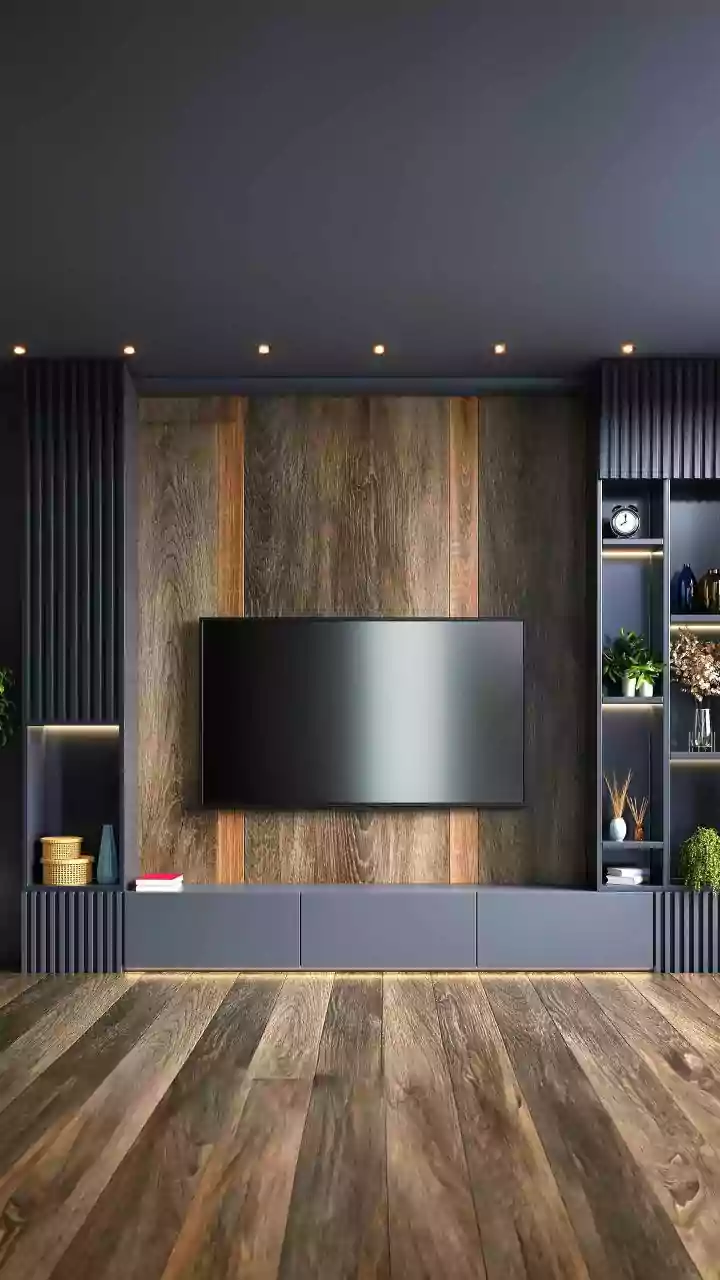
Texture is where this design blend truly comes alive. Warm minimalism relies on varied textures to create interest and prevent a space from feeling flat. This is a principle that Indian design has mastered over centuries. Combine the smooth, clean surfaces of minimalist furniture with the rich, tactile quality of handcrafted items. Place hand-block printed cotton cushions on a sleek, modern sofa. Lay a handwoven jute or wool dhurrie on a simple wood or stone floor. Use sheer, hand-spun cotton curtains to soften window lines. These layers of natural fabrics, from earthy khadi to embroidered kantha, add visual weight and a sense of lived-in comfort.
Furnishing with Balance and Intention
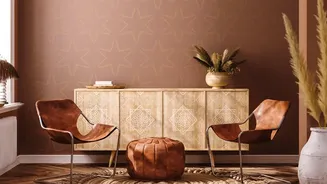
When it comes to furniture, the mantra is balance. Instead of heavy, elaborately carved traditional pieces, opt for streamlined wooden furniture with clean, contemporary lines. This establishes the minimalist foundation. Then, introduce one or two statement pieces of Indian origin. This could be a charpai-inspired bench at the foot of a bed, an antique wooden chest used as a coffee table, or a pair of accent chairs with cane weaving. You can also incorporate smaller elements, like a side table with brass inlay or a vintage mirror in a carved frame. This approach celebrates heritage without sacrificing the open, airy feel of a minimalist layout.
Accessorising with Soulful Stories
In a warm minimalist home, accessories are not clutter; they are curated storytellers. The rule is to choose fewer, more impactful items. Instead of a collection of small trinkets, select a few meaningful, handcrafted pieces that command attention. This could be a set of handmade terracotta urns in a corner, a single brass urli on a console table, or a large, framed piece of textile art like Kalamkari or Pichwai on a bare wall. Handcrafted lampshades made from bamboo or cane can create soft, diffused lighting that enhances the warm and inviting ambience. Each piece should be chosen for its beauty, craftsmanship, and the personal connection it holds.