
The Golden Rule: Harmony in Contrast
The secret to a memorable festive menu isn't just about delicious dishes; it's about how they complement each other. In Indian cuisine, the goal is to touch upon multiple flavour profiles—sweet, sour, salty, pungent, and bitter—within a single meal. A
successful feast avoids being one-note. If you have a rich, creamy curry, pairing it with something light and tangy helps cleanse the palate and keeps guests coming back for more. Think of it as a conversation between dishes. A heavy, fried snack is best followed by a lighter main course, while a spicy curry finds its perfect partner in a cooling raita or a sweet chutney. This principle of contrast applies to textures as well—crispy snacks with smooth curries, soft breads with hearty dals.
Northern Feasts: Richness and Warmth
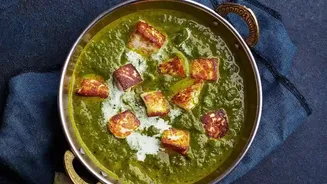
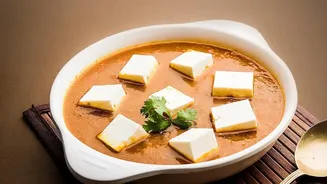
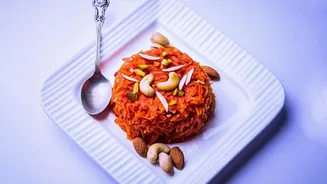
North Indian festive food is often characterised by its rich, robust flavours, extensive use of dairy, and masterful tandoori cooking. For a savoury start, consider paneer tikka or smoky kebabs, which are flavourful without being overly heavy. These pair wonderfully with main courses like a creamy Dal Makhani or a hearty Chole Bhature. The key is to balance these substantial dishes. If serving a rich gravy like Butter Chicken, consider a simple jeera rice over a heavy biryani. When it comes to sweets, the North offers decadent options like Gajar ka Halwa or syrupy Jalebi. Since these are quite rich, they serve as a perfect, indulgent end to a meal, rather than being served alongside the main savoury courses.
Southern Delights: Tangy, Spicy, and Light
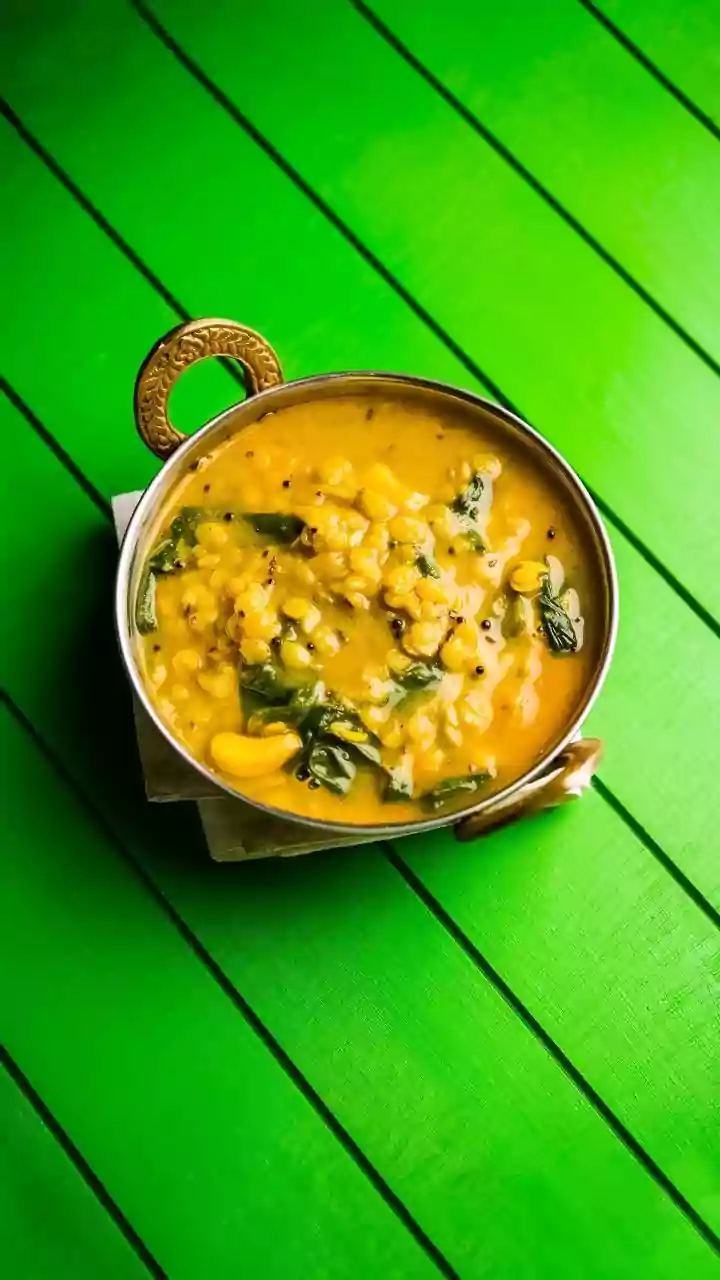
South Indian cuisine builds its flavour profile around rice, lentils, coconut, and tamarind, creating dishes that are often tangy and lighter than their northern counterparts. For a festive spread, you can start with crisp vadas or mini masala dosas. These savoury starters are often served with coconut chutney and a tangy sambar, awakening the palate. The main courses can feature a variety of rice-based dishes, like a tangy tamarind rice or a cooling curd rice, which beautifully balances spicier preparations like a Chettinad curry. For dessert, the South relies on jaggery and coconut in sweets like creamy Payasam or the iconic Mysore Pak. These sweets are often fragrant and less dense than many northern mithais, making them a gentle conclusion to the meal.
Eastern Traditions: The Sweet Beginning
In Bengal, sweets aren't just an afterthought; they are an integral part of the meal, sometimes even eaten at the beginning. A traditional Bengali feast is a masterclass in sequence and balance. The meal might start with something bitter, like Shukto, to prepare the digestive system, before moving on to classics like Luchi (puffed bread) with Cholar Dal or a rich Kosha Mangsho (slow-cooked mutton). Sweets, or 'mishti', like Sandesh and Rosogulla, are often made from chhena (fresh paneer) and are typically light and spongy. They can be served as a final course or even as a palate cleanser between different savoury dishes, a unique approach to structuring a feast.
Western Wonders: A Medley of Flavours
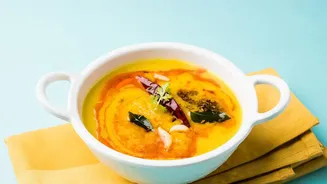
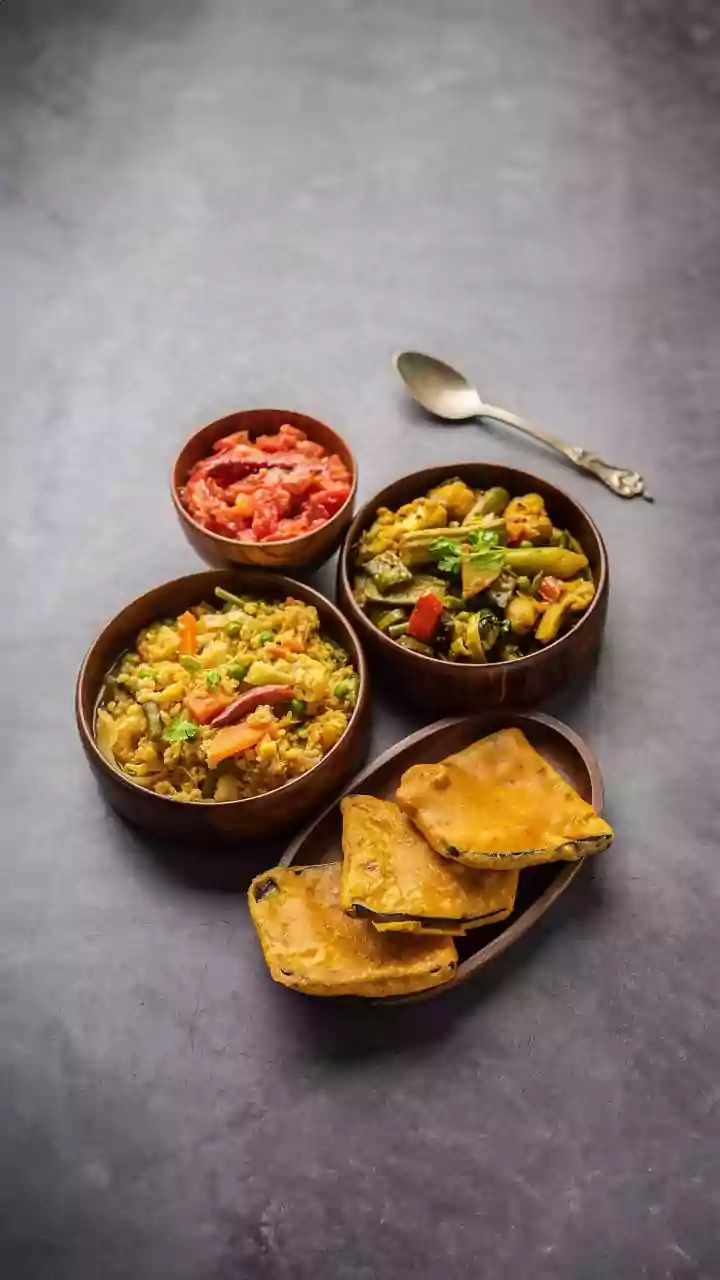
The cuisines of Gujarat and Maharashtra in Western India are known for their unique ability to blend sweet, savoury, and tangy notes within a single dish. Gujarati cuisine, in particular, often features a hint of sweetness in its savoury preparations, like the famous Gujarati Kadhi or Dal. A festive thali from this region is a perfect example of balance, featuring farsan (snacks) like fluffy Dhokla, a variety of vegetable dishes, and breads like Puran Poli—a flatbread stuffed with a sweet lentil filling that is served as part of the main meal, not just dessert. Maharashtrian food offers robust snacks like Kothimbir Vadi and spicy Missal Pav. Sweets like the layered Chirote or rich Basundi provide a classic end to the meal.