



Strong bones are the very framework of a healthy life, supporting you at every stage. The key to maintaining them is calcium, a mineral that acts as the primary building block for your skeleton. Here’s a look at why it’s so vital and where to find it.
The Foundation of Your Strength
Think of your bones as a calcium bank. Nearly 99% of your body's calcium is stored there, providing strength and structure. This mineral is essential for building bone density, especially during childhood and adolescence. Throughout your life, your body continuously withdraws and deposits calcium from your bones to support critical functions like muscle contraction, nerve signalling, and blood clotting. If your diet doesn't provide enough calcium, your body will take what it needs from your skeleton. Over time, this can lead to weaker, more fragile bones and increase the risk of osteoporosis, a condition that makes fractures more likely.
How Much Calcium Do You Need?
The Indian Council of Medical Research (ICMR) updated its recommendations in 2020, suggesting a daily intake of 1,000 mg of calcium for most adults. This requirement increases for postmenopausal women and older adults, who may need up to 1,200 mg per day as the body's ability to absorb calcium can decline with age. Unfortunately, studies show that the average calcium intake in India is significantly lower, often less than half of what is recommended. This widespread dietary gap makes it crucial to consciously include calcium-rich foods in your daily meals to protect your long-term bone health.
The Essential Partner: Vitamin D
Calcium doesn't work alone. To be effectively absorbed by your body, it needs vitamin D. Without enough vitamin D, you can only absorb about 10-15% of the calcium from your diet. This 'sunshine vitamin' is produced by your body when your skin is exposed to sunlight. However, despite ample sun in India, deficiency is surprisingly common. While some foods like fatty fish and fortified milk contain vitamin D, getting moderate and regular sun exposure is one of the most effective ways to ensure your body can make use of the calcium you consume.
Dairy: The Go-To Calcium Source
For many, dairy products are the most familiar and easily absorbed sources of calcium. A single glass of milk (around 250 ml) can provide about 300 mg of calcium. A bowl of curd (dahi) is another excellent option, offering around 120 mg per 100g. Paneer is a particularly dense source, with a 100g serving containing roughly 480 mg of calcium. Including a combination of these in your daily diet can significantly help you meet your calcium goals.
Plant-Powered Calcium Champions
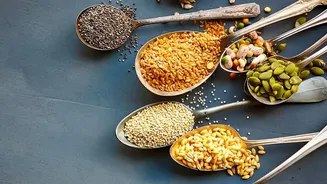
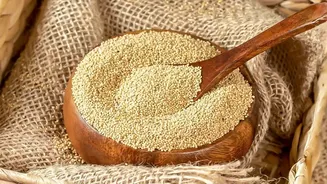
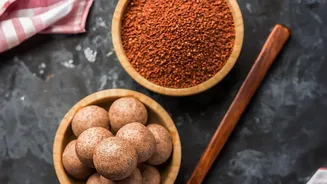
If you don't consume dairy, the Indian kitchen still offers plenty of powerful plant-based options. Ragi (finger millet) is a nutritional standout, providing about 344-364 mg of calcium per 100g, far more than other common cereals. Sesame seeds (til) are another powerhouse, though you eat them in smaller quantities. Leafy greens like amaranth leaves (chaulai) and drumstick leaves (moringa) are also excellent sources. Soybeans, chickpeas (chana), and almonds (badam) also make valuable contributions to your daily intake.
What Can Hinder Calcium Absorption?
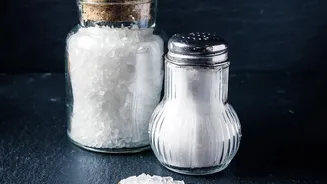
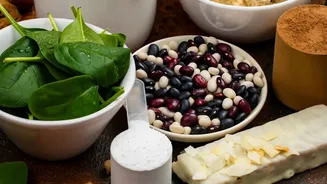
Just as some things help, others can hinder your body's ability to absorb calcium. Foods high in oxalates, such as spinach and beet greens, can bind to calcium and make it less available to your body. This doesn't mean you should avoid these healthy vegetables, but rather that they shouldn't be your primary source of calcium. Similarly, phytates found in beans and wheat bran can also interfere with absorption. Soaking beans before cooking can help reduce their phytate levels. Excessive intake of salt and caffeine may also contribute to calcium loss and should be consumed in moderation.