



The Protein Digestion Process
Protein is a complex nutrient that requires a significant amount of work from your digestive system. The process begins in the stomach, where hydrochloric acid and an enzyme called pepsin start to unravel and break down large protein molecules into smaller
chains. This is a much more involved and time-consuming process compared to the digestion of simple carbohydrates. A heavy protein meal signals your stomach to hold onto its contents for longer, which is why you often feel fuller for an extended period after eating steak or a large chicken breast. From the stomach, these partially digested proteins move into the small intestine, where a host of other enzymes from the pancreas and intestinal lining finish the job, breaking them down into individual amino acids that can be absorbed into the bloodstream.
How Driving Disrupts Digestion
The human digestive system is designed for a body in motion. Physical activity stimulates peristalsis, the rhythmic muscular contractions that move food through your gut. When you sit for a prolonged period, like during a long car ride, this process naturally slows down. The seated, often slightly hunched, posture of driving physically compresses your abdominal organs, including your stomach and intestines. This compression can restrict blood flow to the digestive tract and slow motility even further. When you combine this sedentary, compressive state with a stomach full of slow-digesting protein, you create a recipe for digestive gridlock. The food sits longer than it should, leading to a variety of uncomfortable symptoms.
Common Signs of Discomfort
When digestion is slowed and your abdomen is compressed, you're likely to experience noticeable discomfort. The most common symptoms include bloating, a feeling of excessive fullness, and trapped gas. As the undigested food ferments in your gut, it can produce excess gas, leading to uncomfortable pressure and even cramping. Some people may also experience acid reflux or heartburn, as the increased pressure in the abdomen can push stomach acid back up into the esophagus. In other cases, this digestive slowdown can contribute to constipation, nausea, or a general feeling of sluggishness—none of which are ideal when you need to be alert and comfortable behind the wheel.
Smarter Pre-Drive Meal Choices
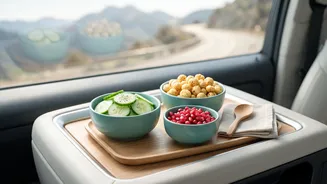
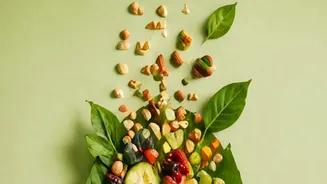
This doesn't mean you should drive on an empty stomach. The key is to choose foods that provide sustained energy without overwhelming your digestive system. Instead of a large, protein-heavy meal, opt for a balanced meal an hour or two before you leave. Good options include a sandwich on whole-wheat bread, a wrap with a moderate amount of lean protein like turkey or hummus, or a bagel with eggs. These meals combine protein with carbohydrates for energy and are generally easier to digest. For the drive itself, focus on light, easy-to-handle snacks. Hardboiled eggs, cheese sticks, trail mix, fruit, and veggie sticks are great choices that provide nutrients without causing a digestive traffic jam. Staying hydrated with water is also crucial for keeping everything moving smoothly.