





The Playground Paradox
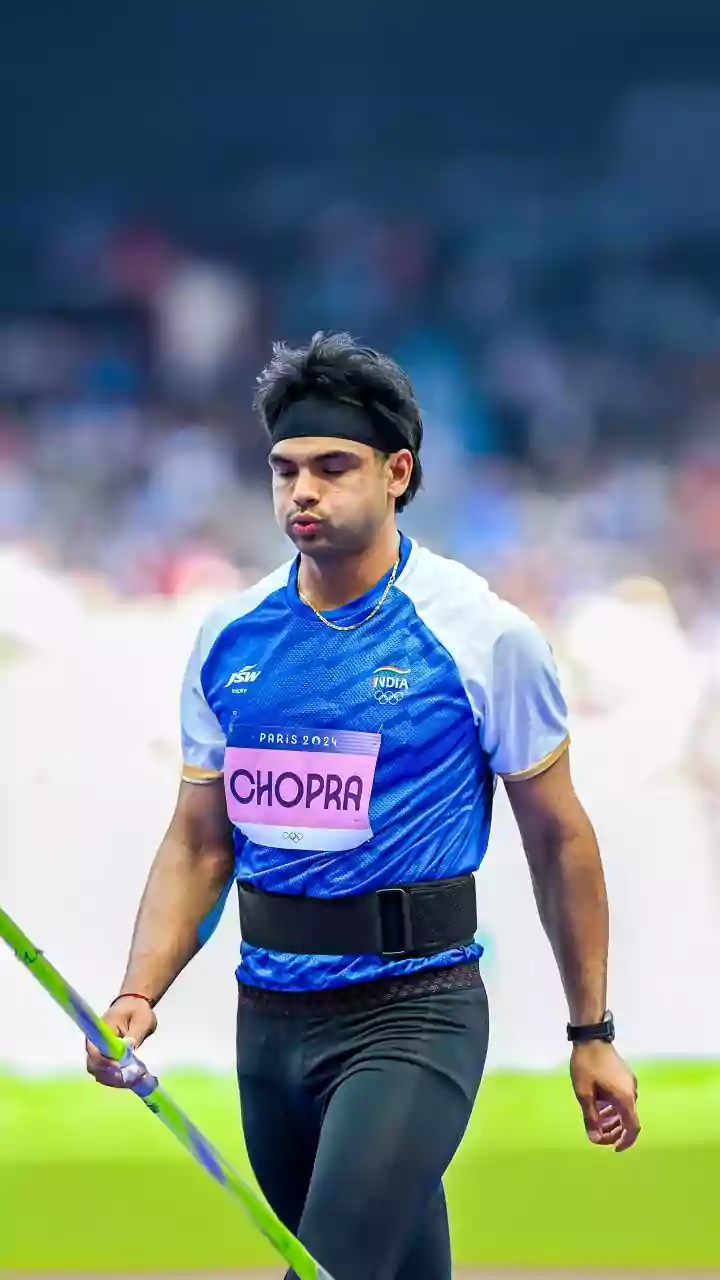
India's ambition to become a global sporting powerhouse is clear. Victories in international arenas bring immense national pride. Yet, a paradox lies at the heart of this ambition. While we celebrate elite athletes, a vast majority of Indians, especially
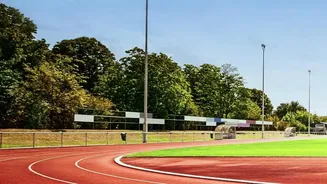
children, lack access to the most basic requirement for a sporting life: a safe, accessible, and well-equipped place to play. Rapid urbanisation has turned many open spaces into concrete jungles, leaving little room for recreational sport. Studies show that a significant urban-rural divide exists, with most high-quality facilities concentrated in cities, yet even there, they are often out of reach for the average citizen. This isn't just about creating future champions; it's about public health, community building, and fostering a culture of fitness. The low overall sports participation rates in India are a direct reflection of this infrastructural gap at the grassroots level.
More Than Just Grass and Goalposts
A neighbourhood sports facility is far more than a patch of land. It is a vital community hub that delivers immense social returns. For children, it's where they learn teamwork, resilience, and discipline. It offers a constructive outlet for their energy, promoting physical and mental well-being. For communities, these spaces foster social cohesion, bringing together people from diverse backgrounds with a shared interest. Community-based sports are affordable and convenient, making them the perfect environment to connect with others. They are particularly crucial for encouraging participation among girls and women, who may face greater societal barriers to accessing larger, more distant stadiums. By embedding sports infrastructure within local communities, we make physical activity a natural and regular part of life, tackling issues like sedentary lifestyles and rising non-communicable diseases.
Bridging the Gap with National Initiatives
The government has recognised this need, with initiatives like the Khelo India scheme aiming to revive sports culture from the ground up. A central pillar of this program is the creation and upgradation of sports infrastructure. As of mid-2026, hundreds of projects have been sanctioned, with a significant financial outlay dedicated to building a seamless pathway from local talent identification to international excellence. The establishment of over a thousand Khelo India Centres is a testament to this effort, providing grassroots training facilities and professional support closer to athletes' homes. These centres aim to democratise access to quality coaching and equipment, ensuring that a child's potential is not limited by their geographic location. The scheme's focus is not just on elite performance but on broad-basing sports and promoting fitness as a way of life for millions of school children.
The Hurdles of Maintenance and Management
However, building facilities is only half the battle. The real challenge lies in their long-term sustainability. Across India, there are numerous examples of sports facilities that have fallen into disrepair due to poor planning, lack of maintenance funds, and inefficient management. Without a clear lifecycle plan that accounts for ongoing costs, even the best-intentioned projects can fail. Urban planning bodies must integrate sports facilities into their master plans, treating them as essential public infrastructure like roads and utilities, rather than as an afterthought. This requires a shift in mindset, where the focus moves from the initial construction cost to the long-term value and usability of the asset. Involving local communities, sports clubs, and private entities in the management of these facilities can also create a sense of ownership and ensure they remain vibrant and well-utilised.
The Blueprint for a Sporting Nation
Creating a truly sports-friendly India requires a multi-pronged approach. First, urban planning policies must mandate the inclusion of accessible public spaces for recreation and sport in all new developments. Second, existing initiatives like Khelo India must continue their focus on decentralised, neighbourhood-level facilities alongside centres of excellence. Third, a robust framework for the maintenance and community-led management of these assets is essential to ensure their longevity and effectiveness. Finally, integrating sports more deeply into the school curriculum, using these local facilities, will ensure that every child has the opportunity to play, learn, and grow. It's about moving beyond event-based enthusiasm and building a system where sport is an everyday reality for all.