
What the New Report Highlights
The 2026 State of Food Security and Nutrition in the World (SOFI) report, a joint effort by several UN agencies, emphasizes a concerning global trend: a lack of dietary diversity. While global hunger has seen a slight decline, progress on nutrition remains
slow, and diet quality is a major issue worldwide. The report introduces new ways to monitor diet quality, focusing on 'dietary diversity' for women and children as a key indicator of health. The findings are stark: globally, more than two-thirds of young children and over a third of women of reproductive age do not consume a sufficiently diverse diet, putting them at risk of nutrient deficiencies. For India, while progress has been made in reducing stunting, poor quality diets remain a huge challenge.
Why a Varied Diet Is So Important
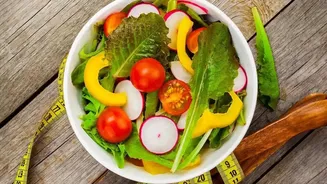
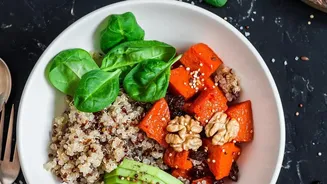
Eating the same few foods every day, even if they are healthy, can lead to nutritional gaps. Different foods have vastly different nutrient profiles. For example, while oranges are packed with Vitamin C, they lack the Vitamin E found in almonds. A diverse diet ensures you get a broad spectrum of essential micronutrients (vitamins and minerals) and macronutrients (proteins, fats, carbohydrates) that your body needs to function optimally. Experts point to numerous benefits, including better heart health, weight management, and a stronger gut microbiome. A varied intake of plant-based foods is particularly beneficial for nourishing the diverse community of microbes in your gut, which plays a crucial role in overall health.
How Diverse Is Your Thali?
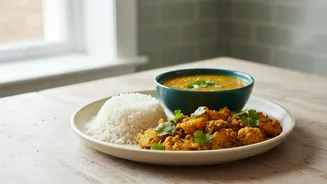
Take a moment to think about your meals over the last week. How many different types of vegetables did you eat? Did you include various dals or just stick to one? Did millets like jowar, bajra, or ragi make an appearance alongside wheat and rice? An Indian thali is traditionally a great example of dietary diversity, featuring small portions of many different items. However, modern, busy lifestyles can often lead us into a routine of eating a limited rotation of meals. The goal is not just to eat from all food groups but to eat a variety of items within each group. This ensures a wider range of fibre, vitamins, and minerals that support everything from your immune system to your energy levels.
Simple Swaps to Boost Variety
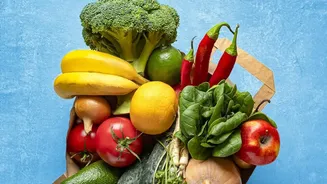
Increasing your dietary diversity doesn't require a complete overhaul of your kitchen. Small, consistent changes can make a big difference. Start by aiming to try one new vegetable or fruit each week from the local market. Instead of only using toor dal, try incorporating moong, masoor, or chana dal into your weekly menu. Challenge yourself to cook with a different millet once a week—use bajra for bhakri, ragi for dosa, or foxtail millet as a replacement for rice. When making sabzi, try adding a mix of vegetables instead of just one. Snacking on a mix of nuts and seeds instead of packaged foods is another easy win. These simple swaps not only boost your nutrient intake but also prevent mealtime boredom.
Rediscovering India's Food Heritage
India is blessed with an incredible agrobiodiversity, with countless local and seasonal vegetables, grains, and legumes that are often overlooked in urban diets. Exploring these traditional foods is a fantastic way to enhance dietary diversity. Look for local greens beyond spinach, like amaranth (chaulai) or moringa leaves. Experiment with different varieties of gourds, beans, and root vegetables that are specific to your region. The UN report itself calls for policy shifts that support the production of diverse, nutrient-dense foods over just a few staple crops. As consumers, our choices can help create demand for these forgotten foods, enriching our plates and supporting more resilient food systems.