




The Cool, Dark Pantry
Your pantry, or any cool, dark cupboard, is the ideal home for a surprising number of items. This environment protects food from heat, light, and moisture, which are the primary culprits behind spoilage and flavour loss. Unopened sauces, including ketchup,
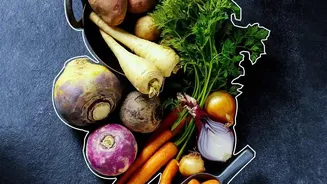
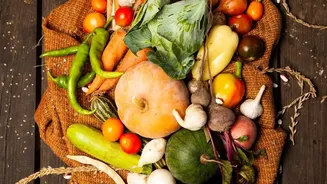
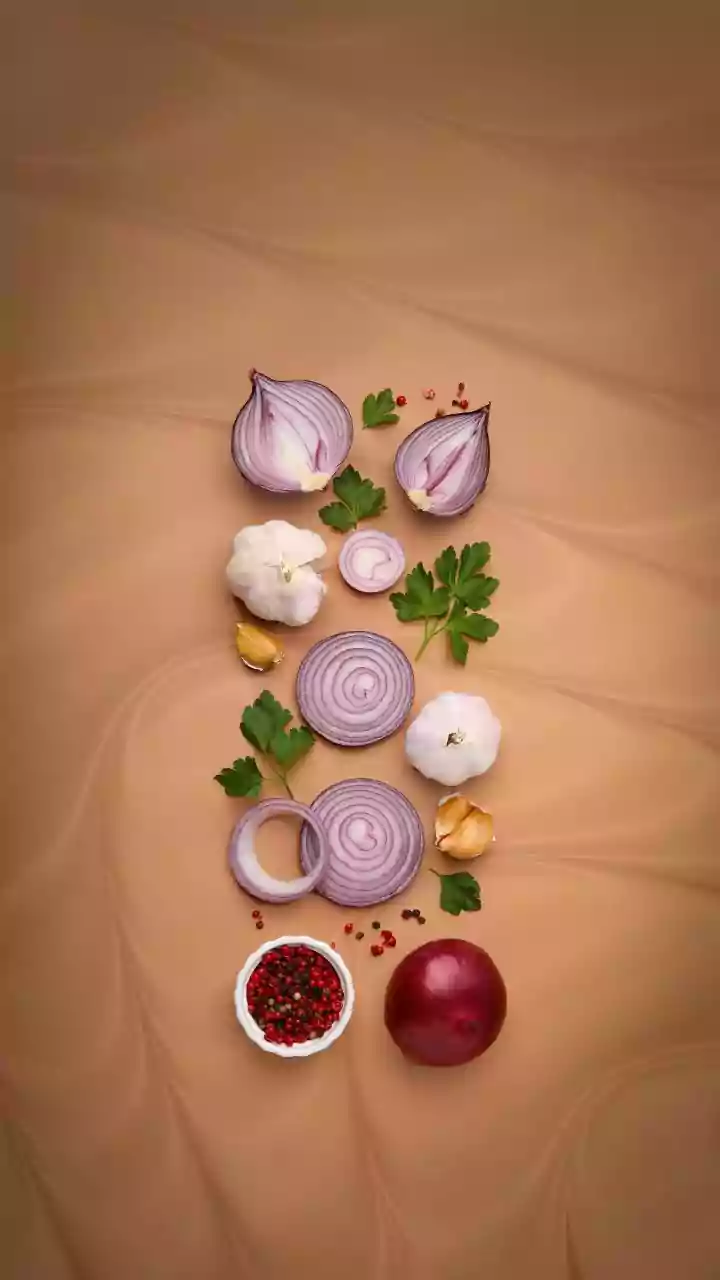
soy sauce, and mustard, are perfectly safe here until their seal is broken. The real stars of the pantry, however, are your dry goods. Grains like rice, wheat, and millets, as well as all types of dals and pulses, thrive in these conditions. To protect them from pests and moisture, especially in humid climates, it is crucial to store them in airtight containers. Glass jars or food-grade plastic bins are excellent choices. This space is also perfect for certain vegetables. Potatoes and onions should be kept in a cool, dark, and dry place to prevent them from sprouting. However, be sure to store them separately, as onions release gases that can cause potatoes to spoil faster. Garlic, winter squashes like pumpkin, and sweet potatoes also belong in the pantry, not the refrigerator.
The Refrigerator's Crucial Role
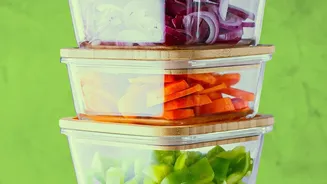
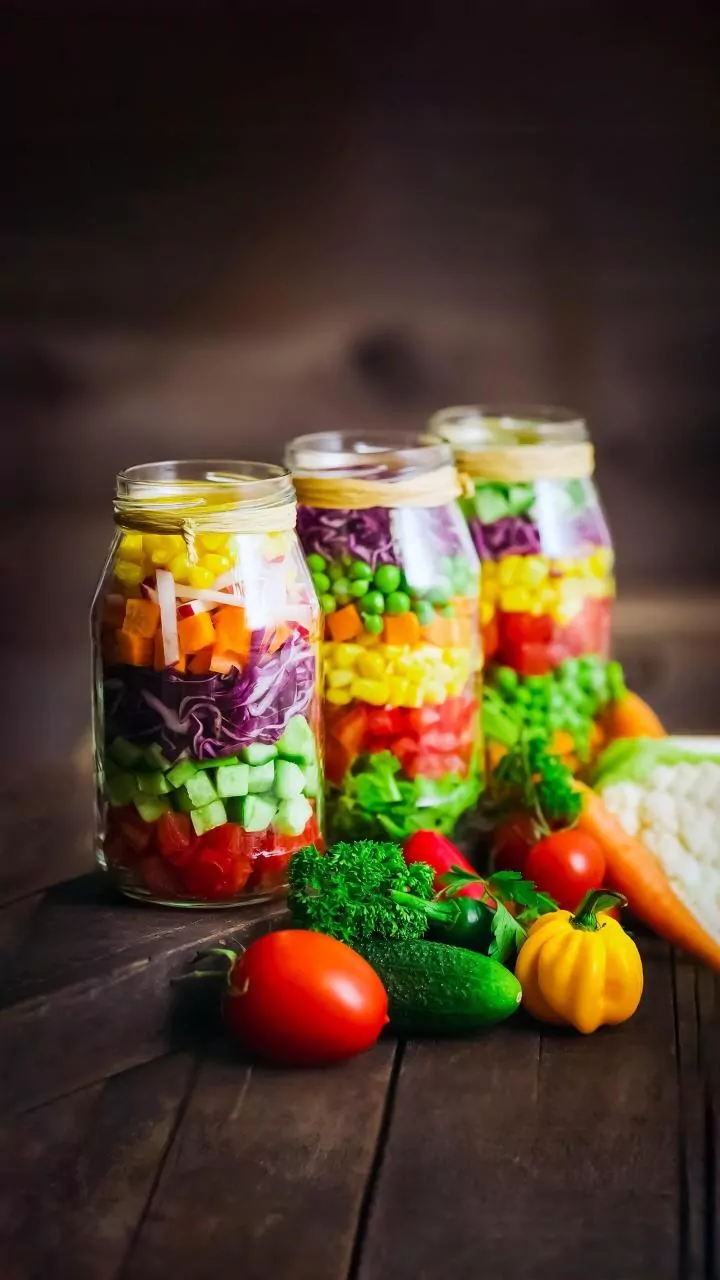
While some foods suffer in the cold, the refrigerator is essential for extending the life of many others. The rule for sauces is simple: once opened, most belong in the fridge. This applies to ketchup, mayonnaise, chilli sauce, and even soy sauce, which retains its best flavour for about a month in the cold. Dairy-based or homemade sauces with fresh ingredients like garlic and herbs must always be refrigerated to prevent bacterial growth. Your refrigerator's crisper drawers are designed to maintain humidity, making them perfect for leafy greens. To make them last even longer, you can wash and thoroughly dry greens like spinach and coriander, then store them in a container lined with a paper towel to absorb excess moisture. Many other vegetables, such as carrots, broccoli, cauliflower, and green beans, also benefit from being stored in the fridge. To keep cut vegetables like carrots and celery crisp, you can store them in a container of water.
Leave These on the Countertop
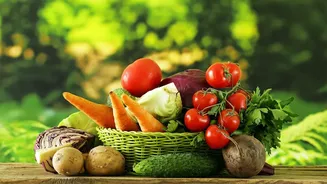
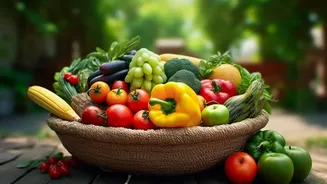
Some fruits and vegetables are best left at room temperature, away from direct sunlight. The most common mistake is refrigerating tomatoes. The cold temperature permanently damages their texture and mutes their flavour; they should always be stored on the counter. Similarly, cucumbers can become watery and soft in the fridge and should be kept at room temperature if you plan to use them within a few days. Whole melons and bananas should also stay on the counter. Bananas will ripen too quickly next to other fruits, so it's best to keep them separate. Many fruits, such as peaches, plums, and avocados, need to ripen at room temperature to develop their full sweetness and flavour. Once they are ripe, you can move them to the refrigerator to slow down further ripening if you're not ready to eat them. Fresh herbs like basil are also better off on the counter, with their stems in a small jar of water, much like a bouquet of flowers.
Mastering Grains and Flours
For grains and pulses, the primary goal is to keep them dry and free from pests. Airtight containers are non-negotiable. Whole grains, like wheat berries or brown rice, have a longer shelf life than their milled counterparts because the protective outer layer is intact. They can last up to six months in the pantry and even longer in the freezer. Whole grain flours, on the other hand, spoil faster because the oils are exposed to air. Store flours like whole wheat atta or besan in airtight containers in a cool spot and plan to use them within one to three months. For an extra layer of protection against insects, especially if you buy in bulk, you can freeze new bags of grains or flour for at least 48 hours to kill any potential eggs before transferring them to your pantry containers.