



A Return to Our Roots
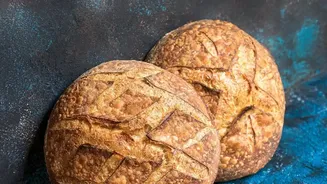
For years, the Indian bread basket was dominated by soft, white loaves. But today, a quiet but powerful shift is taking place. Artisanal bakeries, once a niche market, are now mainstream, and they are championing local ingredients. The latest and perhaps
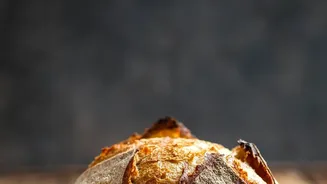
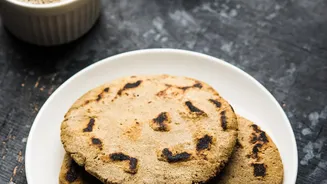
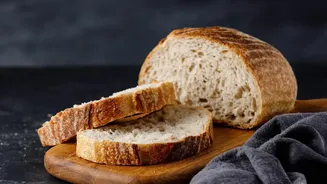
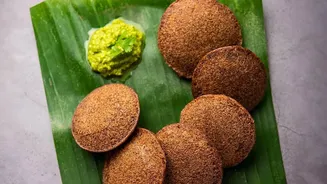
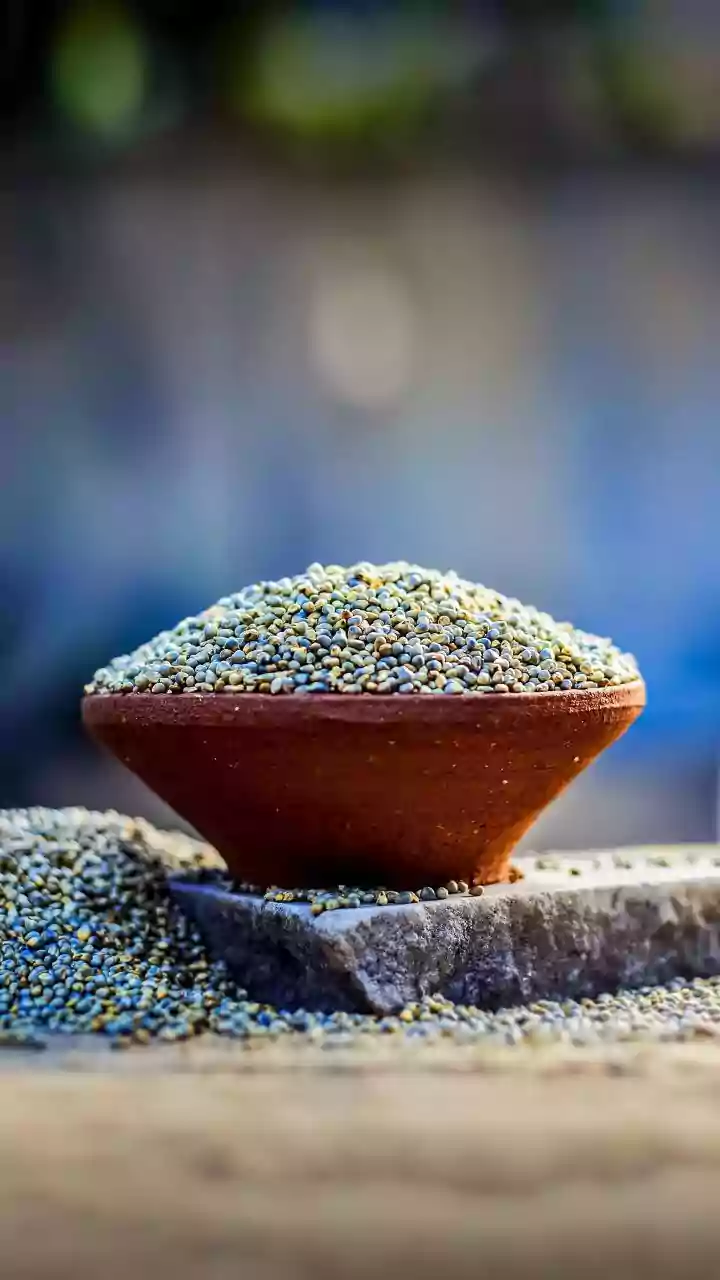
most exciting innovation is the fusion of ancient Indian millets with the tangy complexity of sourdough. Bakers are looking beyond wheat, rediscovering the potential of grains like ragi (finger millet), jowar (sorghum), and bajra (pearl millet) to create everything from rustic loaves to decadent cookies. This trend isn't just about novelty; it's a response to a growing consumer demand for healthier, more nutritious, and locally-sourced food options that don’t compromise on flavour.
The Nutritional Power of Millets
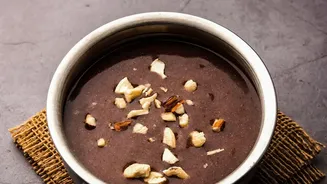
So, why the sudden love for millets? These hardy grains, long a staple in traditional Indian diets, are nutritional powerhouses. Millets are naturally rich in dietary fibre, protein, and essential minerals like iron and magnesium. Unlike refined wheat flour (maida), millets have a lower glycaemic index, which helps in managing blood sugar levels and provides sustained energy. Jowar, for instance, is packed with antioxidants and can help you feel full for longer, aiding in weight management. Ragi is another star, known for its high calcium content. By incorporating these flours into baked goods, bakeries are transforming treats that were once considered indulgences into genuinely wholesome options.
The Baker's Creative Challenge
Baking with millets, especially in sourdough, is both an art and a science. The primary challenge is that millet flours are gluten-free. Gluten is the protein that gives wheat-based dough its elasticity and structure, allowing it to trap air and rise into a light, airy loaf. Without it, baked goods can become dense and crumbly. To overcome this, bakers use clever techniques. Many create a blend, combining millet flour with whole wheat or bread flour to retain some structure while adding nutritional benefits. For purely gluten-free versions, bakers rely on natural binders like psyllium husk, which forms a gel when mixed with water and mimics gluten’s binding properties, resulting in a soft, moist crumb. These methods require extensive experimentation to perfect the texture, flavour, and rise.
From Sourdough Loaves to Jowar Cookies
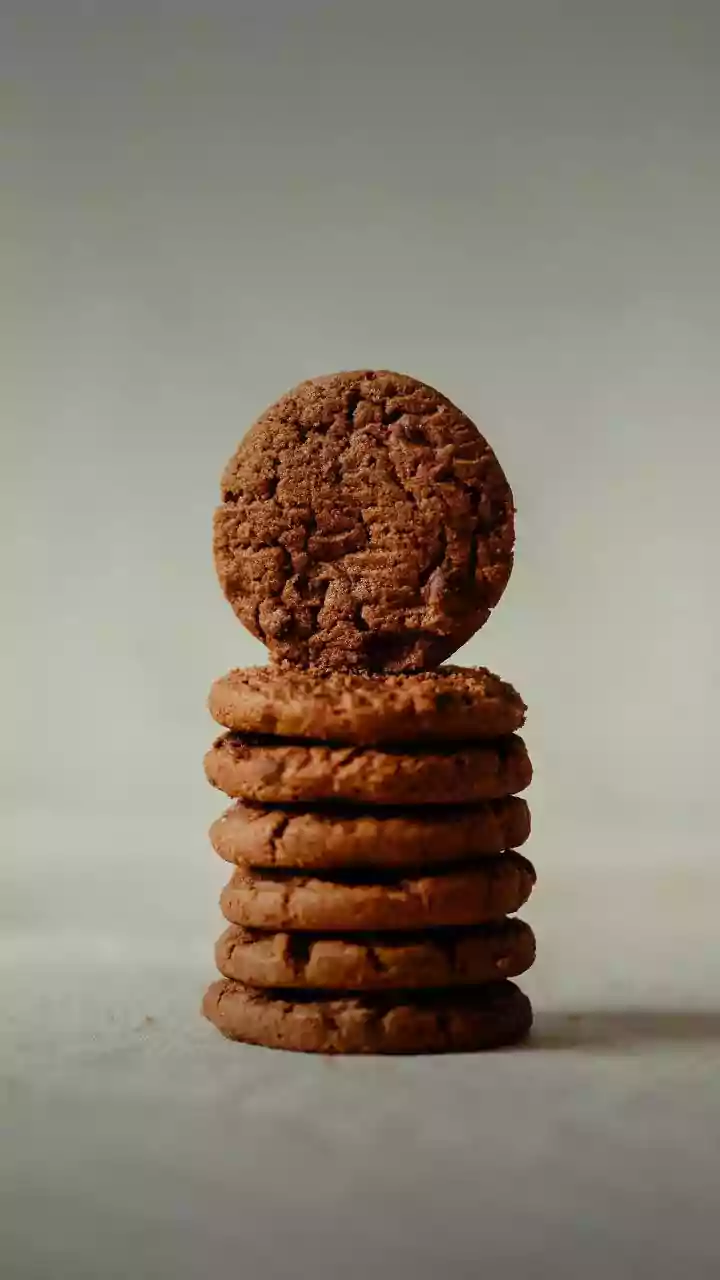
The innovation isn't limited to bread. Across cities like Bengaluru and Chennai, bakeries are expanding their menus with a diverse range of millet-based products. Bengaluru's Loafer & Co, for example, has been a pioneer, offering millet loaves and focaccia alongside their popular sourdoughs. The trend extends to sweets as well. Health-conscious consumers can now find jowar chocolate chip cookies and ragi cakes that offer a nutty, earthy flavour and a wealth of nutrients. These cookies are often lower in calories and higher in fibre than their maida-based counterparts. Some bakeries are even getting creative with savoury items like paneer makhni babkas, showcasing the incredible versatility of these ancient grains.