




Why Your New Vehicle is More Expensive
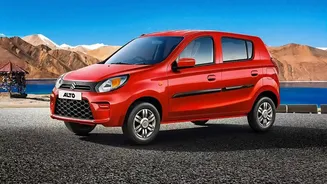
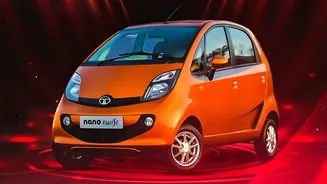
Heading into the 2026 festive season, major automakers have already announced price hikes. In August, Maruti Suzuki increased prices by up to ₹30,000, its second hike in two months. Just before September, Hyundai announced a hike of up to 1%, its third
of the year, while Tata Motors will increase prices by up to ₹25,000. These companies are not acting alone; it's an industry-wide trend. The primary reason is a sharp increase in input costs. The prices of essential raw materials like steel, aluminium, rubber, and precious metals such as rhodium and platinum have surged due to geopolitical uncertainty and inflationary pressures. Carmakers have stated that while they are trying to absorb a portion of these rising costs, they have been forced to pass some of the burden onto customers.
What to Expect This Festive Season
Traditionally, the festive period from Navratri to Diwali is when carmakers roll out their most attractive discounts to boost sales. However, with profit margins already under pressure from high commodity costs, the discounts in 2026 might be less generous than in previous years. While August has seen some significant discounts, especially on electric vehicles and specific models to clear stock, the fresh price hikes taking effect in September suggest manufacturers are trying to balance sales targets with profitability. Buyers may find that while headline-grabbing offers exist, they could be limited to specific variants, older model-year vehicles, or may come in the form of exchange bonuses and corporate offers rather than direct cash discounts.
Recalibrating Your Four-Wheeler Budget
With higher prices, re-evaluating your budget is more critical than ever. Financial advisors often recommend the 20/4/10 rule for car purchases: make a down payment of at least 20%, take a loan with a maximum tenure of four years, and ensure your Equated Monthly Instalment (EMI) does not exceed 10% of your monthly income. For example, on an annual income of ₹12 lakh, the on-road price of the car should ideally not exceed ₹6 lakh. Sticking to a shorter loan tenure, even if it means a higher EMI, saves a significant amount in interest over the long run. It's also crucial to budget for the on-road price—which includes registration, insurance, and taxes—not just the ex-showroom price, as this can be 15-20% higher.
The Two-Wheeler Market Feels the Pinch
It's not just cars; the two-wheeler segment is also navigating cost pressures. While the market has seen robust sales growth in 2026, with a nearly 19% increase year-on-year as of July, manufacturers face the same challenges of rising raw material costs. Major brands like Hero, Honda, and TVS have posted strong sales figures, indicating healthy demand in the commuter segment. However, like carmakers, they are performing a balancing act between absorbing costs and implementing price adjustments. For buyers, this means that the price of popular motorcycles and scooters may continue to creep upwards, making disciplined budgeting just as important for two-wheeler purchases this festive season.
Smart Buying Strategies for a Tough Market
A higher price tag doesn't mean your purchase is impossible, but it does require a smarter approach. First, expand your search beyond the top-end variants, as lower-tier models often provide the necessary features without the premium cost. Consider nearly new or certified pre-owned vehicles, which can offer significant value. When negotiating, focus on the total on-road price, not just the ex-showroom figure. Push for discounts on insurance and accessories, which often have higher dealer margins. Finally, compare loan offers from at least three different lenders instead of accepting the first one offered by the dealership. A small difference in interest rates can lead to substantial savings over the life of the loan.