






Why You Shouldn't Skip the Walk
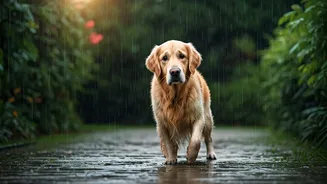
It’s tempting to cancel walks when the sky opens up, but for a dog, daily outings are about more than just toilet breaks. They provide crucial physical exercise and mental stimulation. Skipping walks can lead to boredom, destructive behaviours, and even
health issues like constipation. The key isn't to avoid the rain, but to adapt. Shorter, more frequent walks can be a good compromise, ensuring your dog gets the activity it needs without prolonged exposure to the elements. This is especially important as a bored dog is more likely to get into trouble indoors.
Gearing Up for a Wet Walk
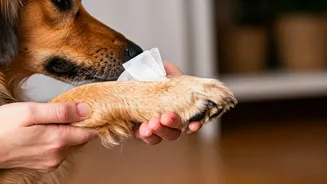
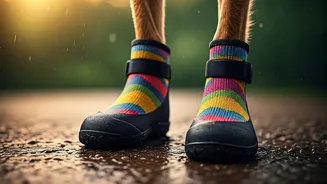
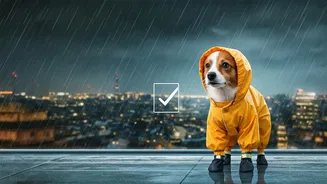
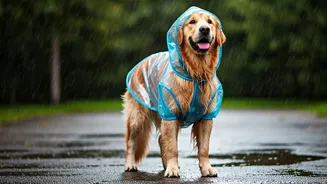
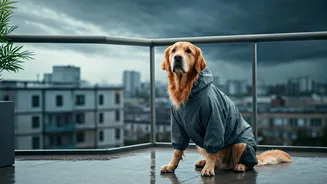
The right gear is your first line of defence against the monsoon muck. A lightweight, waterproof raincoat can keep your dog’s core dry and significantly reduce post-walk clean-up time. For visibility during grey, overcast days or early morning walks, consider a coat with reflective strips. Paw protection is also vital. Dog booties can shield paws from dirty water and hidden sharp objects on the street. If your dog won't tolerate boots, cleaning their paws thoroughly after every walk is non-negotiable to prevent infections. A sturdy, non-slip leash completes your rain-safe toolkit.
Navigating Puddles and Pavements
Those enticing puddles are best avoided. Stagnant water can be a breeding ground for dangerous bacteria and parasites, such as Leptospirosis and Giardia, which can cause severe illness if ingested. These pathogens are often transmitted through rodent urine and can lead to kidney and liver damage. Always steer your dog around waterlogged areas. Similarly, provide fresh, clean drinking water at home; some vets even suggest boiling water during the monsoon to be extra safe, as pets may be more susceptible to water-borne diseases. Keeping your pet's vaccinations up to date, especially for Leptospirosis, is a crucial preventive measure.
The All-Important Drying Ritual
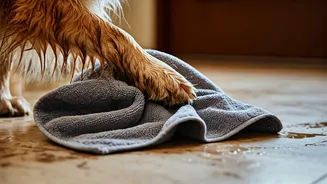
Drying your dog properly is arguably the most critical step in monsoon pet care. A damp coat is the number one cause of the fungal and bacterial skin infections, often called 'hot spots' or acute moist dermatitis, that vets see during this season. These painful, itchy, and inflamed patches of skin thrive in warm, moist conditions. As soon as you get home, have a designated drying station. Use a highly absorbent microfibre towel to dry your dog thoroughly. Don’t just skim the surface; get down to the skin, paying special attention to the belly, paws, armpits, and ears, where moisture loves to hide. For dogs with thick or double coats, a pet-specific hairdryer on a low-heat setting can be a lifesaver.
Paw, Ear, and Coat Health
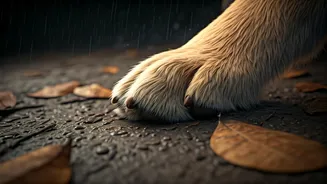
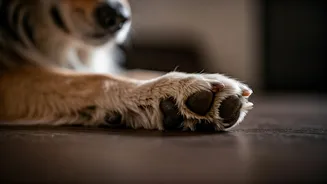
Once your dog is dry, a final check is in order. Inspect their paws carefully, cleaning between the pads to remove any grit or mud. Trimming the hair between the paw pads can also help prevent mud from clinging. Ears are another high-risk area, as trapped moisture can quickly lead to painful yeast or bacterial infections, especially in floppy-eared breeds. Gently wipe their ears with a soft, dry cloth after every wet walk. Regular brushing is also essential during the monsoon. It helps remove dirt, prevent matting in a damp coat, and allows you to spot any skin issues early. Due to the high humidity, it's also peak season for ticks and fleas, so ensure your pet's parasite prevention is up to date.