





Why Fibre First?
Before we dive into the 'what', let's understand the 'why'. Dietary fibre is a type of carbohydrate that the body can't digest. It comes in two forms: soluble and insoluble. Soluble fibre, found in dals, beans, and some fruits, dissolves in water to form a gel-like
substance that helps lower cholesterol and regulate blood sugar. Insoluble fibre, present in whole grains and vegetables, adds bulk to stool and aids in smooth digestion, preventing constipation. Experts recommend that adults consume between 25 to 38 grams of fibre daily, a target many urban Indians currently miss due to a reliance on refined grains. A fibre-rich diet is linked to better weight management, improved heart health, and a healthier gut.
The Mighty Millets
Millets like jowar (sorghum), bajra (pearl millet), and ragi (finger millet) are ancient grains making a powerful comeback. Naturally gluten-free and packed with insoluble fibre, they are fantastic alternatives to refined white rice and wheat. Swapping your regular atta for a mix containing jowar or bajra can significantly boost your roti's fibre content. Ragi is excellent for making dosas, uttapams, or a hearty porridge. These grains help keep you feeling full for longer, aid in blood sugar control, and are a cornerstone of traditional, fibre-sufficient diets across India.
The Power of Pulses
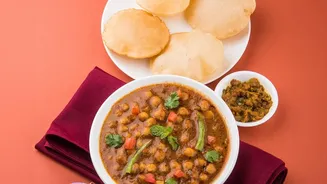
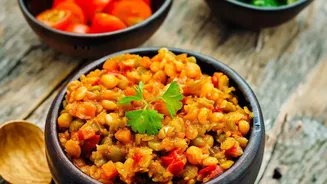
The humble dal is a hero of the Indian diet for a reason. Lentils like moong, masoor (red lentil), and toor (pigeon pea) are rich in soluble fibre, which plays a key role in managing blood cholesterol and sugar levels. Moong dal, in particular, is celebrated for being light on the stomach yet nutritionally dense. Using whole or split moong dal (with skin) increases its fibre content. Beyond the daily dal, other legumes like chickpeas (chana) and kidney beans (rajma) are fibre powerhouses. Incorporating a bowl of dal, chana masala, or rajma into your main meals is one of the easiest and most delicious ways to meet your fibre goals.
Whole Grains Over Refined
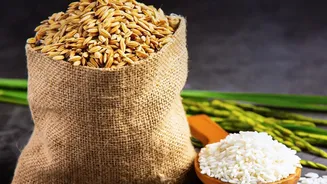
The single biggest step towards a higher-fibre diet is choosing whole grains. This means opting for brown rice over white rice and whole wheat (atta) over maida (refined flour). While white rice has its place, brown rice retains its bran layer, which is where most of the insoluble fibre is. This simple switch adds bulk to your meals and supports better digestion. Likewise, ensuring your daily rotis, parathas, and breads are made from 100% whole wheat flour preserves the natural fibre that is stripped away during the refining process for maida.
Don't Forget Fruits and Vegetables
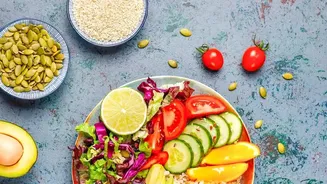
While grains and pulses are staples, vegetables and fruits are indispensable sources of fibre. Vegetables like bhindi (okra), green peas, beans, carrots, and leafy greens like spinach and methi are loaded with both soluble and insoluble fibre. Okra, for instance, contains a specific type of soluble fibre called mucilage that is great for gut health. Fruits like guava (one of the highest-fibre fruits), apples (with skin), bananas, and papayas are excellent choices for snacks. A simple rule is to fill half your plate with vegetables at every meal, ensuring you get a colourful variety for a wide range of nutrients.
Sneak in Seeds and Spices
Finally, don't underestimate the small stuff. A sprinkle of flaxseeds, chia seeds, or sesame seeds over your oatmeal, yogurt, or salad can add a surprising fibre boost. Just one tablespoon of chia seeds contains a significant amount of soluble fibre. Even the spices used in everyday cooking contribute to your total intake. While not a primary source, they add up. The key is to think of fibre not as a single ingredient but as a component of your entire meal, built from a diverse range of plant-based foods.