





What Really Happens When We Overeat?
When you indulge in a large, rich meal, your digestive system goes into overdrive. The stomach stretches to accommodate the volume, which can cause physical discomfort. Heavy foods, particularly those high in fat and sugar, slow down digestion, leading
to bloating and sluggishness. This overconsumption can also disrupt your metabolic balance, gut bacteria, and even hormonal signals that tell your brain when you're full. The result is often heartburn, gas, and a general feeling of lethargy. While it feels unpleasant, this is a normal biological response to an unusually large intake of food. It's your body working hard to process everything, not a sign that it's filled with 'toxins' that need to be flushed out.
The Myth of the 'Detox'
The wellness industry heavily promotes 'detox' teas, juice cleanses, and supplements as a quick fix. However, the concept that you need to actively 'cleanse' your body is a myth. Your body already has a highly efficient, built-in detoxification system: your liver and kidneys. The liver is a powerhouse, converting potential toxins into waste products, while the kidneys filter your blood, removing this waste and excess substances through urine. These organs work around the clock, no special juice required. In fact, there is no compelling scientific research to support the use of detox diets for eliminating toxins. What people often experience as 'detoxing' is simply the effect of consuming very few calories or the diuretic and laxative effects of certain ingredients.
Why Extreme Plans Often Backfire
Far from being a healthy reset, extreme detox plans can be counterproductive and even harmful. Severe calorie restriction, often a feature of juice cleanses, can lead to fatigue, muscle breakdown, and nutrient deficiencies. For instance, the liver actually requires amino acids from protein to perform its detoxification processes effectively—something a juice-only diet fails to provide. Many detox teas contain laxatives like senna, which can cause cramping, bloating, and dehydration if overused. Furthermore, these supplements are often not regulated, meaning they could contain ingredients not listed on the label. The rapid weight loss from such plans is mostly water and stored glycogen, which comes right back once you return to a normal diet.
Gentle Ways to Actually Support Your Body
Instead of punishment, your body needs gentle support after a period of indulgence. The best approach is to get back to basics. Start by rehydrating with plenty of water, which aids digestion and can help reduce bloating from high-salt festive foods. Incorporate gentle movement, like a walk. This stimulates digestion, unlike a heavy workout which can divert blood flow away from your gut. Don't lie down right after eating, as this can worsen acid reflux. Prioritizing sleep is also crucial, as this is when your body does much of its repair work. Being kind to yourself mentally is just as important; avoid guilt and focus on returning to a balanced routine.
What to Eat to Feel Better
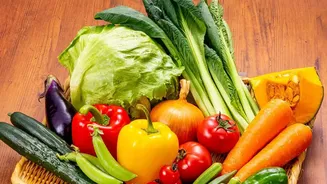
You don't need to restrict your diet severely. Instead, focus on incorporating nutrient-dense foods that are easy to digest. High-fibre foods like vegetables, fruits, and whole grains help get things moving and restore lost vitamins. Lean proteins are also important. Consider a vegetable omelette for breakfast or a large 'power salad' with lean chicken for lunch. Soups are an excellent way to pack in vegetables and hydration. Certain foods are particularly helpful; ginger and peppermint tea can soothe an upset stomach, while probiotic-rich foods like yoghurt can support your gut health. The goal isn't to starve, but to nourish your body with wholesome foods that support its natural processes.