






The Age of the Conscious Snacker
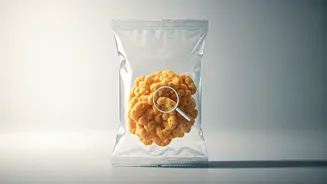
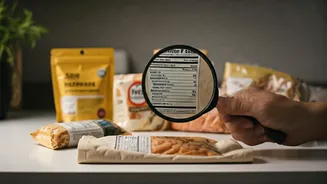
The Indian consumer has changed. More aware and digitally connected than ever, shoppers are increasingly scrutinising what they eat. They are turning packets over to read ingredient lists, questioning health claims, and becoming wary of misleading marketing.
This shift is driven by rising health consciousness, greater awareness of lifestyle diseases, and a desire for cleaner, more honest products. A recent report highlighted that a significant majority of consumers now read labels before buying, checking for things like fat content and unfamiliar ingredients, a habit that wasn't as common just a few years ago. This evolution marks the rise of the conscious snacker—a consumer who demands more than just a tasty bite; they demand to know what’s inside, where it came from, and why they should trust the brand behind it.
Beyond 'Health-Washing'
For years, brands have tried to capture the health-conscious segment by splashing words like 'natural,' 'multigrain,' or 'low-fat' on their packaging. But today’s consumer is savvy to “health-washing”—the practice of making a product seem healthier than it is. Studies have shown that many health claims on packaged foods in India are non-compliant or unsubstantiated. A snack can be advertised as “baked, not fried,” yet still be high in sodium or refined carbohydrates. True trust isn't built on flimsy marketing claims. It's built on transparency. According to the 'Farmley Healthy Snacking Report 2026', 62% of respondents consider clear ingredient information the most important factor when selecting a snack brand, ranking it higher than celebrity endorsements.
The New Pillars of Trust
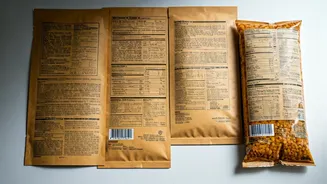
So, what does it take to earn this trust? It boils down to three core pillars. The first is radical transparency about ingredients. This means short, simple ingredient lists without confusing jargon and clear information about sourcing. The second is ethical and sustainable sourcing. Consumers increasingly want to know the story behind their food. Brands that can show they use fair labor practices and environmentally friendly methods are building stronger connections with their customers. The final pillar is honest communication. This means abandoning misleading health halos and being upfront with consumers, even when it means admitting a product is an indulgence rather than a health food. FSSAI's CEO has noted that shoppers now demand transparency about where food comes from and how it is made.
The Digital Test of Authenticity
In the digital age, a brand's reputation can be made or broken in an instant. A single viral social media post about misleading labelling or poor quality can undo years of marketing. However, digital platforms also offer an unprecedented opportunity for brands to build authentic relationships. Quick commerce apps, for instance, are changing how snacks are discovered, allowing smaller, honest brands to compete with established giants based on reviews and perceived quality rather than just distribution muscle. New-age brands like The Whole Truth have built a loyal following by using a “nothing to hide” approach, showcasing their simple ingredients and transparent processes as a core part of their brand identity. They use content not just to sell, but to educate their community, building a foundation of trust that is difficult for competitors to replicate.
Trust Is a Business Imperative
Prioritising trust is not just a moral obligation; it is a powerful business strategy. Consumers are willing to pay more for brands they believe in. A recent survey revealed that nearly six in ten Indian parents are willing to pay a premium for healthier snacks for their children, signalling a major opportunity in the packaged food industry. Trust translates directly into customer loyalty, which is especially sticky in categories like kids' snacks. A parent who trusts a brand is less likely to switch. In an increasingly crowded market, where consumer perception influences a majority of purchase decisions, brands built on a foundation of transparency, ethics, and honesty are the ones that will not only survive but thrive. They will command better pricing, foster stronger loyalty, and ultimately, win the confidence of the Indian consumer.