








A New Generation’s Priority
For many young Indians, particularly Gen Z and millennials, the definition of a well-lived life is shifting. Instead of focusing solely on traditional milestones, there is a growing emphasis on gaining life experiences, with travel sitting at the top
of the list. Solo travel, once considered unconventional, is now seen as a powerful act of independence and self-discovery. Recent reports show a significant surge in Indians planning solo trips, far surpassing the global average. This desire is especially strong among young women, who are leveraging travel to build confidence and resilience. Motivations range from needing a break from daily life to a deep-seated desire for self-reconnection and cultural immersion. It’s less about rebellion and more about self-care, introspection, and the freedom to explore at one's own pace.
The Financial Toolkit for Modern Travellers
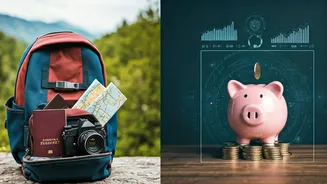
This travel boom is being powered by a quiet revolution in personal finance. Young Indians are becoming increasingly financially savvy, understanding that their travel dreams require a plan. A staggering 91% of Gen Z consumers emphasize the importance of saving to reach their goals, which prominently include travelling abroad. This has led to the rise of practical, tech-driven financial strategies. Systematic Investment Plans (SIPs) are a popular tool, allowing individuals to invest small, regular amounts in mutual funds to build a dedicated travel corpus over time. Financial platforms now offer specific guides on how to create a travel fund, breaking down large costs into manageable monthly goals and automating savings so the process feels effortless.
From 'Sinking Funds' to 'Loud Budgeting'
The methods themselves are becoming part of the culture. The concept of a 'sinking fund'—creating a separate savings pot for a specific goal like travel—is gaining traction. But perhaps the most significant trend is 'loud budgeting'. Popularised on social media, it involves being open and unapologetic about financial priorities. Instead of feeling pressured to spend on non-essential social outings, young people are vocally choosing to save for things that matter more to them, like a solo trip. This marks a mental shift where saving is not embarrassing but empowering. This intentional spending is complemented by diligent bargain hunting, with 88% of Gen Z stating they try to get the best deal on every purchase. Many are actively cutting back on daily expenses like shopping and transport to finance their travels.
Making Every Rupee Count on the Road
The financial savvy doesn't stop once the trip is booked. This new generation of travellers has mastered the art of smart spending on the road. They prefer hostels and homestays over expensive hotels and use public transport to navigate new cities. There's a clear preference for authentic experiences, like eating local street food instead of dining at pricey tourist-trap restaurants. Technology plays a huge role, with apps used for everything from finding the cheapest flights to discovering hidden gems recommended by fellow travellers. For some, funding travel is even more direct, with young backpackers picking up short-term work at hostels or volunteering in exchange for accommodation and food, making their journeys more sustainable and affordable.
More Than Just a Holiday
Ultimately, the link between these finance hacks and solo trips goes beyond just money. It's about a fundamental desire for agency and control. Meticulously planning a budget, setting up a SIP, or turning down an expensive night out in favour of a travel fund are all acts of empowerment. They demonstrate a proactive approach to turning a dream into a concrete plan. Financial independence is key, with a large majority of young Indians choosing to fund their first major trip with their first paycheck or after landing a job. This journey of financial planning is intertwined with the journey of self-discovery that solo travel represents, proving that with the right mindset and tools, exploring the world on your own is more accessible than ever.