


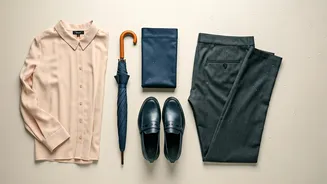




Fabric Is Your First Defence
The foundation of any successful monsoon wardrobe is the right material. Heavy fabrics that absorb water are your worst enemy. Denim, pure cotton, and heavy silks become heavy, take forever to dry, and can lead to that dreaded musty smell. Instead, build
your outfits around lightweight, quick-drying fabrics. Materials like rayon, crepe, georgette, and cotton-blends are ideal choices. They don't hold moisture, feel light against the skin in high humidity, and won't turn transparent in a light drizzle. Polyester blends and modal are also excellent, offering durability and a faster drying time, which is crucial when sunlight is scarce. For Indian wear, a fine cotton or a cotton-linen blend kurta offers the perfect balance of breathability and quick-dry properties.
Embrace Shorter Silhouettes
Long, flowing garments are a recipe for disaster when navigating water-logged streets. This season, think short. Opt for cropped trousers, culottes, capris, and shorts to keep your hems safely away from mud and puddles. Knee-length or midi dresses and skirts are not only practical but also incredibly chic. A-line and shift dresses are particularly great choices as their silhouettes don't cling to the body, allowing for better air circulation in the humid weather. For ethnic wear, shorter kurtis paired with ankle-length pants or leggings are a smart and stylish combination that keeps you comfortable and mobile. Avoid floor-dragging dupattas or palazzos; a shorter, lighter scarf is a much better alternative.
Brighten Up the Gloomy Days
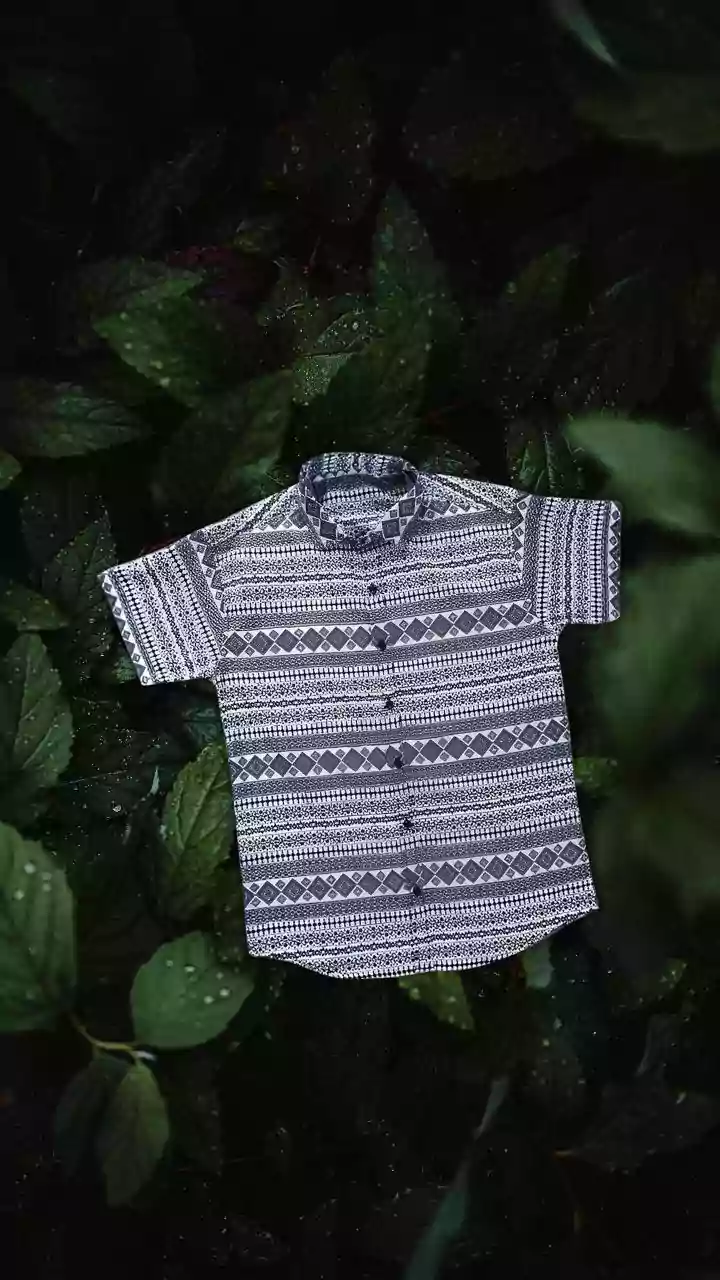
Monsoon skies can be grey and overcast, but your wardrobe doesn't have to be. This is the perfect season to embrace bold and vibrant colours. Bright hues like sunny yellows, cheerful pinks, electric blues, and fresh greens can instantly lift your mood and make you stand out. These colours not only add a pop of cheer to a dreary day but are also practical. Darker, vibrant shades and busy prints are excellent at camouflaging any mud splashes or water marks you might pick up on your commute. So, don't be shy about injecting some colour into your outfits; it's a simple way to bring a little sunshine to the rainiest of days.
Waterproof Your Footwear
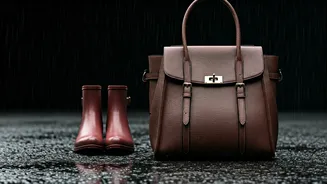
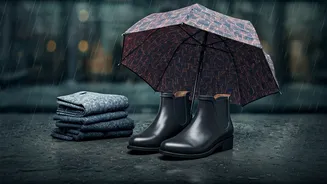
Your favourite leather shoes, suede loafers, and delicate heels have no place in the monsoon. They are easily damaged by water and can become breeding grounds for fungus. Instead, invest in footwear that is designed to handle the rain. Rubber flip-flops, PVC sandals, jelly flats, and Crocs are all excellent, waterproof options that are easy to clean and dry quickly. For more coverage and grip on slippery surfaces, consider stylish gumboots or waterproof ankle boots. Many brands now offer fashionable waterproof footwear with slip-resistant soles, so you don't have to sacrifice style for safety. Look for shoes made from rubber, PVC, or treated synthetic materials to keep your feet dry and comfortable.
Accessorise with Purpose
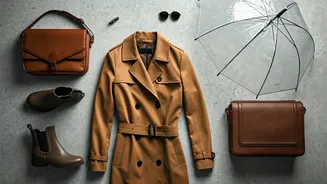
Accessories should be both functional and fashionable during the monsoon. Swap your leather handbag for a waterproof tote made of nylon, PVC, or coated canvas to protect your essentials. A stylish, wind-resistant umbrella is a non-negotiable accessory. Keep jewellery minimal and avoid metals that can tarnish with moisture; instead, opt for simple, waterproof pieces. A colourful scarf made from a quick-dry fabric can protect your hair from the drizzle and add a stylish touch to your outfit. For your tech, a waterproof phone pouch is a small but crucial investment to prevent water damage. Finally, a fashionable raincoat or a lightweight, water-repellent jacket is the ultimate monsoon accessory, providing the final layer of protection while completing your look.
Clothing and Wardrobe Care
Keeping your clothes fresh during the monsoon requires a little extra effort. Due to high humidity, damp clothes can quickly develop a musty odour and even mildew. Always hang up damp clothes to air out as soon as possible; never leave them in a pile in the laundry basket. When washing, use a mild detergent and consider adding an antibacterial liquid to the rinse cycle. Since sun-drying isn't always an option, dry clothes indoors in a well-ventilated area, perhaps with a fan to improve air circulation. Ensure garments are completely dry before storing them. Placing silica gel packets or neem leaves in your wardrobe can help absorb excess moisture and keep your closet smelling fresh.