


The Papad We All Know
For most of us, the papad holds a specific, cherished place in our food memories. It’s the crisp, sometimes fiery, disc that arrives alongside a thali. It's the sound of a satisfying crunch accompanying a mouthful of dal and rice. Roasted over an open
flame until it blisters, or deep-fried until it puffs into a golden crisp, the papad is a simple, reliable, and utterly delicious constant in the complex universe of Indian cuisine. It’s a side dish, a textural counterpoint, a pre-meal snack with a sprinkle of chopped onions and tomatoes. It has never, until now, been the main event. It was perfect in its simplicity, a supporting actor that never tried to steal the show. Its role was defined, understood, and loved.
Enter the Papad-aissance
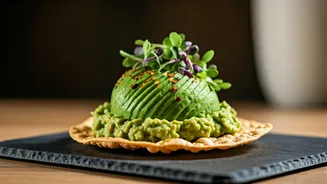
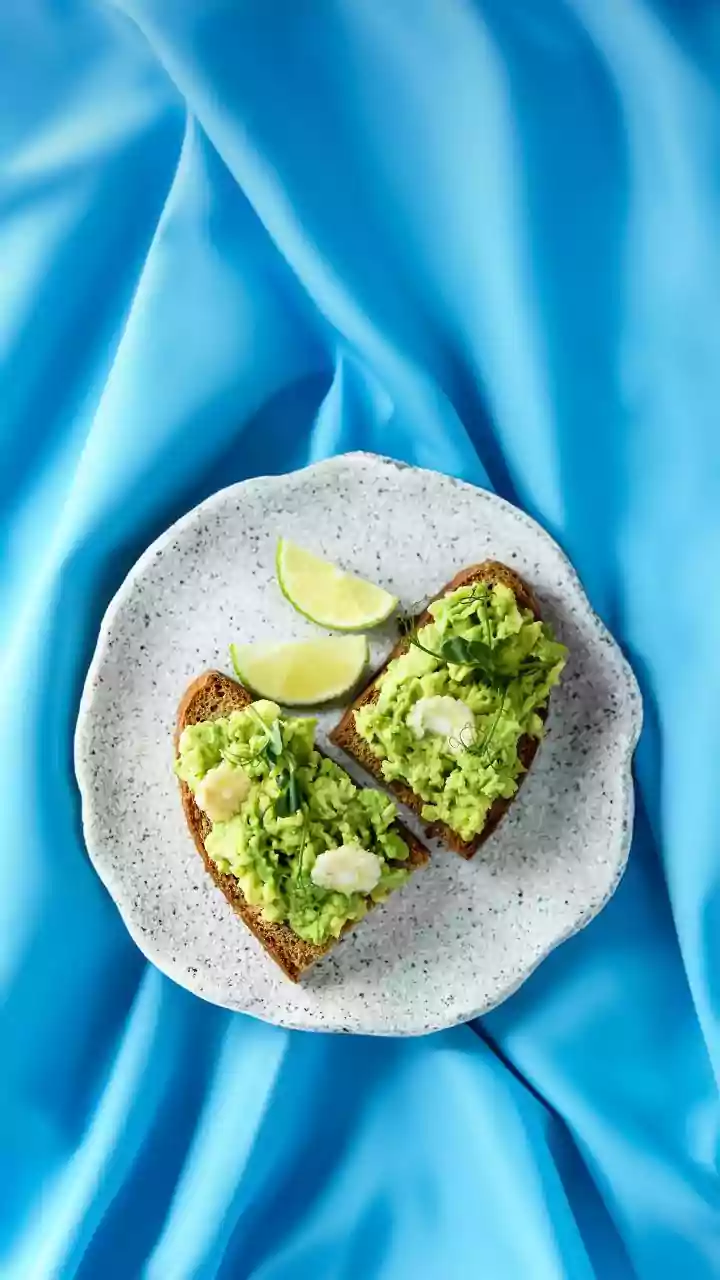
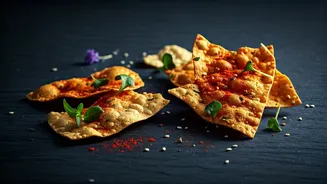
But the internet, as it often does, had other plans. Scroll through Instagram Reels or TikTok, and you’ll witness a culinary revolution in miniature. The humble papad is being reimagined in ways that would make our grandparents raise a skeptical eyebrow. We’re talking about ‘papad tacos’, where the folded wafer becomes a shell for fillings like refried beans and salsa. We’re seeing ‘papad pizzas’, with the disc serving as a gluten-free base for tomato sauce, cheese, and olives. There are ‘papad nachos’, where broken pieces are loaded with everything from corn and jalapeños to, yes, avocado mash. The term ‘Avocado Toast’ in the headline is less a literal recipe and more a cultural symbol. It represents the transformation of a simple, traditional food into something trendy, globalised, and photogenic—the kind of dish that’s practically designed to go viral. This isn't just a snack; it's content.
A Generation's Culinary Signature
So, why is this happening now? This trend is a perfect storm of Gen Z’s defining characteristics. Firstly, there's the desire for personalisation and fusion. This is a generation that has grown up with global food chains and international cooking shows at their fingertips. For them, culinary borders are suggestions, not rules. Mixing a Mexican staple with an Indian one isn’t jarring; it’s intuitive. Secondly, there’s the powerful influence of visual culture. A simple roasted papad is delicious but not exactly ‘Instagrammable’. A loaded papad, however, bursting with colourful toppings, is a feast for the eyes before it’s a feast for the mouth. It’s a low-effort, high-impact way to create something that looks impressive on a social media feed. Finally, it reflects a playful, less reverent relationship with tradition. This isn’t about rejecting the past, but about remixing it to fit a modern palate and lifestyle.
Tradition vs. Innovation
Naturally, this reinvention has sparked a gentle debate. For purists, loading a papad with cheese and oregano feels like a culinary crime, a misunderstanding of its essential purpose. To them, the papad’s beauty lies in its stark simplicity. Drowning it in toppings is like adding a drum machine to a classical raga—it might be interesting, but it misses the point. The innovators, however, see it differently. They argue that food is a living, breathing part of culture, and it must evolve to stay relevant. They see these 'papad hacks' as a creative way to use a familiar ingredient, reduce food waste by using up leftover papads, and introduce a beloved snack to a new generation in a format they understand and appreciate. It's not an erasure of the masala papad but an expansion of the 'papadverse'.