



The Telltale Signs of Too Much Water
Before pests even arrive, your plant will often show signs of distress from overwatering. The most common symptom is yellowing or browning leaves that feel limp and droopy, not dry and crispy. Paradoxically, a plant sitting in wet soil may also appear
wilted because its roots are drowning. A lack of oxygen in waterlogged soil leads to root decay, preventing the plant from absorbing the water it needs. Other signs include dropping both old and new leaves, a mushy stem base, and a sour or rotten smell coming from the soil. You might also see mould growing on the soil's surface.
Why Soggy Soil Is a Pest Paradise
Soggy soil creates the perfect storm for pest infestations. The primary issue is the lack of oxygen, which suffocates and kills roots. This decaying organic matter becomes a food source for various pests and their larvae. Consistently wet soil is a breeding ground for fungi, which certain pests, like fungus gnats, feed on. This moist, decaying environment is highly attractive, turning your beloved plant’s pot into a nursery for bugs. A plant weakened by overwatering and root rot is also less able to defend itself against infestations, making it an easy target.
Meet the Unwanted Guests
The most common visitor to an overwatered plant is the fungus gnat. These tiny, dark flying insects are often mistaken for fruit flies and hover around the soil. While the adults are mostly a nuisance to you, their larvae live in the top layer of moist soil and feed on fungi and decaying roots, which can stunt your plant's growth. Other pests also appreciate overly damp conditions. Mealybugs, which look like small white cottony spots, thrive in humid environments. While less common, spider mites can also be an issue, though they typically prefer dry conditions, the stress on an overwatered plant can make it more susceptible to them. Slugs may also be attracted to the moisture and decaying matter in outdoor pots.
Getting Rid of the Infestation
First, isolate the affected plant to prevent pests from spreading. For fungus gnats, the best strategy is to let the top two inches of the soil dry out completely. This disrupts the larval stage. Yellow sticky traps can be placed near the soil to catch adult flies. For a more active approach, you can drench the soil with a solution of water and Bacillus thuringiensis israelensis (BTI), a naturally occurring bacterium that kills gnat larvae but is harmless to plants and people. Homemade remedies like a diluted hydrogen peroxide drench can also work by killing larvae on contact and adding oxygen to the soil. For pests on the leaves, like mealybugs or spider mites, wiping the leaves with a damp cloth or a cotton swab dipped in rubbing alcohol can be effective for small infestations.
The Golden Rules of Watering
Prevention is always the best cure. The key to avoiding these pests is proper watering. Overwatering isn't about the volume of water, but the frequency. Always check the soil before you water. The simplest method is to stick your finger one to two inches deep; if it comes out dry, it's time to water. Ensure your pot has drainage holes to let excess water escape, and don't let the pot sit in a saucer full of water. Using a well-draining potting mix is also crucial. Regularly remove any dead leaves or spent flowers from the soil surface, as this decaying material can attract pests. A healthy, properly watered plant is the best defense against any infestation.
When to Intervene with Root Rot
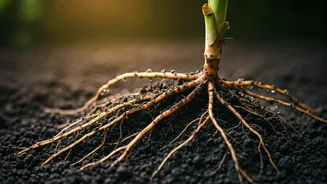
If you suspect a severe problem, you may need to check for root rot. Gently remove the plant from its pot and inspect the roots. Healthy roots are typically firm and white or light-colored, while rotted roots will be brown or black, mushy, and may even smell bad. If you find root rot, use clean, sharp scissors to trim away all affected roots. It's important to dispose of the old soil, which contains the harmful fungi, and thoroughly clean the pot with soap and water before repotting the plant in fresh, sterile potting mix. After repotting, water it carefully and allow the plant time to recover.