





Fabric Focus: Choose Wisely
The single most important decision for monsoon dressing is your choice of fabric. Heavy materials that absorb water are a recipe for discomfort. Denim, for instance, becomes heavy and takes ages to dry, making it a poor choice for rainy days. [3, 8, 9]
Pure cotton, while breathable, also soaks up moisture and can become transparent and clingy when wet. [6, 9] Instead, opt for lightweight, synthetic, or blended fabrics that dry quickly. Materials like polyester, nylon, and georgette are excellent as they repel water. [2, 4, 5] Rayon and crepe are also fantastic options because they are light, breathable, and don't stick to your body in the humidity. [4, 9] If you love the comfort of natural fibres, look for cotton-polyester or linen blends, which offer breathability with the added benefit of being quick to dry. [2, 7]
Hemlines and Silhouettes: Keep It Short and Flowy
Navigating water-logged streets and muddy puddles is a daily monsoon reality. The easiest way to protect your clothes is to avoid long, trailing hemlines. Full-length trousers, maxis, and patialas are best saved for drier days. [3] This is the season to embrace shorter lengths. Opt for culottes, cropped pants, shorts, and knee-length skirts or dresses. [3, 16] These styles not only keep your hems clean and dry but also add a chic, contemporary edge to your look. When it comes to traditional wear, a shorter kurti paired with ankle-length pants or leggings is a practical and stylish choice. [9, 16] Flowy silhouettes like A-line cuts or kaftans are also ideal, as they prevent fabric from clinging uncomfortably in the humid air. [15, 16]
Footwear Fundamentals: Grip and Waterproofing Are Key
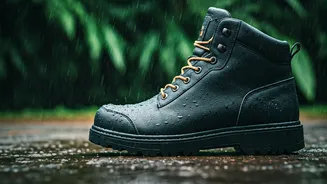
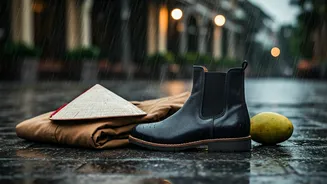
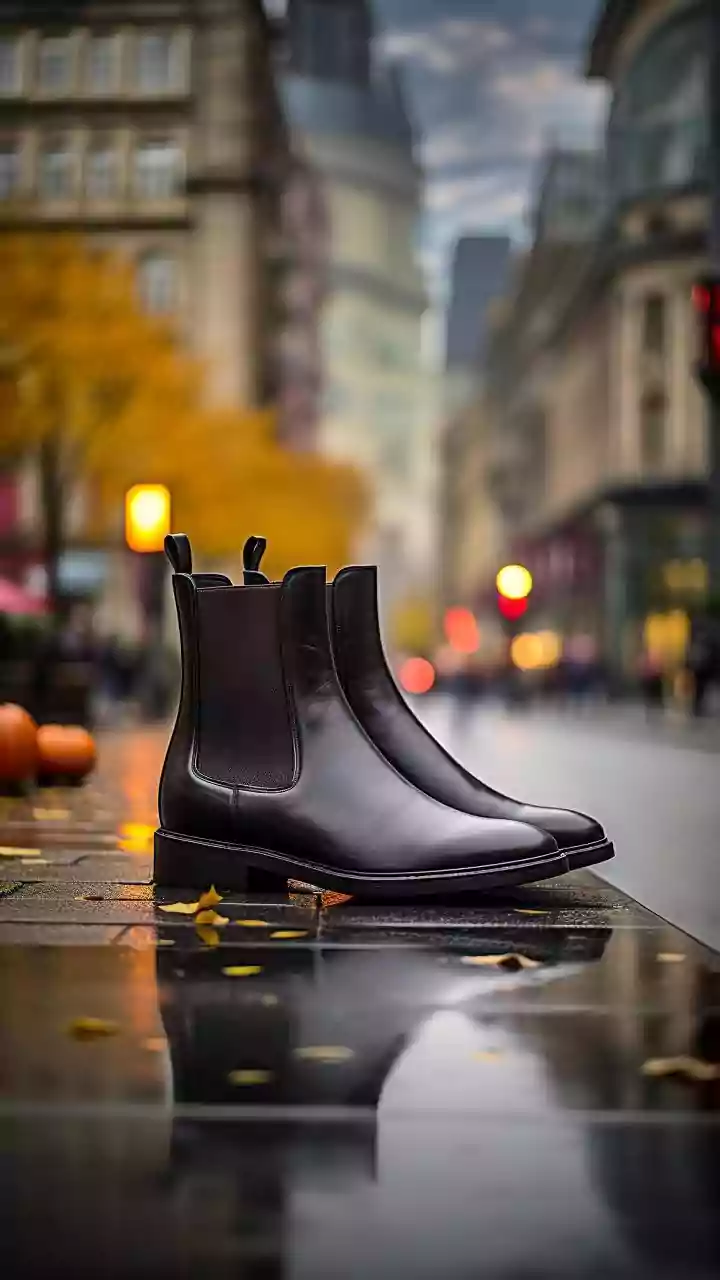
The wrong footwear during monsoon can lead to slips, ruined shoes, and uncomfortable, soggy feet. Leather and suede are major no-nos, as water can cause them to stain, warp, and develop fungus. [8, 13] Similarly, canvas sneakers absorb water easily. [3] The best choices are waterproof and offer good grip on slippery surfaces. [10] Rubber boots, floaters, and PVC sandals are your best friends this season. [3, 15] They are easy to clean and dry quickly. For a more formal or work-appropriate look, consider waterproof loafers or closed rubber shoes which protect your feet while still looking polished. [8, 19] Avoid open-toed flip-flops for commutes, as they often splash mud onto your legs and the back of your trousers. [8, 13]
Colour Palette: Brighten Up or Hide the Stains
The gloomy, grey skies of the monsoon are the perfect backdrop for a vibrant wardrobe. Wearing bright colours like yellows, pinks, blues, and greens can instantly lift your mood and make you stand out. [3, 16] Bold floral and geometric prints are also excellent choices, as they bring a cheerful energy and can cleverly hide mud splashes or water marks. [9, 16] On the other hand, there's a strong case for wearing dark colours—like navy, charcoal, or black—especially for your bottom wear. [12] Dark trousers or skirts are practical because they effectively conceal any dirt or stains you might pick up on your commute.
Accessorise Smartly: Protection Meets Style
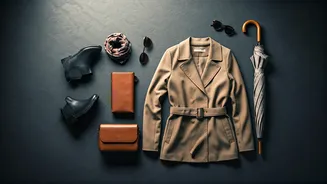
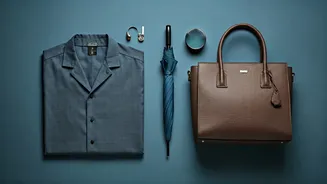
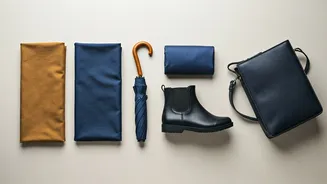
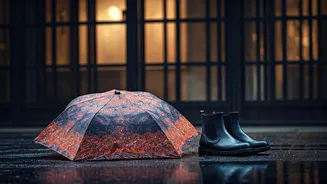
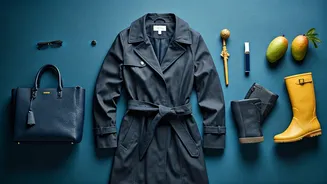
Monsoon accessories are about both function and fashion. A sturdy, compact umbrella is non-negotiable. [12, 21] Consider choosing one in a bold colour or print to make it a style statement. When it comes to bags, swap your leather totes for waterproof options. [3] A chic nylon or PVC bag will protect your essentials, including your electronic devices, from the rain. [3] Be mindful of your jewellery; humidity can cause some metals to tarnish. [9] Opt for plastic, resin, or other non-reactive materials. [12] Finally, a stylish waterproof jacket or a classic trench coat is a great investment for smart layering, keeping you dry during a downpour without sacrificing your look. [15, 22]