








1. Bhindi (Okra / Lady's Finger)
A staple in Indian kitchens, bhindi thrives in the warm, humid conditions of the monsoon. It's a relatively low-maintenance plant that is perfect for beginners. The key to a good bhindi crop is well-draining soil and plenty of sunlight. Sow the seeds
directly into a pot that is at least 12 inches deep. Use a mix of soil, cocopeat, and compost to ensure it doesn't get waterlogged, which is a common monsoon challenge. Water it regularly, but avoid letting the soil become soggy. Within 50-60 days, you should see your first lady's fingers ready to be harvested and turned into a delicious sabzi.
2. Lauki (Bottle Gourd)
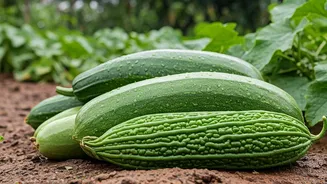
Watching a lauki vine grow is immensely satisfying. These creepers love the monsoon moisture and can produce an impressive yield. While they do require some space to spread, you can train them up a trellis or a railing on your balcony. Plant the seeds in a large container or grow bag (at least 15-20 inches wide). Ensure the pot has good drainage holes. Bottle gourds are heavy feeders, so enriching your soil with plenty of organic compost is crucial. They need consistent moisture, which the monsoon conveniently provides, but ensure the roots aren't sitting in water. In about 60-70 days, you can harvest your own fresh lauki for soups, curries, or even juice.
3. Turai (Ridge Gourd)
Similar to bottle gourd, ridge gourd is another vining plant that flourishes during the rainy season. It's known for being particularly resilient to pests and diseases that can be common in humid weather. Like lauki, turai needs a sturdy support structure to climb. Plant 2-3 seeds in a large pot (15 inches or more) filled with a rich, loamy soil mix. These plants love full sun, so pick the sunniest spot on your balcony. The monsoon rains will take care of most of your watering needs, but check the soil's moisture on days it doesn't rain. You can expect to harvest your first gourds in about two months.
4. Green Chillies (Hari Mirch)
No Indian kitchen is complete without a stash of green chillies, and growing them at home is surprisingly easy. Chilli plants do very well in pots and love the monsoon climate. You can easily grow them in 8-10 inch pots. Use well-draining soil and place them in a spot that gets at least 4-5 hours of direct sunlight. While they like humidity, they are prone to root rot if the soil is too wet, so ensure excellent drainage. You can start from seeds or buy a small sapling from a nursery to get a head start. Soon enough, you'll have a constant supply of fresh, spicy chillies right at your fingertips.
5. Leafy Greens (Palak, Amaranth)
Monsoon is a great time for fast-growing leafy greens. Spinach (Palak) and Amaranth (Chaulai Saag) are excellent choices. They don't need deep pots, so wide, shallow containers or troughs work perfectly. These greens prefer partial shade, making them ideal for balconies that don't get full sun all day. Sow the seeds directly in a nutrient-rich soil mix. Keep the soil consistently moist. The best part? You can start harvesting leaves in as little as 30-40 days. Simply snip the outer leaves as needed, and the plant will continue to produce more, giving you a continuous supply of fresh greens for your dals and sabzis.
6. Cluster Beans (Gawar Phali)
Gawar is a hardy, drought-resistant plant that also adapts wonderfully to the monsoon. It's a nitrogen-fixing legume, which means it actually improves the quality of the soil it grows in. This makes it a fantastic choice for beginner gardeners. Plant the seeds in a medium-sized pot (around 10-12 inches) with well-draining soil. It requires moderate watering and loves a sunny spot. The plants are bushy and don't require any support. In about 50-60 days, you will see bunches of tender beans ready to be picked. They are a nutritious and flavourful addition to any meal, and growing them yourself is incredibly simple.