


Do You Need a Permit?
This is a crucial first question. For Indian citizens, the answer is simple: no permit is required to visit any part of Kinnaur, including popular spots like Sangla, Chitkul, and Kalpa. You should, however, always carry a valid government-issued photo
ID, as you will need to register at police checkposts. For foreign nationals, the rules are different. While you can visit lower Kinnaur areas like Sarahan, Sangla, and Kalpa without any special permission, a Protected Area Permit (PAP), often called an Inner Line Permit (ILP), is mandatory for travel to regions beyond Jangi, towards the Tibetan border, including areas like Pooh and Nako. These permits are typically issued to groups of two or more people sponsored by a recognized travel agency and can be obtained from government offices in Shimla or Reckong Peo.
The Best Time to Visit
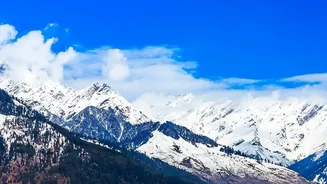
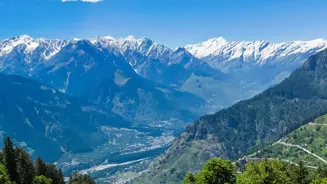
Kinnaur offers different experiences depending on the season. The two most popular windows for travel are from April to June and September to October. Spring and early summer (April-June) bring pleasant weather, with temperatures ranging from 8°C to 30°C, and blooming orchards. This period is ideal for sightseeing and outdoor activities. The autumn months of September and October are famous for clear post-monsoon skies, offering stunning views of the snow-capped peaks. This is also the apple harvesting season, allowing you to witness the valley vibrant with activity. The monsoon months (July-August) are generally best avoided due to the risk of landslides. Winter (November-March) is for the truly adventurous, as heavy snowfall can lead to road closures and temperatures drop well below freezing, though the main highway via Shimla usually remains accessible.
How to Get There and Get Around
The most common and reliable way to reach Kinnaur is by road from Shimla via the Hindustan-Tibet Highway (NH-5). This route is generally open year-round, unlike the Manali-Kaza road which closes in winter. The journey from Shimla to Reckong Peo, Kinnaur's district headquarters, is a long day's drive of about 235 km. From there, branch roads lead to key destinations like Kalpa, Sangla, and Chitkul. It is important to note that the status of these smaller roads can change quickly due to weather, so it is wise to check locally before you travel. You can hire a private taxi for the entire circuit or use the Himachal Road Transport Corporation (HRTC) buses that connect Shimla with Reckong Peo and other major towns in the valley.
Key Places to Explore
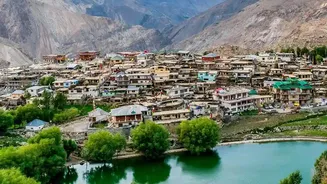
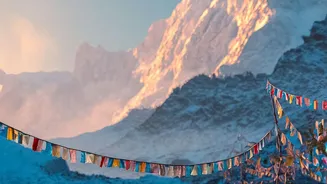
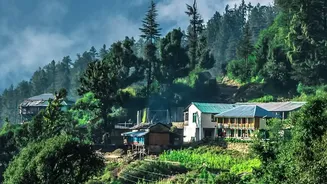
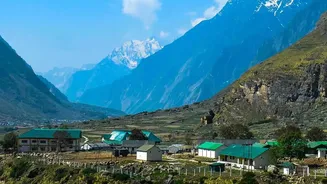
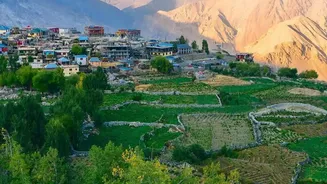
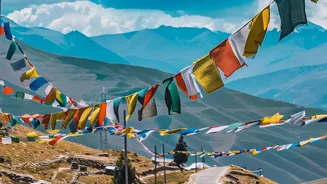
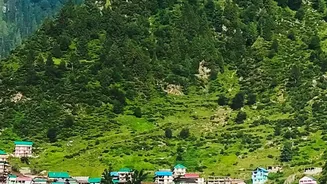
Kinnaur is a district, not a single destination. Your itinerary should include a few key valleys and villages. Kalpa is famous for its breathtaking sunrises over the Kinner Kailash range, believed to be the winter abode of Lord Shiva. The Sangla Valley, also known as Baspa Valley, is a lush, green expanse with the beautiful village of Batseri and the Kamru Fort. At the end of this valley lies Chitkul, often called the last inhabited village on the old Indo-Tibetan trade route. Sarahan, with its magnificent Bhimakali Temple, is another popular stop, showcasing unique Kinnauri wood architecture. Further up towards Spiti, the village of Nako offers a pristine lake and an ancient monastery.
Packing for the High Altitude
Packing in layers is the golden rule for Kinnaur. Even in summer, evenings and mornings can be chilly. Essentials include a mix of light t-shirts, a few mid-layers like fleece jackets, and a warm, windproof outer jacket. Comfortable, sturdy walking shoes are non-negotiable. Other must-haves include a high-SPF sunscreen, sunglasses, a cap, personal medications, and a first-aid kit. Given the unreliable electricity in remote areas, a fully charged power bank is a lifesaver. Also, carry sufficient cash, as ATMs are available only in larger towns like Reckong Peo and Sangla and can sometimes run out of money.
Culture, Customs, and Connectivity
Kinnauri culture is a unique blend of Hinduism and Tibetan Buddhism, which is reflected in its temples, monasteries, and festivals. The people are known for their distinct green or maroon felt caps. When visiting, it is important to be a responsible tourist; respect local traditions, ask for permission before photographing people, and be mindful of religious customs. As for staying connected, do not expect seamless connectivity. BSNL and Jio offer the best coverage, but networks are often intermittent, especially in remote villages like Chitkul and Nako. Embrace the digital detox as part of the experience.