


The Protein Puzzle: Why It Matters
Protein is the fundamental building block for a growing child's body. It is essential for everything from muscle and bone growth to brain development and maintaining a strong immune system. For children, who are constantly growing and active, adequate
protein intake is not just for maintenance but for building new tissues. Without enough of it, a child might experience fatigue, fall sick more often, or show slower growth. In essence, protein provides the critical raw materials needed to build a healthy and resilient body from the ground up.
How Much Protein Is Enough?
The exact amount of protein a child needs varies with age, weight, and activity level. According to guidelines from the Indian Council of Medical Research (ICMR), the requirements increase as a child grows. Toddlers (1-3 years) need around 13-16 grams per day, while preschoolers (4-6 years) require about 19-20 grams. School-aged children (7-12 years) need between 23 and 34 grams, and teenagers may need as much as 40 to 52 grams daily. A simpler way to estimate is about 1 gram of protein for every kilogram of the child's body weight, especially for diets that are heavy on cereals. These numbers are not meant to cause stress, but to serve as a general guide for planning balanced meals.
Beyond Dal and Paneer: Diverse Protein Sources
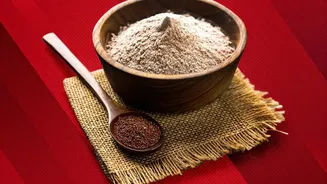
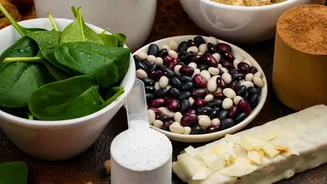
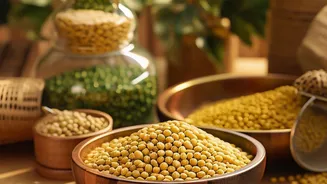
While dal and paneer are excellent staples of the Indian diet, relying on them alone can be limiting. A varied approach ensures a wider range of amino acids and other nutrients. Thankfully, the Indian kitchen is rich with options. Lentils and legumes like rajma, chole, and various dals (moong, masoor, toor) are protein powerhouses. Dairy products such as curd and milk are fantastic sources. Don't overlook soy products like tofu and soya chunks, which are considered complete proteins. Nuts and seeds, including peanuts, almonds, and sesame, can be added to meals as powders or butters for younger children to avoid choking hazards. Even millets like ragi and jowar, and whole grains contribute to the daily protein count.
The Power of a Colourful, Varied Plate
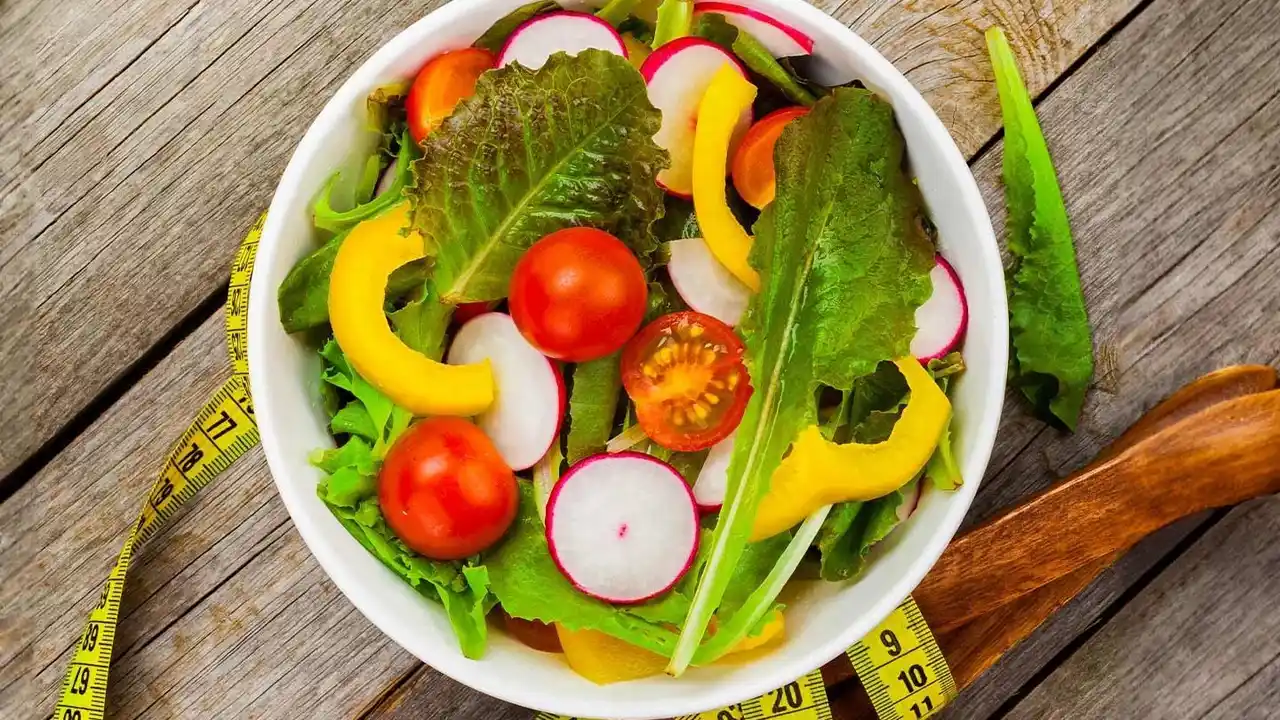
Protein is just one piece of the nutritional puzzle. Dietary variety—eating different foods from all food groups—is crucial for ensuring your child gets a wide spectrum of vitamins and minerals that are often missing in monotonous diets. Common deficiencies in Indian children include iron, Vitamin D, Vitamin A, and zinc. A varied diet helps cover these bases naturally. For example, pairing iron-rich foods like lentils or spinach with a Vitamin C source like tomato or lemon enhances iron absorption. Eating a 'rainbow' of fruits and vegetables ensures a broad intake of micronutrients essential for everything from eyesight to immunity. Introducing different foods early can also help shape healthier, more adventurous eating habits for life.
Practical Tips for Fussy Eaters
Dealing with a picky eater is a common challenge for parents. The key is patience and persistence, not pressure. It can take more than 10 attempts for a child to accept a new food. Try offering new foods in small quantities alongside familiar favourites. Involve your children in meal preparation, like washing vegetables or choosing what to buy at the market; this can make them more interested in eating the final dish. Presentation matters, too. Arranging food in colourful and fun shapes can make it more appealing. Finally, remember to be a role model. When children see their parents enjoying a variety of healthy foods, they are more likely to try them too.