



The New Value Proposition: Cost-Per-Wear
The modern Indian shopper is increasingly thinking like an investor. Instead of the instant gratification of a cheap, trendy purchase, the focus is shifting to long-term value. Enter the concept of 'cost-per-wear', a simple calculation that divides an item's
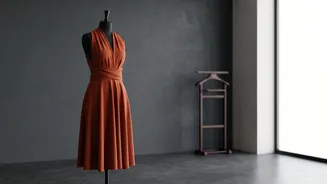
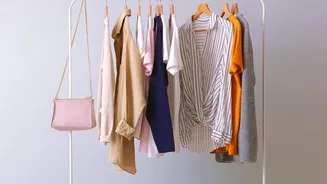
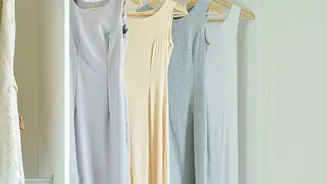
price by the number of times you'll likely wear it. A fast-fashion top that costs ₹800 but is worn only twice has a cost-per-wear of ₹400. In contrast, a well-made, versatile dress priced at ₹4000 that can be styled three different ways and worn 40 times has a cost-per-wear of just ₹100. This mindset encourages buying fewer, better things. It's a move away from closets overflowing with single-occasion outfits towards a curated collection of hardworking pieces. This shift signals a maturing consumer base that prioritizes durability, quality, and functionality over the initial price tag.
Functionality as the Ultimate Feature
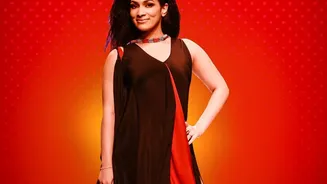
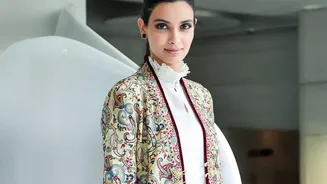
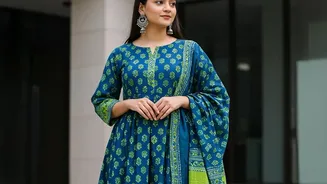
Today's lifestyles demand more from our clothes. A single day can involve a commute, a full workday, and an evening social event. A dress that can be transformed with the addition of a jacket, a change of accessories, or a clever drape meets this need for seamless transitioning. This demand for functional, adaptable clothing is a direct response to the practical realities of modern Indian life: busy schedules, smaller urban living spaces, and a desire for an uncluttered life. Designers are responding by creating collections that feel relevant and effortlessly wearable, blending contemporary silhouettes with India's rich textile heritage to create pieces for work, travel, and celebrations.
The Unspoken Appeal of Sustainability
While 'sustainable fashion' can sometimes feel like an intimidating and expensive category, versatility offers an accessible entry point. Choosing a garment that can be worn multiple ways is an inherently sustainable act. It reduces consumption, minimizes textile waste, and challenges the fast-fashion model of disposable clothing. For a growing number of young, environmentally-aware Indian consumers, this is a major draw. Studies show a significant portion of Indian consumers, particularly millennials and Gen Z, consider sustainability in their purchasing decisions and are actively seeking ways to reduce their environmental impact. A multi-way dress aligns perfectly with these values, offering an eco-conscious choice without the premium price tag often associated with niche sustainable brands.
A Return to Timeless Style
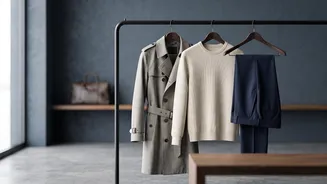
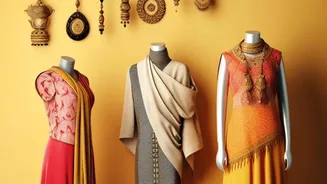
The obsession with fleeting micro-trends is giving way to an appreciation for timeless style and 'quiet luxury'—a focus on high-quality fabrics and classic cuts over loud logos. A versatile piece is, by its nature, timeless. It is designed to outlast a single season's fad. This reflects a growing confidence among Indian shoppers who are moving beyond simply following global trends and are instead curating a personal style that is both modern and rooted. This can be seen in the rise of fusion wear, where traditional elements are blended with contemporary silhouettes to create adaptable pieces that work in multiple contexts. Building a wardrobe around such versatile staples, or a 'capsule wardrobe', allows for endless combinations while promoting mindful consumption.