






What Exactly Is the PJ.2.1 Variant?
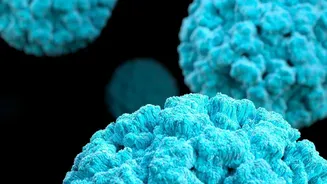
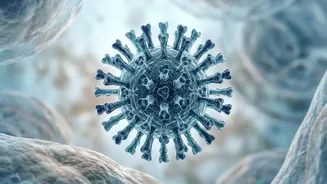
PJ.2.1 is a descendant of the widely circulated JN.1 family of SARS-CoV-2. Scientists refer to it as a ‘saltation’ variant, which means it appeared with a large number of new mutations—over 25 in its spike protein alone—rather than evolving slowly over time.
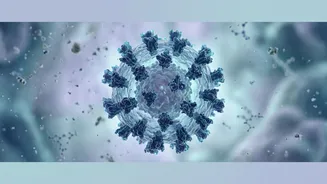
The spike protein is the part of the virus that it uses to enter human cells, which is why so many changes in this area have caught the attention of the global health community. First identified in Canada in May 2026, cases have since been reported in the United States, Europe, Australia, and several parts of Asia. The World Health Organisation (WHO) is now closely tracking its spread.
The Key Concern: Changes in Immune Response
The headline concern revolves around 'immune response changes', but what does that mean in this case? The primary change observed in laboratory studies is not about evading our existing immunity. Instead, research suggests PJ.2.1's mutations allow it to bind more tightly and efficiently to the ACE2 receptor on human cells. Think of this as the virus having a better key for the lock on our cells. This enhanced binding might contribute to its spread. However, the good news from these preliminary studies is that PJ.2.1 does not appear to be significantly better at escaping the antibodies generated by recent vaccines. In fact, one study found that antibodies from an updated vaccine were still effective at neutralising it, showing only a minor reduction in effectiveness compared to other variants.
Is It More Severe or Transmissible?
At present, there is no evidence to suggest that PJ.2.1 causes more severe illness, hospitalisations, or deaths than previous variants. Health officials and infectious disease experts have urged the public to remain calm, emphasising that a variant spreading does not automatically mean it is more dangerous. While its improved ability to bind to cells might suggest faster transmission, this is still being investigated in real-world settings. So far, most cases are expected to be mild, although vulnerable populations like the elderly and those with compromised immune systems should remain cautious.
The Situation in India
For residents in India, there is no cause for immediate alarm. As of mid-November 2026, there has been no confirmed evidence of widespread transmission of PJ.2.1 within the country. Consequently, officials have stated that there is no need to reintroduce any restrictions. India's genomic surveillance network, INSACOG, is actively monitoring the situation by sequencing virus samples from across the country to detect any new variants as they emerge.
Symptoms and What to Do
The symptoms associated with PJ.2.1 are largely indistinguishable from other respiratory illnesses like the common cold or flu. According to the WHO, these include fever, sore throat, cough, a runny or blocked nose, headache, body aches, and fatigue. Because the symptoms are so general, it is impossible to know if you have this specific variant without a diagnostic test. Experts advise that if you develop symptoms, you should follow standard precautions: isolate to prevent spread, test if symptoms persist, and consult a doctor, especially if you belong to a high-risk group or experience worsening symptoms like breathlessness.