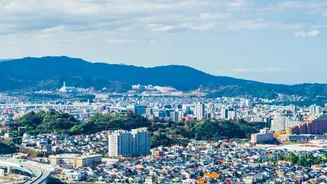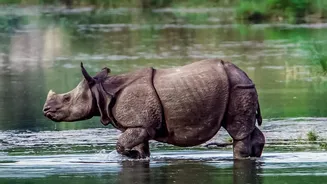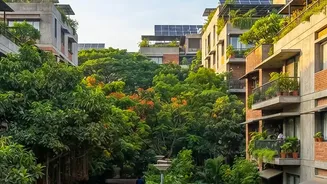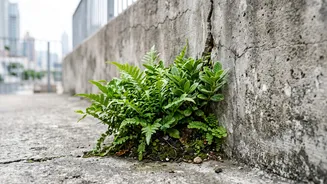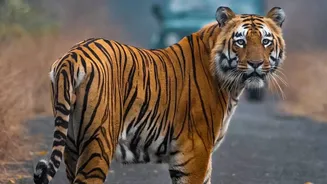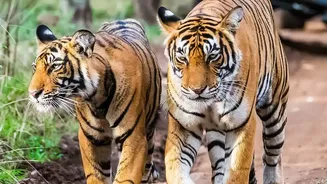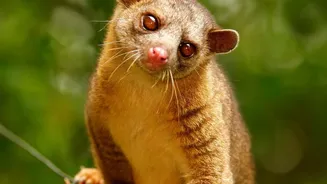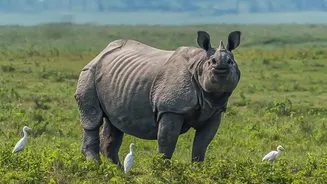

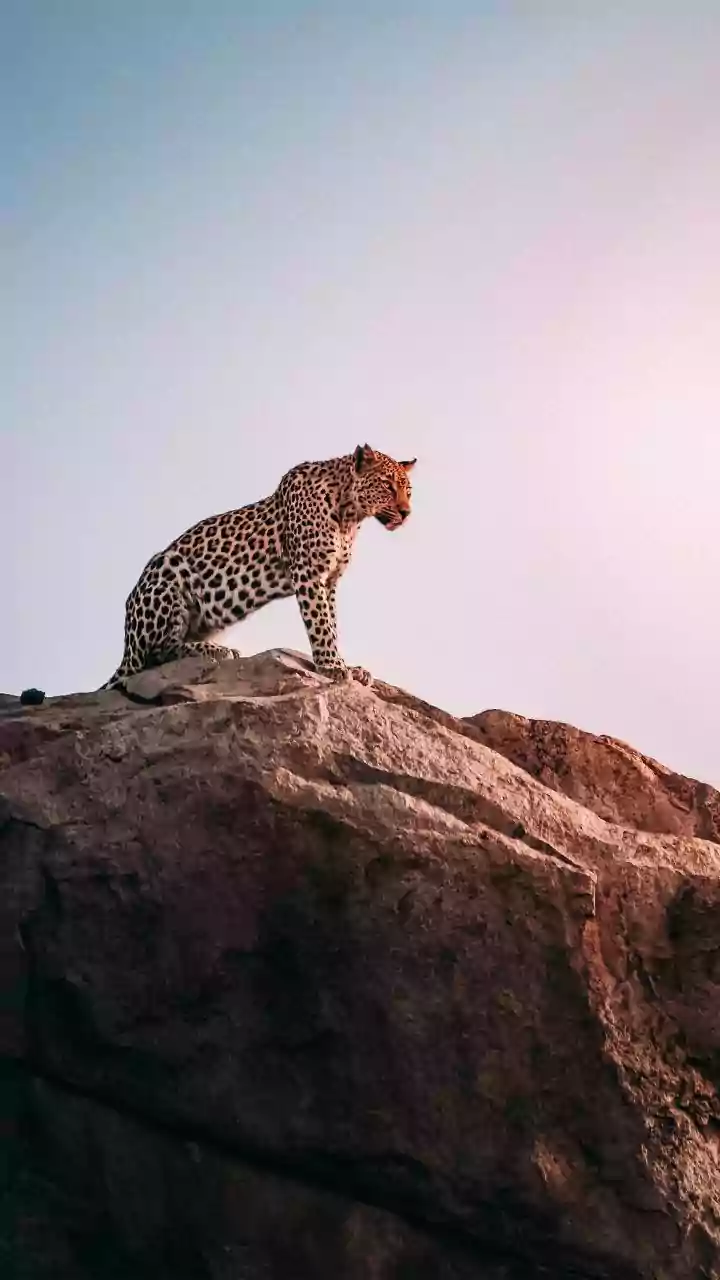
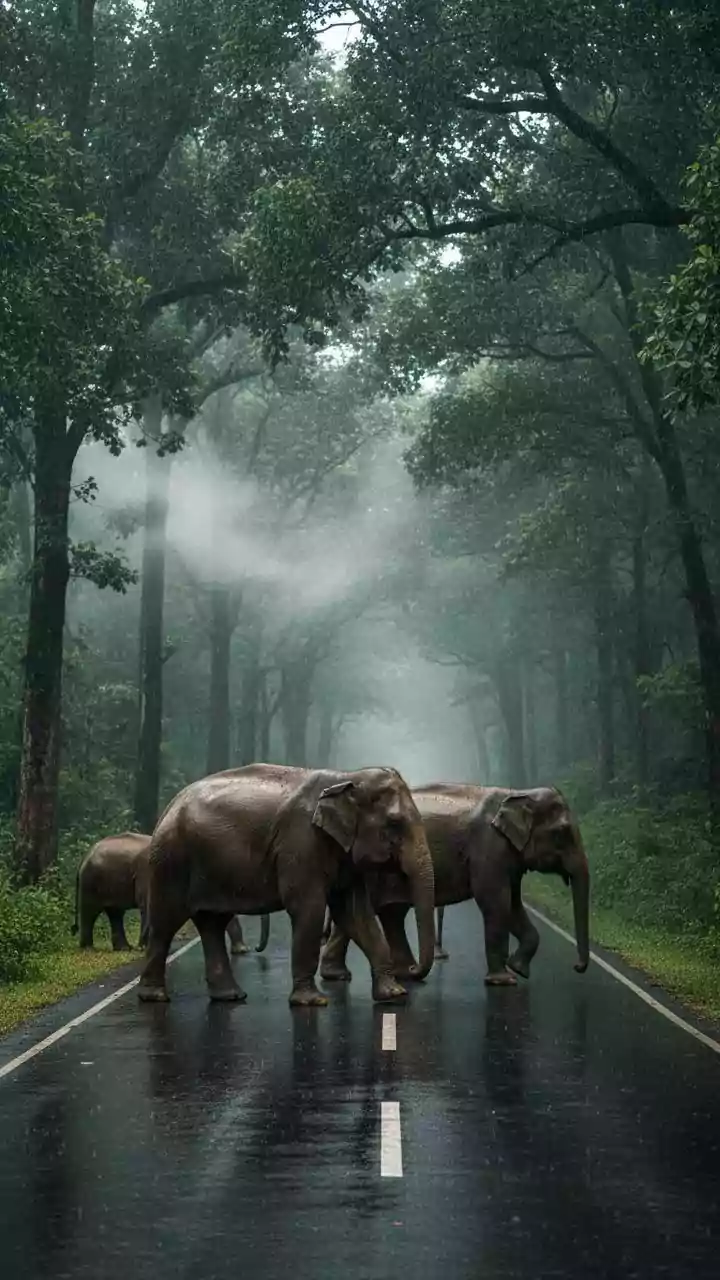
Cities are often seen as concrete jungles devoid of nature. Yet, for many animal species, they are thriving ecosystems. From leopards in Mumbai to jackals on the outskirts of Delhi, wildlife is adapting to urban life in remarkable ways.
The Urban Soundscape
One of the most
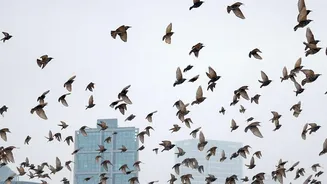
pervasive features of a city is its constant noise. The rumble of traffic, the hum of machinery, and the daily clamour of human life create a soundscape that is drastically different from a natural habitat. For many animals, this noise isn't just a nuisance; it's a barrier to survival that masks vital sounds used for communication, finding prey, or detecting predators. In response, some species have developed fascinating adaptations. Studies show that certain birds in noisy urban areas have started singing at a higher pitch or shifting their calls to quieter times of the day, like early morning, to ensure their songs are heard by potential mates. Bats, which rely on echolocation to hunt, have been observed altering their calls to cut through the din of traffic. However, this adaptation has its limits. For species with less vocal flexibility, the constant noise can lead to stress, reproductive failure, and ultimately, displacement from the urban core.
Navigating the Concrete Maze
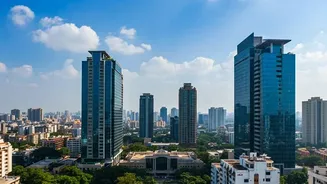
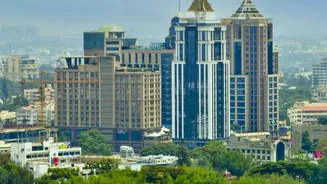
The physical structure of a city presents another set of challenges. Buildings, roads, and fences create a fragmented landscape, breaking up once-continuous habitats into isolated patches. This fragmentation can make it difficult for animals to find food, mates, and new territories, effectively trapping populations in small green islands. Yet, for some species, the concrete jungle becomes a new kind of wilderness. Skyscrapers and bridges are used as artificial cliffs by birds of prey like peregrine falcons and hawks, providing safe nesting spots with a commanding view of their hunting grounds—which are often filled with pigeons and rats. For leopards living on the fringes of Indian cities like Mumbai, overgrown drains and railway lines serve as stealth corridors to move through human-dominated areas at night. These 'urban adapters' learn to see opportunity in infrastructure that 'urban avoiders' perceive only as a barrier.
The Double-Edged Sword of Human Proximity
Living alongside humans is a high-risk, high-reward proposition. On one hand, human presence is a direct threat. The mere presence of people can create a 'landscape of fear', causing animals to alter their activity patterns to become more nocturnal to avoid encounters. But on the other hand, cities offer a tempting buffet. Unsecured garbage bins, discarded food, and even deliberate feeding provide a reliable source of calories for opportunistic species, often called 'urban exploiters'. Animals like raccoons, monkeys, and golden jackals have become masters of scavenging human waste, allowing their populations to thrive in numbers often greater than their rural counterparts. This reliance on human subsidies can reduce their natural fear, leading to bolder behaviour and an increase in human-wildlife conflict.
The Perpetual Daylight of Cities
Beyond noise and structures, the glow of artificial light at night (ALAN) fundamentally rewrites the rules for nocturnal and migratory animals. For billions of years, life has evolved around the predictable cycle of day and night. Urban light pollution disrupts this rhythm, affecting everything from reproduction to navigation. Migratory birds, which use stars to navigate, can become disoriented by bright city lights, leading them off course or into fatal collisions with buildings. The constant light can also disrupt breeding rituals and sleep patterns. Insects are fatally attracted to streetlights, leading to population declines that ripple up the food chain, affecting the birds and bats that feed on them. While some predators may exploit artificially lit areas to hunt more effectively, this upends the delicate balance between hunter and prey, turning darkness—once a refuge—into a liability.