

Why Wholegrains Belong in Your Salad
A true Mediterranean eating pattern is built on a foundation of plant-based foods, with wholegrains playing a crucial role. They provide lasting energy, dietary fibre, B vitamins, and essential minerals like iron and magnesium. Incorporating them into
salads adds texture, a nutty flavour, and the substance needed to keep you feeling full and satisfied. Unlike refined grains, wholegrains maintain all three of their parts—the bran, germ, and endosperm—ensuring you get the complete package of nutrients. Regular consumption of wholegrains is linked to a lower risk of several chronic diseases, making them a smart and simple addition to your daily routine.
Farro: The Hearty Ancient Grain
Farro is an ancient wheat grain with a delightfully chewy texture and a rich, nutty taste that holds up beautifully in salads. It’s an ideal base because it remains pleasantly firm whether served warm or cold. Rich in fibre and protein, farro adds substance that turns a simple salad into a complete meal. It pairs exceptionally well with classic Mediterranean ingredients like roasted vegetables, feta cheese, and a simple lemon-herb vinaigrette. While some whole-grain farro may require overnight soaking, the more common pearled farro cooks in about 25-30 minutes, making it a feasible option for weeknight meals.
Bulgur: The Quick-Cooking Staple
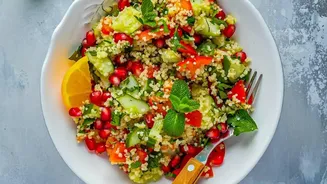
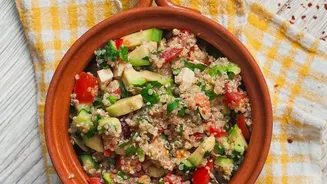
If you're short on time, bulgur is your best friend. It is a parboiled, dried, and cracked whole wheat, meaning it cooks in as little as 10-12 minutes—often just requiring a soak in hot water. Most famously used in tabbouleh, its fine texture and quick preparation make it what some call the 'pasta of the Middle East'. Bulgur has a mild, nutty flavour that readily absorbs dressings and the juices of other ingredients. Toss it with finely chopped parsley, mint, tomatoes, cucumber, and a bright lemon and olive oil dressing for a classic, refreshing grain salad that's ready in minutes.
Quinoa: The Versatile, Protein-Packed Seed
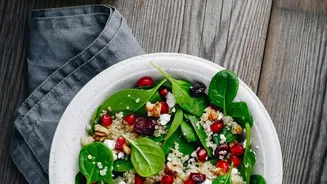
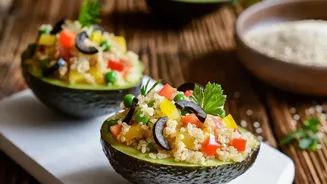
Though originally from South America, quinoa has been enthusiastically adopted into modern Mediterranean-style cooking for good reason. Technically a seed, it's treated as a grain and is celebrated for being a complete protein, containing all nine essential amino acids. Quinoa cooks quickly and has a light, fluffy texture that doesn't weigh salads down. Its mild flavour makes it incredibly versatile, working well with everything from chickpeas and bell peppers to Kalamata olives and crumbled feta. For a nuttier flavour, try toasting the dry quinoa in a skillet for a few minutes before cooking.
Barley: A Nutty and Satisfying Choice
Barley is a wonderfully chewy and satisfying grain with a flavour profile similar to nuts. It’s particularly high in a type of soluble fibre called beta-glucan, which is known for its positive effects on appetite and insulin sensitivity. When shopping, look for 'whole-grain' or 'pot' barley rather than 'pearled' barley, as the latter is more refined. Its robust texture makes it a perfect candidate for make-ahead salads, as it won’t become soggy. Pair it with crunchy vegetables like celery and radish, or sweet elements like dried fruit and nuts, to create a salad with contrasting textures.
Tips for Perfect Grain Salads
To get the most out of your Mediterranean grain salads, keep a few tips in mind. First, always cook your grains in salted water for better flavour. Once cooked, spreading the grains on a baking sheet to cool prevents them from clumping together. Don’t be afraid to make a big batch at the start of the week; most grain salads keep well in the refrigerator for several days, and the flavours often improve over time. Finally, use a simple vinaigrette made with extra virgin olive oil and lemon juice or red wine vinegar to let the fresh ingredients shine.