





High-Level Coordination and Monitoring
The Centre's response began at the highest levels, with Union Home Minister Amit Shah speaking directly with the chief ministers of Bihar and Uttar Pradesh to assure them of all possible central assistance. A multi-ministry team, including officials from
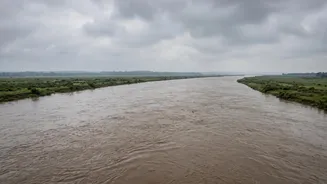
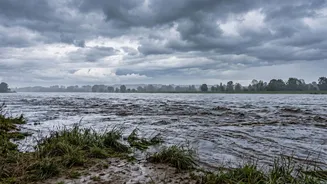
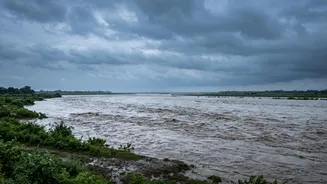
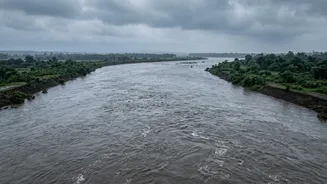
the Home Affairs, External Affairs, Jal Shakti, and Defence ministries, is continuously monitoring the situation. This coordinated oversight ensures that intelligence from various agencies is pooled to create a clear picture of the evolving threat. The Central Water Commission (CWC) is playing a pivotal role, tracking the flood wave as it moves from Nepal downstream into India. This real-time monitoring allows for timely warnings and data-driven decision-making.
Activating a Joint Warning System
A critical component of the protective measures is the established bilateral mechanism between India and Nepal for flood management. The CWC issued an advisory based on data showing a sudden rise in water levels in Nepal's Trishuli river, which flows into the Gandak. This information was immediately shared with state authorities in Bihar and UP, advising them to remain on high alert and closely watch the situation along the Gandak river. This system relies on joint committees that focus on flood forecasting, inundation management, and the operation of shared water projects like the Kosi and Gandak barrages, ensuring that critical data is exchanged swiftly. This early warning allows local administrations precious time to act.
Pre-emptive Deployment of NDRF
Anticipating the need for on-the-ground action, the Centre has put the National Disaster Response Force (NDRF) on high alert and pre-emptively deployed teams to vulnerable districts. In total, 20 teams have been deployed across Bihar and Uttar Pradesh for flood rescue operations. In Bihar, nine NDRF teams are stationed, with units specifically sent to at-risk districts like West Champaran and Muzaffarpur. Similarly, in Uttar Pradesh, 11 teams are deployed, with an additional unit positioned in Kushinagar district due to its proximity to the Gandak river. These teams are equipped for rescue and relief, and additional units are on standby to be airlifted if the situation worsens.
Infrastructure Management and Local Alerts
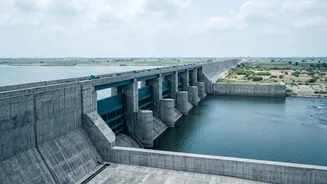
Managing water infrastructure is key to controlling the flow of floodwaters. In Bihar, authorities have opened all 36 gates of the Valmikinagar barrage on the Gandak river to allow the excess water to pass through safely. This controlled release is a crucial structural measure to prevent breaches in embankments. Beyond infrastructure, the Centre's advisories have prompted state and district administrations to take direct action. Local authorities in both states have begun evacuating people from low-lying, vulnerable areas and are using public announcement systems to urge residents to move to safer locations. The Sashastra Seema Bal (SSB), which guards the border, has also been put on alert to assist with relief and rescue operations.
Humanitarian Assistance for Nepal
While protecting its own states, the Centre is also extending significant support to Nepal. Prime Minister Narendra Modi and External Affairs Minister S. Jaishankar have both affirmed that India stands in solidarity with Nepal. India has already dispatched the first tranche of aid, sending 10 tonnes of Humanitarian Assistance and Disaster Relief (HADR) supplies, including essential medicines, via an Indian Air Force C-130J aircraft. The Indian Embassy in Kathmandu has set up emergency helplines and is coordinating with Nepalese authorities to trace and rescue hundreds of missing people, including over 100 Indian tourists. This assistance is not only a diplomatic gesture but also helps stabilise the situation at the source of the floods.