

The Search for Authenticity
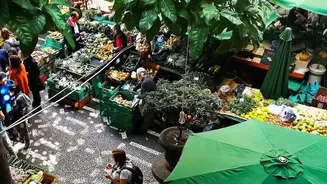
Modern travellers are increasingly seeking genuine, unfiltered glimpses into the daily lives of others. After years of curated tourist attractions and picture-perfect social media feeds, there's a growing desire for reality. A local supermarket or neighbourhood
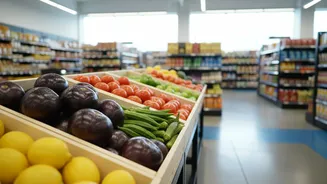
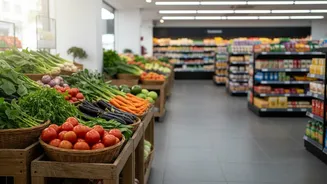
market offers just that—an unscripted look at how people actually live, eat, and shop. It reveals what families consider staples, what's in season, and what constitutes a weekday treat. Unlike a museum, a grocery store isn't performing for tourists; it’s a living, breathing part of the community, and its indifference to visitors is precisely what makes it feel so authentic.
A More Immersive Culinary Journey
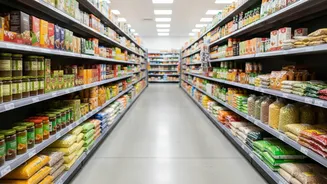
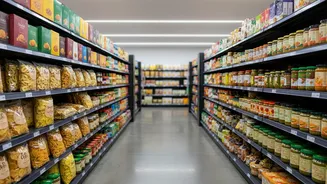
Culinary tourism has evolved beyond just eating at famous restaurants. While fine dining has its place, a deeper connection is often forged by exploring the building blocks of a cuisine. Walking through the aisles of a supermarket in another country is like browsing a library of its flavours. You can see the sheer variety of local pasta in Italy, discover unique avocado types in Vietnam, or compare dozens of chilli sauces in Mexico. This experience provides a hands-on education in local ingredients and food priorities that a restaurant menu can only hint at. For many, sampling local food is the best way to understand a culture.
The Social Media Effect
Social media platforms have turned the once-mundane supermarket aisle into a visually compelling destination. TikTok hauls from Japanese convenience stores, Instagram posts of colourful French cheese counters, and videos of exotic snacks have transformed grocery shopping into shareable content. This digital word-of-mouth inspires others to seek out these experiences, creating a cycle of discovery. Influencers and everyday travellers alike showcase their finds, framing a supermarket visit as a treasure hunt for unique and interesting products that you can’t get back home.
Practicality Meets Experience
The rise of rental accommodations with kitchens, like those on Airbnb, has also played a significant role. Having a kitchen turns a grocery run from a necessity into an opportunity. Travellers can experiment with local ingredients, trying their hand at cooking a regional dish. This is not just about saving money on dining out; it's about actively participating in the local food culture. Furthermore, supermarkets are accessible to everyone, regardless of budget or itinerary. There are no tickets, no queues, and no need for reservations, making it a low-cost, high-impact travel activity.
Edible Souvenirs and Lasting Memories
Travellers are rethinking what makes a good souvenir. Instead of trinkets that gather dust, they are bringing home edible mementos that allow them to relive their trip. A particular brand of tea, a unique spice blend, or a favourite snack can transport you back to your travels long after you've returned. According to a Booking.com report, 26% of travellers feel that local food products help them reconnect with the destination experience back home. This practice also supports local producers and brands, adding another layer of meaningful connection to the places we visit.