





The Unseen Risks of Damp Clothes
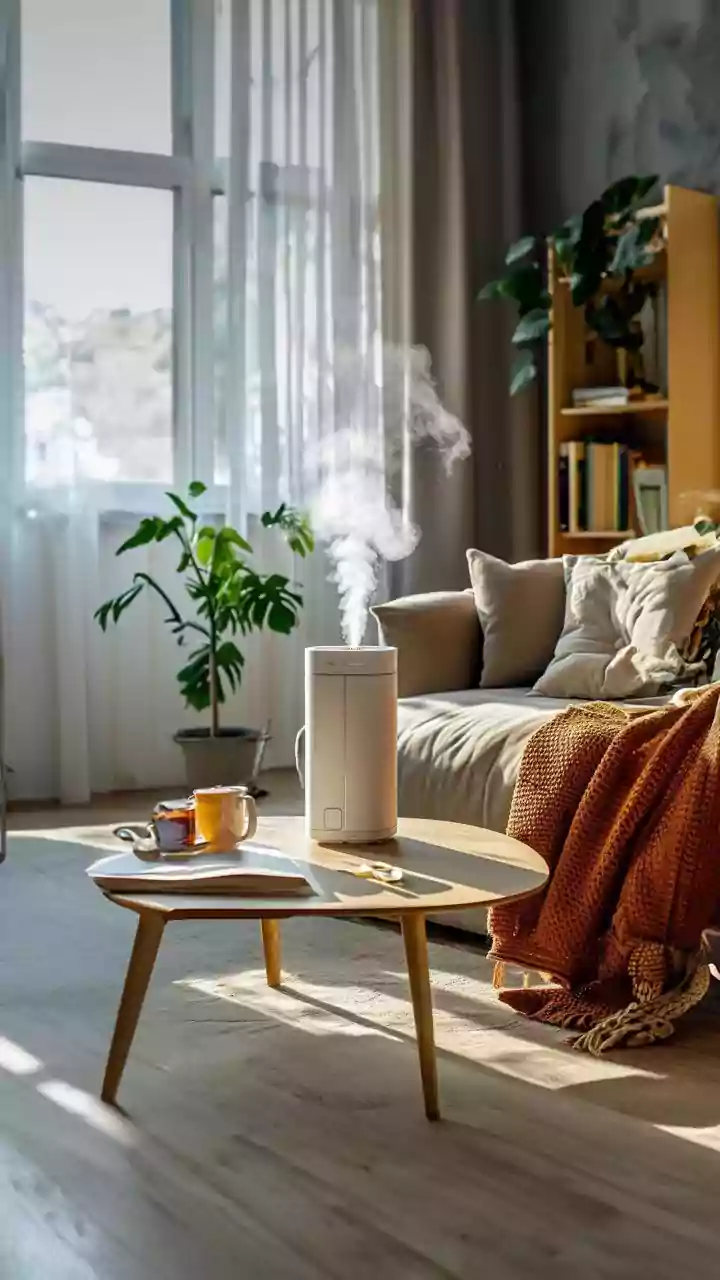
When you hang a load of wet laundry inside, you’re releasing a significant amount of water into the air—sometimes up to two litres per load. This spike in moisture can raise the humidity in a room by up to 30%, creating the perfect breeding ground for
mould and dust mites. These allergens can trigger coughing, wheezing, and other respiratory issues, especially for those with asthma or weakened immune systems. In some cases, exposure to specific mould spores like Aspergillus fumigatus, which thrive in damp conditions, can lead to more serious lung infections. It’s not just about a musty smell; it’s about the quality of the air you breathe every day.
Why Your Home Suffers Too
Beyond the health implications, constant high humidity from indoor drying can take a toll on your home. You might notice condensation on windows and walls, which is a clear sign of excess moisture. Over time, this can lead to peeling paint, warping wooden furniture, and stubborn damp patches that are difficult and costly to fix. That persistent musty odour that clings to fabrics and furnishings is often the first indication that mould or mildew has started to grow in unseen corners, behind wardrobes or in wall cavities. Protecting your home means controlling the indoor environment, and managing laundry moisture is a huge part of that.
The Power of Airflow: Your Fan’s New Job
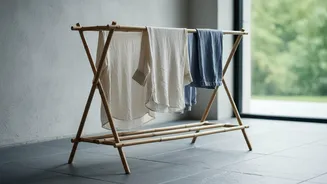
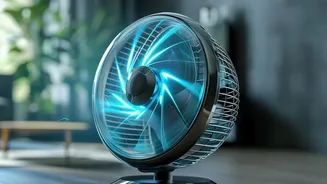
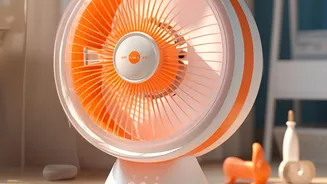
The single most effective way to combat these issues is to improve air circulation, and a simple fan can be your best tool. Air movement is more critical than heat for drying clothes indoors. Instead of just hanging clothes and hoping for the best, place a pedestal or table fan pointed towards your drying rack. This keeps air flowing over the fabric, wicking away moisture and dramatically speeding up the drying process. Even a ceiling fan can be effective. For best results, ensure there is some ventilation. If it’s not raining heavily, cracking a window open allows the moist air to escape and fresh, drier air to enter.
Harnessing Your Kitchen or Bathroom Exhaust
Your bathroom and kitchen exhaust fans are designed for one primary purpose: to pull moist air out of the room. This makes them incredibly useful for drying clothes. If you need to dry a few items quickly, hang them in the bathroom after a shower and run the exhaust fan for an hour. The fan will draw out both the steam from the shower and the moisture from the clothes. For this to work effectively, the room needs a source of replacement air, so leave the bathroom door slightly ajar. This method contains the moisture to a single, well-ventilated space, preventing humidity from spreading throughout your home.
Smarter Drying Habits for Better Results
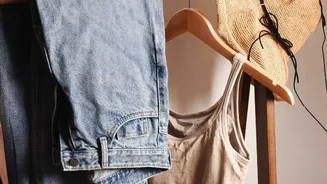
Beyond fans, a few changes to your routine can make a big difference. First, use the highest spin cycle on your washing machine to remove as much excess water as possible before hanging. When placing clothes on the rack, give each item space; don't let them touch. Overcrowding traps moisture and slows down drying significantly. Hang heavier items like jeans and towels on the outside of the rack where airflow is best. If possible, do smaller loads more frequently rather than one massive load that overwhelms your drying space and your room's air quality.
Safety First, Always
While using fans and exhaust systems is practical, safety is paramount. Never place electric fans or heaters directly under dripping clothes. Ensure all electricals are on a stable surface, away from any potential water puddles. Avoid overloading extension cords or power sockets. If using an exhaust fan, make sure it is clean and functioning correctly to prevent fire hazards. Finally, never place a drying rack directly against a heater, and keep all flammable materials at a safe distance. A well-ventilated setup is a safe setup.