




Beyond the Big Lifts
In the world of fitness, it's easy to get fixated on the big, obvious numbers: the weight on the barbell, the kilometres on the treadmill, or the number on the weighing scale. While these are valid metrics, they don't tell the whole story. True progress
is a much broader concept, and some of the most meaningful gains are the ones that happen quietly. Focusing only on personal bests can lead to frustration and burnout, especially when you hit a natural plateau. The key to long-term success and motivation is learning to recognise the other, more subtle signs that your body is adapting, getting stronger, and becoming more efficient.
The Power of More Repetitions
Imagine you’ve been bench-pressing 50 kg for eight repetitions for a few weeks and can't seem to lift heavier. It might feel like you're stuck. But then, one day, you manage to push out a ninth rep, and the week after, a tenth. This is clear, measurable progress. Increasing the number of repetitions you can perform with the same weight is a fundamental principle of progressive overload. You're increasing your total work volume, which stimulates muscle growth and endurance. It's a sign that your muscles are becoming more resilient and efficient. Don't dismiss the victory of doing one more rep with good form; it’s a direct indicator that you are getting stronger.
Mastering Movement Control
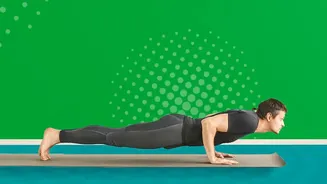
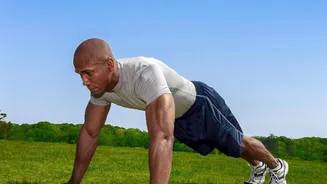
Progress isn't always about quantity; it's often about quality. Improving your control and form during an exercise is a huge sign of advancement. When you first start, your movements might be shaky or imprecise. Over time, your brain and muscles get better at communicating, an effect known as neuromuscular adaptation. This improved 'mind-muscle connection' allows you to perform exercises with greater stability, precision, and a better range of motion. Maybe your squats are deeper, your push-ups are cleaner, or you no longer wobble during a lunge. This enhanced control not only makes your workouts more effective but also significantly reduces your risk of injury.
The Speed of Recovery
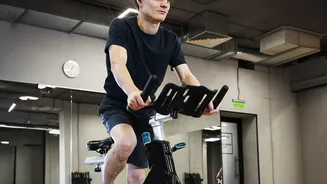
One of the most overlooked but significant signs of increased fitness is how quickly your body recovers. Remember when a tough workout left you sore for days? If you're now bouncing back in 24 to 48 hours, your body has become much better at repairing itself. This happens on two levels. During your workout, you might notice your heart rate returning to normal faster between sets, a clear sign of improved cardiovascular health. After your workout, reduced muscle soreness and fatigue mean your muscles are adapting to the stress of exercise more efficiently. Faster recovery allows you to train more consistently and with greater intensity, creating a positive cycle of gains.
Everyday Life Feels Easier
Perhaps the most rewarding sign of progress is when your efforts in the gym translate into everyday life. Suddenly, carrying heavy groceries up the stairs feels less like a chore. You have more energy to play with your kids after a long day at work. You're sleeping more soundly and waking up feeling rested. These are not small things; they are life-changing benefits. Exercise improves your mood, boosts energy levels, and reduces stress. When you feel stronger, more energetic, and more capable in your daily activities, it's undeniable proof that your hard work is paying off in the most practical ways possible.