

Understanding the Microplastic Problem
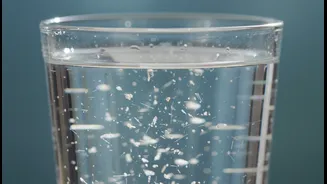
Microplastics are tiny plastic particles, less than five millimeters in size, that break off from larger plastic products. They have infiltrated every corner of the environment, from the deepest oceans to the food we eat. While research into the long-term
health effects on humans is ongoing, studies have detected these particles in human blood, lungs, and other organs, raising concerns about their potential impact. These particles can enter our diet through contaminated seafood, packaged goods, and even from the kitchen tools we use every day.
Rethink Your Food Storage
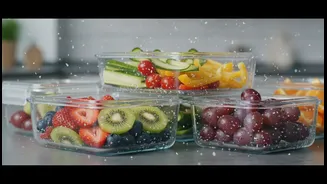
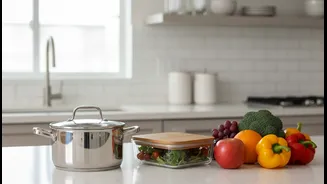
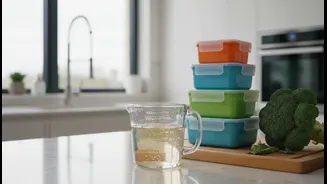
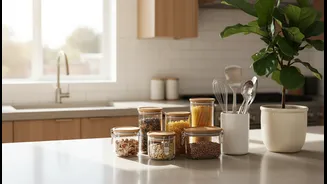
One of the most significant sources of microplastics is plastic food containers. Heating food in plastic, especially in a microwave, can cause millions of micro- and even smaller nanoplastic particles to leach into your meal. Experts strongly advise against microwaving food in any plastic container. The best practice is to store leftovers in glass, stainless steel, or ceramic containers. When you need to reheat food, transfer it to a microwave-safe plate or bowl made of these materials. For wrapping food, consider alternatives to plastic cling film, such as beeswax wraps or aluminum foil.
Choose Your Cutting Board Wisely
Your trusty plastic cutting board could be a major, overlooked source of microplastics. Studies have shown that every time a knife cuts into a plastic board, it can shed thousands of particles directly into the food being prepared. One study estimated that a person could be exposed to tens of millions of microplastic particles annually from a chopping board alone. The safer alternative recommended by experts is to switch to a solid wood or bamboo cutting board. These materials are durable, can be long-lasting if maintained properly, and do not pose a risk of plastic contamination.
Swap Out Plastic Utensils
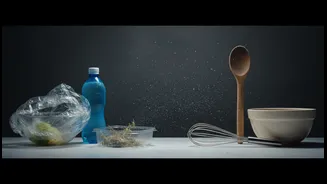
Just like containers and cutting boards, plastic cooking utensils like spatulas, ladles, and spoons can degrade over time, especially when exposed to heat. This degradation can release plastic particles into your cooking. This is a particular concern with black plastic utensils, which are sometimes made from recycled electronic waste and can contain other harmful chemicals. To minimize this risk, opt for utensils made from stainless steel, wood, or bamboo. Similarly, avoid non-stick pans with scratched or flaking surfaces, which can release particles, and choose stainless steel or cast-iron cookware instead.
Re-evaluate Your Drinking Water
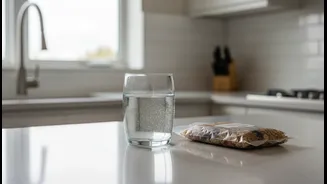
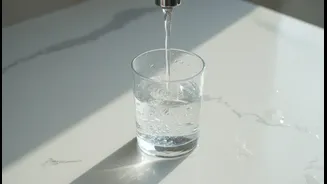
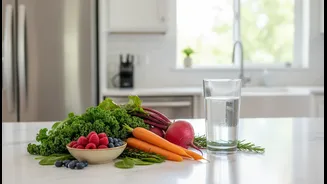
While we often think of bottled water as purer, research indicates it can contain significantly more microplastics than tap water, often due to particles shed from the bottle and cap. Studies have found that people who primarily drink bottled water may ingest substantially more microplastics per year. A simple way to reduce this exposure is to drink tap water. To further improve quality, you can use a water filter, either a pitcher-style one or a filter attached directly to your tap. When you are on the go, carrying water in a reusable glass or stainless steel bottle is the best option.
Be Mindful of Packaging
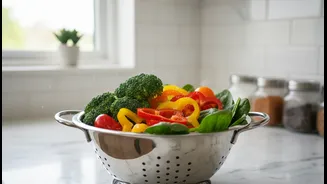
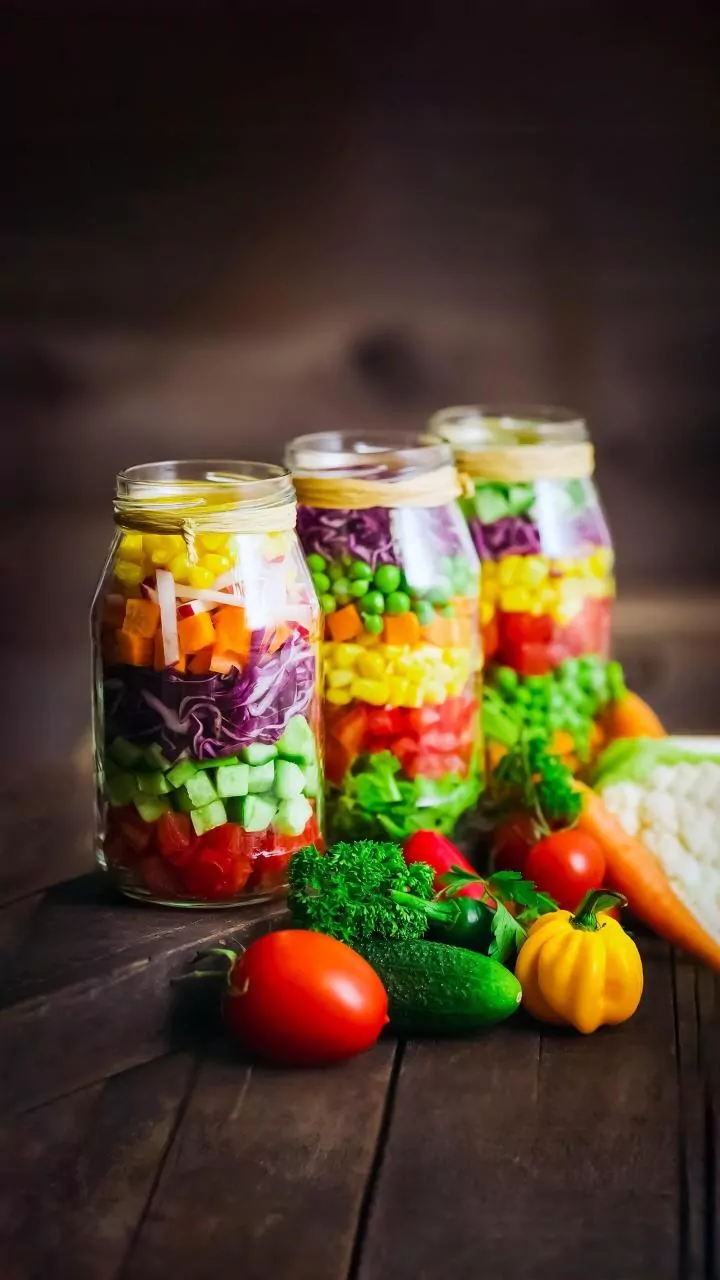
Beyond kitchenware, modern food systems rely heavily on plastic packaging. Highly processed foods often come in multiple layers of plastic, increasing the chances of contamination. Whenever possible, choose fresh, whole foods with minimal packaging. Opt for loose fruits and vegetables instead of those pre-packaged in plastic bags or containers. When buying staples like spices, oils, or milk, look for options sold in glass, metal, or cardboard containers. Reducing your reliance on single-use plastics not only lowers your personal exposure but also helps decrease the overall environmental burden of plastic waste.