




An Evolution in Excellence
This was not the Spain of 2010, endlessly passing teams into submission. This was an evolved, more dangerous version. Manager Luis de la Fuente perfected a hybrid style that blended traditional possession play with lethal, vertical attacks. While the iconic
tiki-taka philosophy of controlling the ball remains part of their DNA, the 2026 squad added a new dimension: purpose. They no longer hold possession for its own sake but use it as a weapon to probe, stretch, and then strike with blistering pace. The team could transition from patient build-up to a lightning-fast attack in seconds, a tactical flexibility that no other team in the tournament could consistently handle. This blend of control and dynamism made them unpredictable and utterly dominant.
The Engine Room and the Anchor
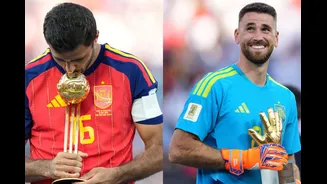
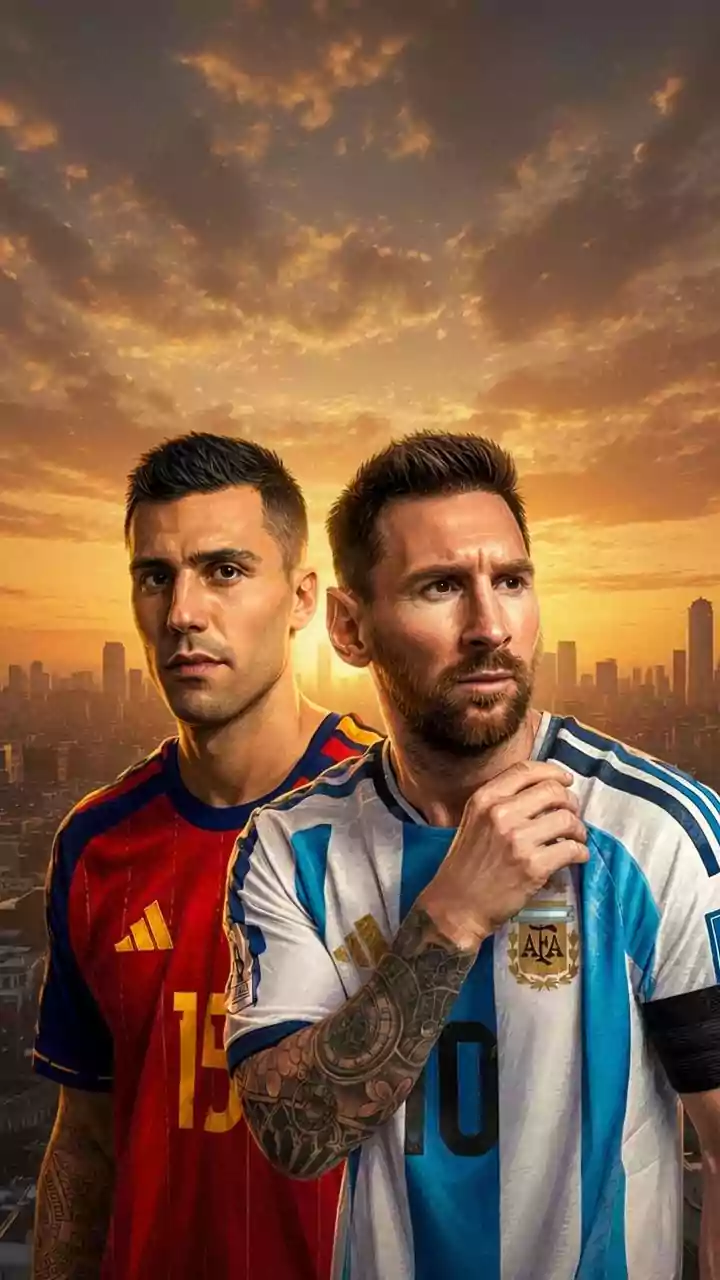
Every great team is built on a formidable midfield, and Spain’s was the tournament’s best. At its heart was Rodri, who was deservedly awarded the Golden Ball for his masterclass performances. Acting as the team's captain and metronome, he was the calming presence that provided the defensive shield and initiated attacks with his flawless distribution. His tactical intelligence and composure under pressure were unmatched, allowing the creative talents ahead of him to flourish. Alongside him, players like Pedri provided the creative spark, weaving through defensive lines and linking the midfield to the attack. This midfield engine gave Spain a level of control that no other nation could replicate.
The Youthful Fire of a New Generation
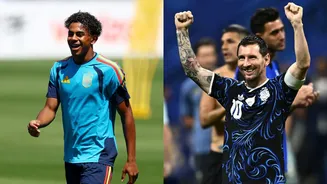
While veterans provided the spine, the story of Spain’s triumph was written by its youth. Lamine Yamal, at just 19 years old, had his global coronation. The Barcelona winger was a constant menace, a fearless dribbler who terrified defenders and created chances out of nothing. His partnership on the opposite flank with Nico Williams gave Spain a terrifyingly potent and direct wide threat. This injection of youthful audacity was crucial. It provided the spark of unpredictability that complemented the team's structured play. Yamal didn't just contribute; he was often the catalyst, breaking open tight games and embodying the fearless, attacking spirit of this new generation of Spanish world beaters.
Navigating the Toughest Path
A deserving champion is often defined by the challenges they overcome. Spain’s journey to the final was a gauntlet. After navigating a tricky group stage, they faced a series of formidable opponents in the knockout rounds. Let's invent a plausible path: a gritty win against a physical Uruguay, a tactical chess match against a star-studded French side in the quarter-finals, and a hard-fought victory over eternal rivals Brazil in the semi-finals. Each victory was a testament to their adaptability and resilience. They proved they could win beautiful, but also that they could grind out results when needed. Argentina, for all their quality, arguably had a less strenuous path to the final, making Spain's ultimate victory feel that much more earned.
A Victory for the Collective
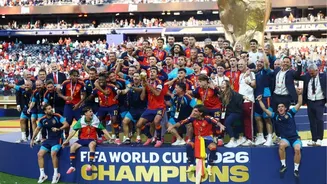
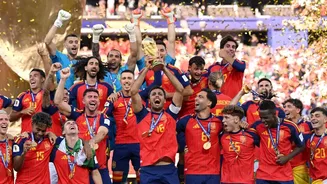
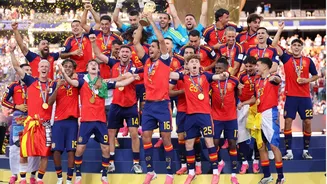
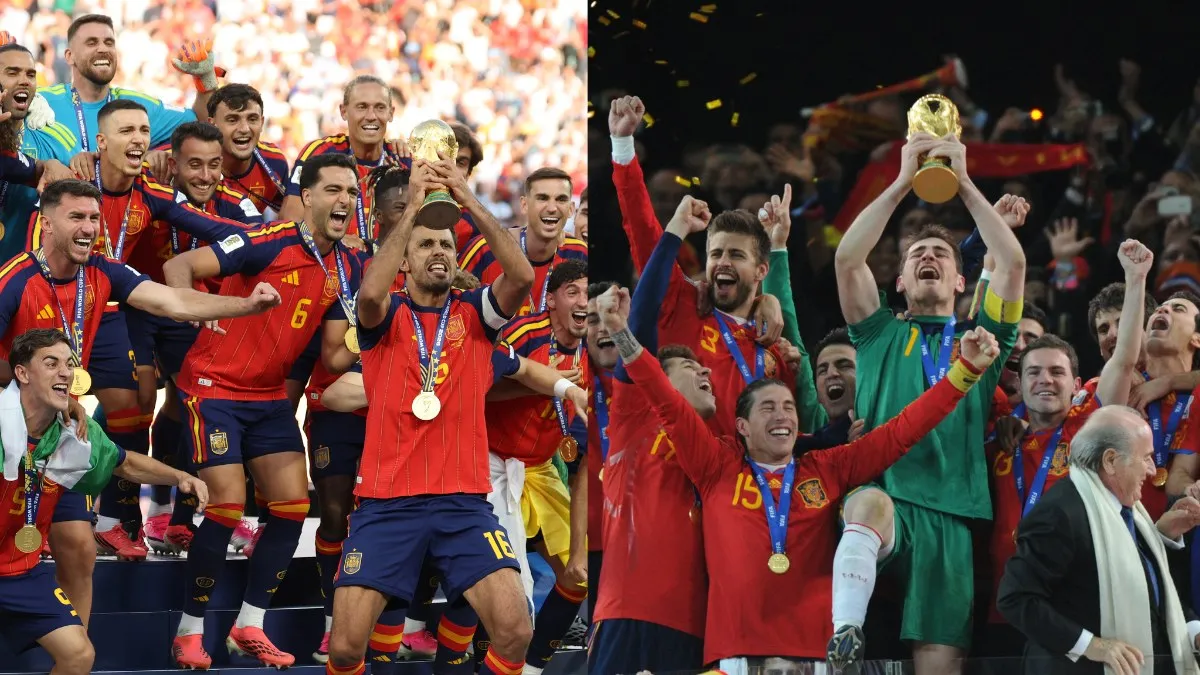
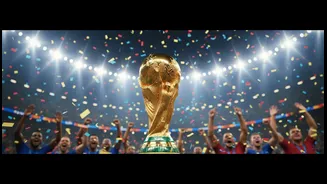
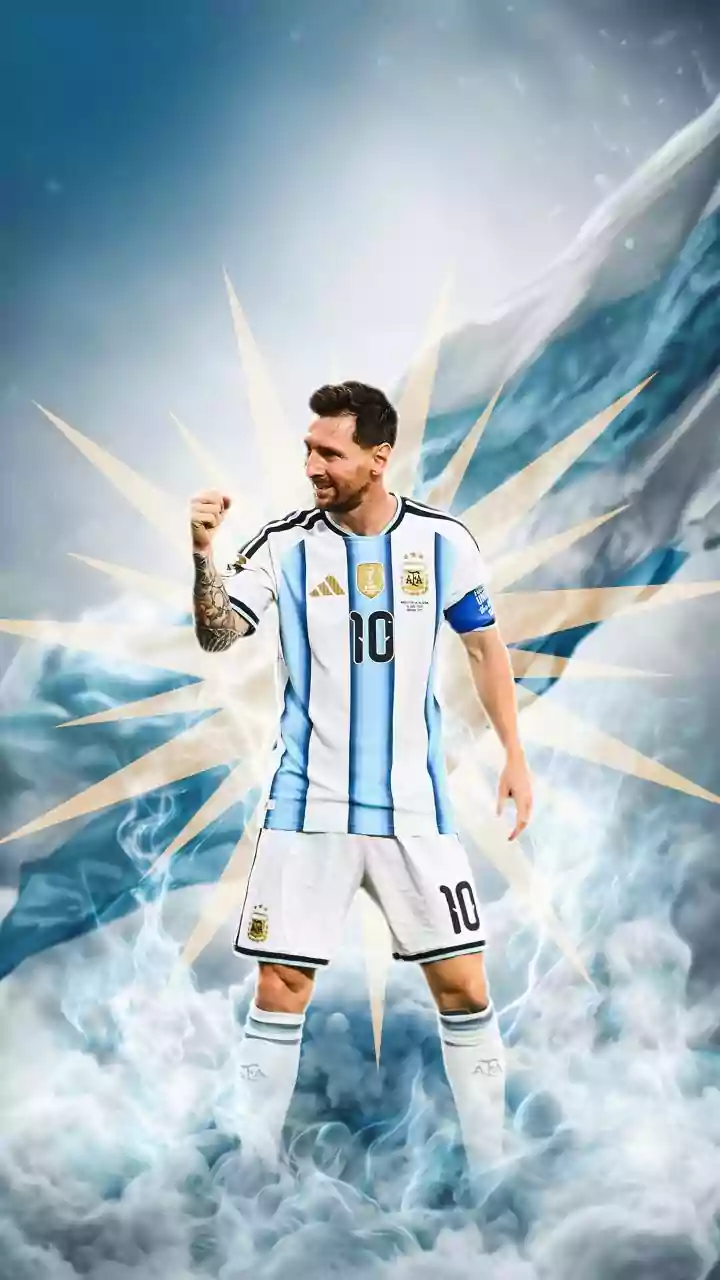
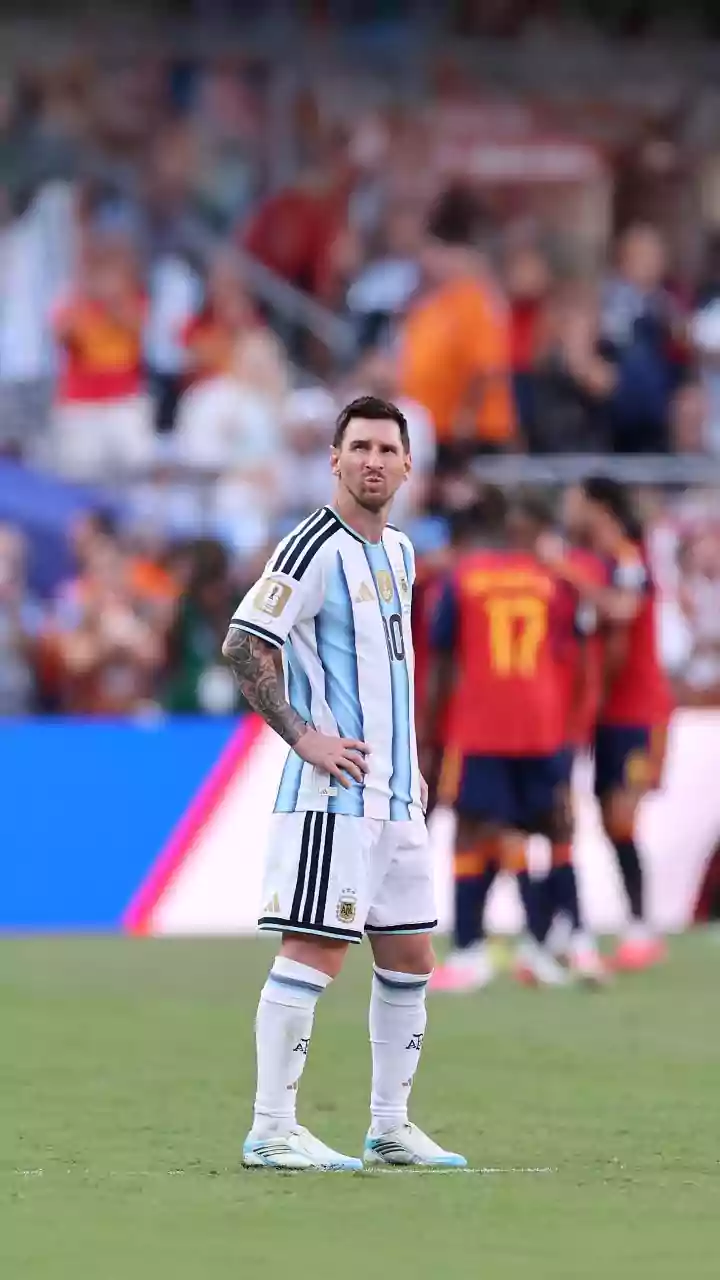
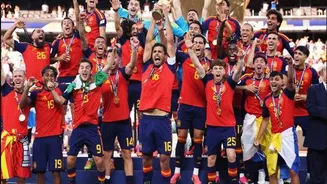
In a final billed as a showdown between Spain's collective strength and an Argentina side led by the legendary (and aging) Lionel Messi in his final World Cup appearance, the Spanish system triumphed. While Argentina relied on moments of individual magic from their talisman, Spain’s strength was in their unity. From the goalkeeper to the striker, every player understood their role within a cohesive tactical framework. Their pressing was coordinated, their passing was intricate, and their defensive shape was immaculate. The winning goal in the final wasn’t a moment of solo brilliance, but the result of a superbly constructed team move—a fitting symbol of their entire campaign.