






The Big Picture: What's Changing?
In a significant policy shift in mid-2026, the Thai cabinet approved a revision of its visa regulations to balance tourism growth with national security. The previous, more generous 60-day visa exemption scheme, which was available to travellers from
93 countries, has been withdrawn. This has been replaced by a more streamlined, multi-tiered system. The primary goal is to create a clearer “one country, one entitlement” policy, eliminating overlapping privileges and preventing misuse of tourist visas for non-tourism activities. These new rules are set to take effect 15 days after their official publication in the Royal Gazette. Travellers who enter Thailand before the changes are implemented will still be able to stay for the duration granted upon their arrival.
Good News for Indian Tourists
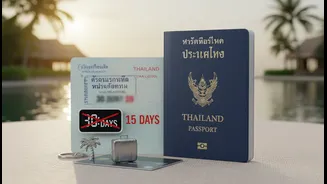
After some confusion caused by the initial announcement, there is clarity for Indian passport holders: visa-free entry to Thailand will continue. Following concerns that a plan to scrap visa-free entry was causing a drop in arrivals from India, a key tourist market, the government confirmed its continuation. However, there's a crucial change in the duration. Under the new rules, Indian tourists will be granted a 30-day visa-exempt stay. This is a reduction from the previous 60-day period but maintains the convenience of not needing a visa in advance for short holidays. This move also means that the separate Visa on Arrival (VoA) option for India will be withdrawn to avoid overlapping privileges.
Planning a Longer 'Workcation'? Meet the DTV
For those dreaming of a longer stay, whether for remote work or cultural immersion, Thailand has introduced the 'Destination Thailand Visa' (DTV). Often called a 'digital nomad visa', the DTV is a game-changer for long-term visitors. It is valid for five years with multiple entries, and each entry allows a stay of up to 180 days. This stay can be extended once for another 180 days within Thailand, potentially allowing for a stay of nearly a year. To be eligible, applicants must be at least 20 years old and show proof of sufficient funds—typically a bank balance of at least 500,000 THB. The visa fee is around 10,000 THB. It is designed for remote workers with foreign employers and those engaging in activities like Muay Thai or cooking classes.
Your Pre-Travel Checklist
Regardless of your visa type, some rules remain constant for all travellers. First, your passport must be valid for at least six months from your date of entry into Thailand. You should also be prepared to show a confirmed return or onward travel ticket. Immigration officers may also perform random checks and ask for proof of funds, so it's wise to carry sufficient cash or have access to it. Another mandatory step for all foreign visitors is completing the Thailand Digital Arrival Card (TDAC) online. This must be done within 72 hours before your arrival and is available for free on the official Thai Immigration website.