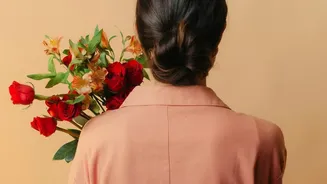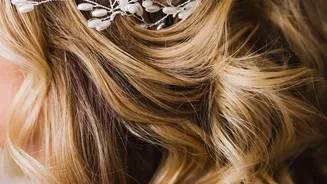




An elegant updo can elevate any look, but they often seem too complicated for everyday styling. The good news is that with a few simple tricks, a chic and stable updo is achievable for everyone, regardless of your hair type or length.
The Foundation for Any Updo
Before you start
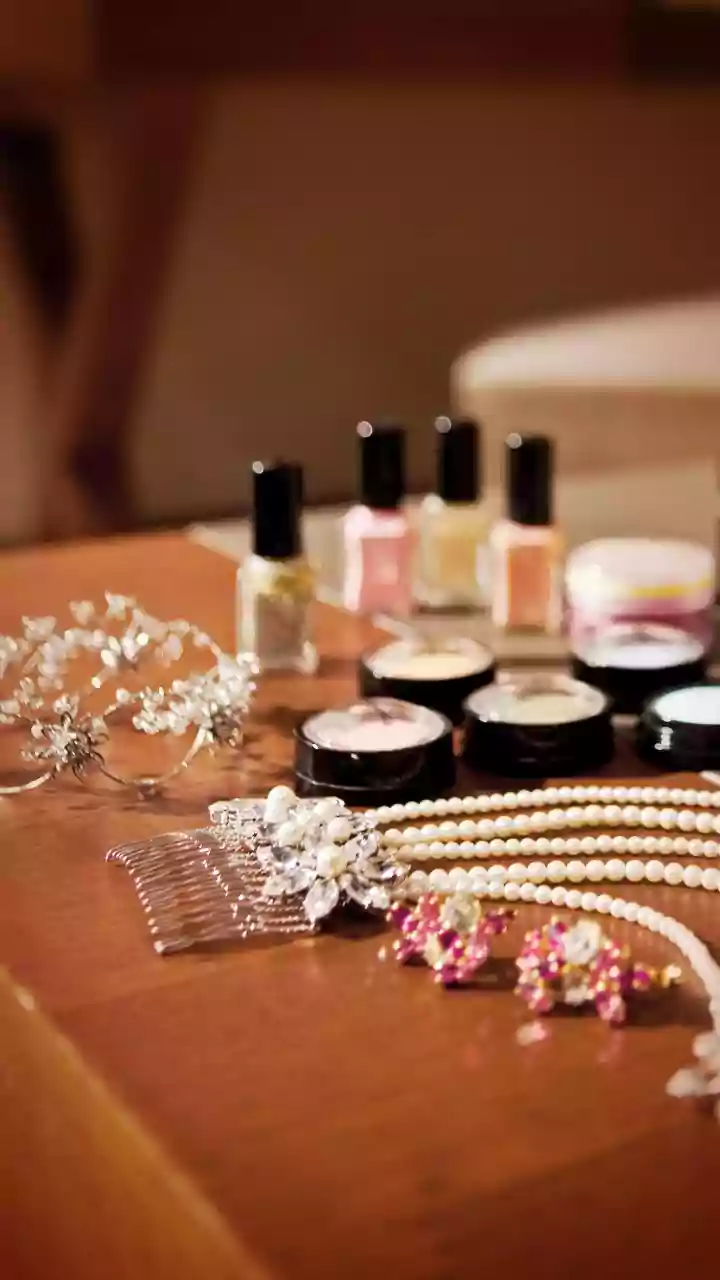
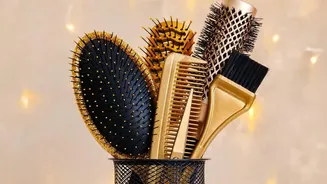
twisting and pinning, a little prep work goes a long way. Most hairstylists agree that updos hold best on hair that isn't freshly washed. Day-old hair has more grip and texture, making it less slippery and easier to style. If your hair is too clean and soft, a spritz of dry shampoo or texturizing spray can add the necessary grit. You will also want to have the right tools on hand: a good brush, a comb for sectioning, clear elastics or hair ties, bobby pins that match your hair colour, and a reliable hairspray for the final hold. For certain styles, a teasing comb or a hair donut can also be invaluable for creating volume.
For Fine or Thin Hair: Create Volume
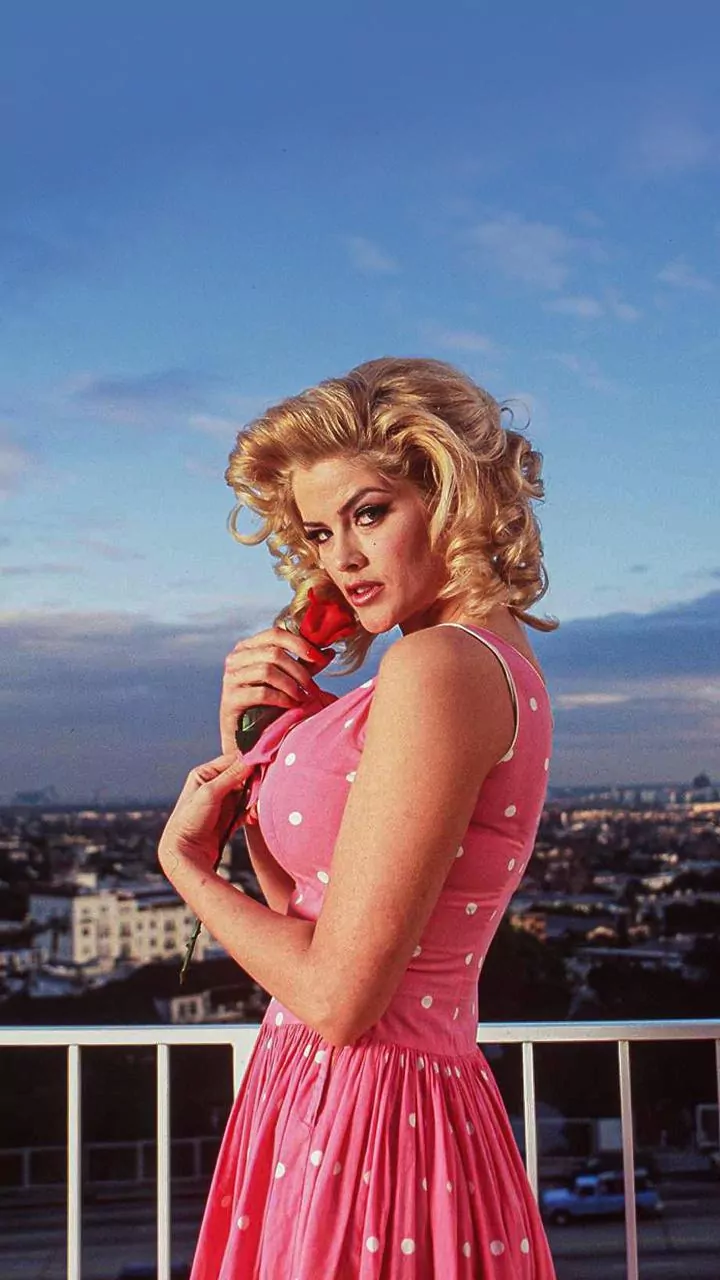
The biggest challenge for fine hair is creating volume and ensuring the style doesn't fall flat or slip out. The key is to build texture and use styles that give the illusion of more hair. A 'triple bun', where you create three small, low ponytails and twist them into buns, can make hair appear much fuller. Another great technique is twisting sections of hair before pinning them, as this creates pockets of air and visual thickness. When creating a bun, like a classic chignon, consider gently teasing the hair at the crown first. A messy bun is also an excellent choice, as pulling out a few face-framing strands and loosening the bun itself gives a softer, more voluminous look that is very forgiving for thinner hair.
For Thick or Heavy Hair: Secure and Control
While thick hair offers plenty of volume, its weight can be a challenge, causing updos to collapse. The secret is structure and support. Braids are a fantastic tool; a braided crown or incorporating braids into a bun helps distribute the weight and secure the hair firmly. When making a classic bun, using a hair donut or 'sock bun' method provides a sturdy base to wrap your hair around. For very thick hair, you may need extra-strong bobby pins and a firm-hold hairspray to keep everything in place all day. Dividing the hair into sections before styling, such as creating two separate ponytails and then combining them into one updo, can also make it more manageable.
For Curly and Textured Hair: Embrace Natural Form
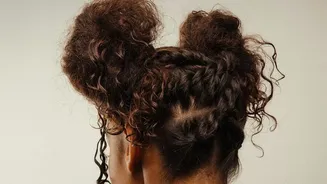
Curly hair has fantastic natural volume and texture, making it perfect for romantic and seemingly intricate updos. The goal is to work with your curls, not against them. A 'pineapple' updo, where you gather your curls into a high, loose ponytail on top of your head, is a quick and stylish option. For a more elegant look, try a twisted halo or a side-swept style where you gather and pin curls to one side. A classic French twist or 'banana' updo also looks wonderful with curls, as the natural texture adds a playful and less severe finish. To ensure your curls stay defined and don't become frizzy, it's best to style them when they are dry and prepped with a curl-defining product.
For Straight and Silky Hair: Add Grip
Straight, silky hair tends to be slippery, making it difficult for pins and styles to hold. The solution is to create artificial texture before you begin. Using products like mousse, sea salt spray, or texturizing powder will give your hair the necessary grip. Sleek styles like a high, polished bun or a minimalist low_knotted bun work well with this hair type. Another effective style is the 'twisted bun', where you start with a ponytail, twist it tightly until it coils around itself, and then secure it. When using bobby pins, try spraying them with a bit of hairspray before inserting them for extra hold. For an even more secure placement, inserting pins in a crisscross pattern can help lock the style in place.