


Beyond the Surface: A New Definition of Depth
For years, modern Indian interior design leaned towards glossy finishes and a uniform, international aesthetic. But today, a growing number of homeowners and designers are seeking something more: depth. This isn't about dark colours or heavy furniture.
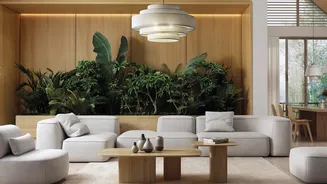
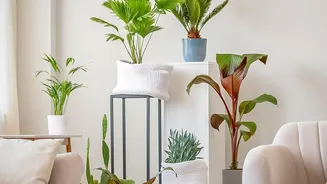
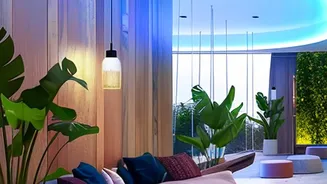
It’s about creating a sensory experience through texture, shadow, and story. The goal is to craft spaces that feel grounded, calming, and connected to nature. This movement, often linked to biophilic design, is a conscious departure from concrete jungles, aiming to create personal sanctuaries that promote well-being. It’s about interiors that you don't just see, but that you also feel.
The Tactile Appeal of Natural Materials
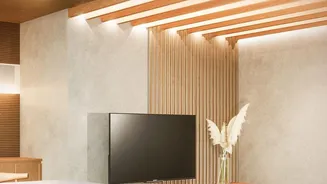
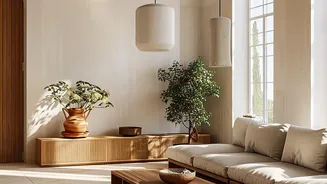
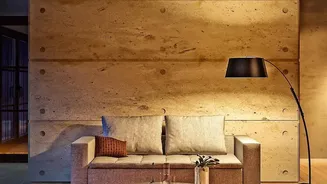
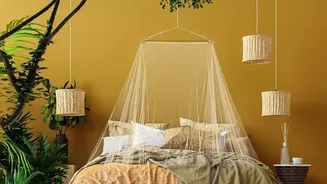
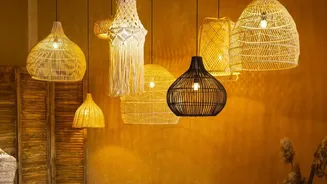
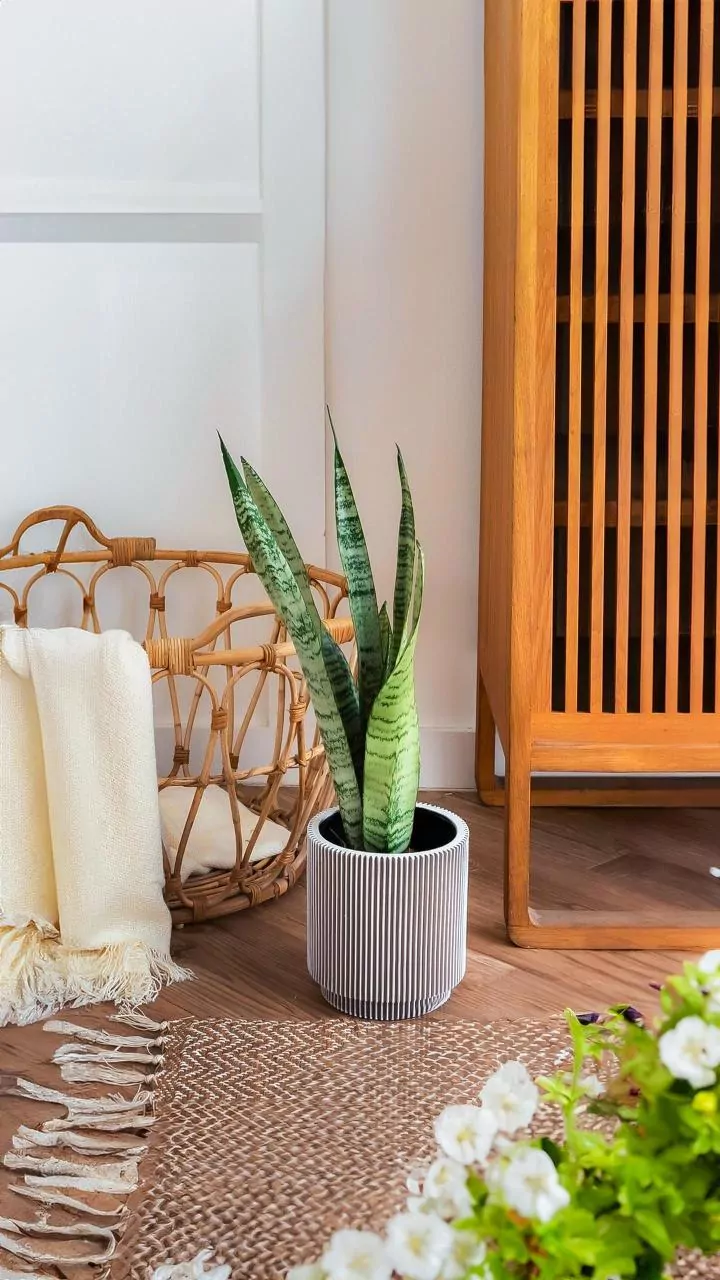
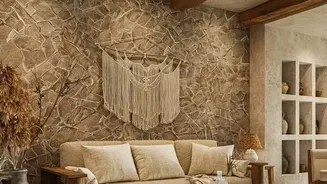
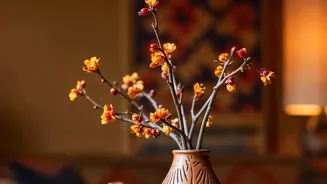
The foundation of this new depth lies in the materials being used. There is a clear and growing preference for eco-friendly, natural materials that bring the outdoors in. Materials like teak, rosewood, and bamboo are being celebrated for their warmth and durability, ideal for India's varied climates. Rattan and cane, once considered dated, are making a major comeback, appearing in everything from chairs and headboards to intricate partitions that play with light. These materials add a light, airy feel while providing rich texture. The palette extends to floors and walls with terracotta tiles, local stones like Kota and granite, and breathable lime plasters creating a soothing, earthy canvas. This embrace of natural textures is a return to traditional Indian practices, now being reinterpreted for contemporary living.
Painting with Light: The Art of Strategy
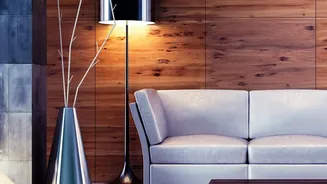
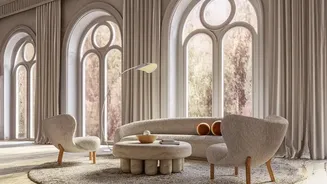
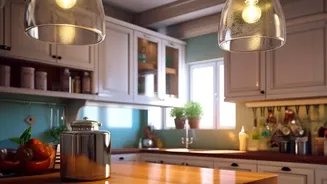
The second key element is a sophisticated approach to lighting. Gone are the days of a single, harsh overhead light. Today, designers are 'painting with light' by layering multiple sources to build atmosphere and function. This involves a combination of three main types of lighting. Ambient lighting, from sources like recessed lights or chandeliers, provides overall illumination. Task lighting offers focused brightness for activities like reading or cooking, using fixtures like table lamps or under-cabinet LEDs. Finally, accent lighting is used to highlight architectural details, artwork, or the texture of a stone wall, adding drama and visual interest. By using different layers, a room's mood can be transformed from bright and energetic to soft and intimate with the flick of a switch. This interplay of light and shadow is crucial for making the textures of natural materials truly pop, giving the entire space a dynamic, three-dimensional quality.
Why This Trend Is Resonating Now
This shift isn’t just about aesthetics; it’s rooted in a broader cultural movement. Homeowners are increasingly eco-conscious, seeking sustainable and long-lasting choices over mass-produced, synthetic options. There is also a renewed appreciation for local craftsmanship and materials, connecting homes to their cultural and geographical context. Furthermore, in our fast-paced, digital lives, the home has become a critical space for wellness and mental peace. The use of natural materials and thoughtful lighting helps create a calming environment that reduces stress and promotes a connection to the natural world. It is a move away from homes that are merely showcases towards homes that are nurturing, soulful, and truly liveable.