



The Age of the Visual Feast
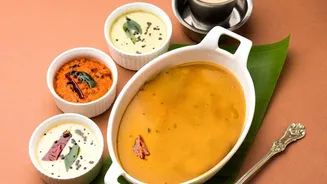
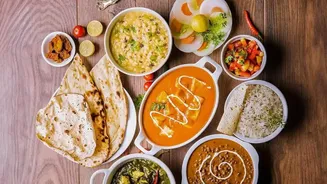
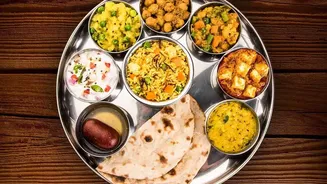
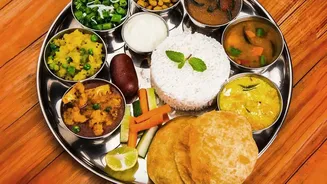
We've all been there: scrolling through social media, stopping at a vibrant, perfectly styled photo of a dish. The colours pop, the garnish is just so, and the lighting makes a simple plate of food look like a work of art. This is the age of 'Instagrammable'
food, where aesthetics often take centre stage. Restaurants design dishes for visual appeal, and home cooks strive to replicate these picture-perfect creations. While there's joy in creating and sharing beautiful food, this focus on the final image can sometimes flatten our appreciation for what truly makes a dish special. It prioritizes the destination over the journey, the snapshot over the story. After years of hyper-curated food content, many are beginning to seek something more genuine, craving the authenticity and humanity behind the meal.
The Soul Is in the Process
The true essence of many of India's most cherished regional dishes lies not just in a list of ingredients, but in the generations-old techniques used to prepare them. These methods are a form of culinary heritage, passed down through families and communities. Slow cooking, grinding spices by hand, and using specific types of cookware are not just steps in a recipe; they are practices that unlock deeper flavours and connect us to our history. When we rush the process or take shortcuts for the sake of a quick, pretty result, we risk losing the very character of the dish. The real magic happens in the waiting, the simmering, and the careful, patient transformation of simple ingredients into something extraordinary.
A Tale of Two Biryanis
Consider the Hyderabadi Dum Biryani, a celebrated icon of Indian cuisine. A quick, modern take might involve simply layering pre-cooked meat with boiled rice and baking it for a short time. The result might look like a biryani, with distinct layers and a colourful garnish, perfect for a photo. But it would lack the soul of the original. The authentic method, known as 'dum pukht', is a masterclass in patience and precision. The term itself comes from Persian, with 'dum' meaning 'to breathe' and 'pukht' meaning 'to cook'. In this technique, raw marinated meat is layered with partially cooked rice, herbs, and fried onions in a heavy-bottomed pot called a 'handi'. The pot's lid is then sealed shut with dough, creating an airtight environment.
Why the 'Dum' Truly Matters
This sealing of the pot is where the culinary magic unfolds. Placed on a very low flame, sometimes with hot coals on the lid for even heat, the biryani cooks slowly in its own steam. No moisture or aroma can escape. The meat becomes incredibly tender as it cooks in the yogurt-based marinade, releasing its juices, which are then absorbed by the rice above. The spices and herbs gently infuse every single grain, creating a symphony of flavour and fragrance that simply cannot be replicated with faster methods. This slow-cooking process allows the connective tissues in the meat to break down, while the trapped steam ensures the final dish is moist and aromatic. When the seal is finally broken at the table, the burst of fragrant steam is an experience in itself—the dish announces its arrival before it's even served.
Reclaiming the Authentic Kitchen
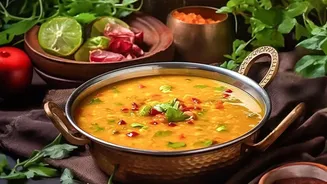
The story of dum pukht is a powerful reminder that in cooking, as in life, the process is often as meaningful as the outcome. It’s an invitation to slow down and appreciate the art of transformation. Embracing traditional methods doesn't mean rejecting modernity; it means understanding where true flavour comes from. It's about choosing to engage with the story behind your food, to feel the rhythm of a technique honed over centuries. Whether it's the slow simmering of a dal, the careful fermentation of a dosa batter, or the patient sealing of a biryani, these methods offer more than just a meal. They offer a connection to culture, a lesson in patience, and a far deeper, more rewarding culinary satisfaction.