







The Grams on the Label Are Just the Beginning
When you pick up a protein bar, a tub of whey powder, or even a packet of dal, the first thing you probably check is the protein content. Seeing “20 grams of protein” feels like a clear-cut victory. However, the reality is more complex. That number represents
the total amount of protein present by weight, as determined by chemical tests that measure nitrogen content. But it doesn't tell you how much of that protein your body can actually break down, absorb, and put to work repairing muscles or performing other vital functions. Think of it as the difference between the total number of employees in an office and the number of employees who are actively working on a specific project. The total count is just one part of the picture.
Meet 'Bioavailability': The Real Measure of Protein Quality
The crucial concept here is “bioavailability.” This term refers to how efficiently your body can digest and use the amino acids from a protein source. Not all proteins are created equal in this regard. Their quality is determined by two main factors: their amino acid profile and their digestibility. Proteins are made of amino acids, and nine of them are “essential,” meaning your body can't make them. A “complete” protein contains all nine. Animal-based proteins like whey, casein, eggs, and meat are typically complete and highly bioavailable. Plant proteins can be excellent sources, but some may be lower in one or more essential amino acids. Scientists use scoring systems to measure this. The older method, PDCAAS, is still widely used on labels, but a newer, more accurate method called DIAAS (Digestible Indispensable Amino Acid Score) is gaining traction in the scientific community. DIAAS measures amino acid absorption at the end of the small intestine, giving a truer picture of what your body actually gets.
Animal vs. Plant vs. Powder: A Quick Comparison
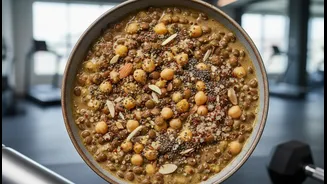
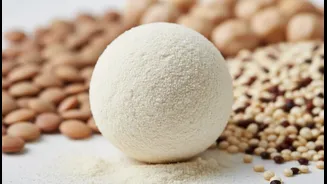
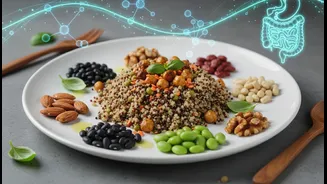
So, how do different protein sources stack up? Whey protein is famous for its rapid absorption and high bioavailability, making it a post-workout favourite. Casein, another dairy protein, digests much more slowly, providing a steady release of amino acids. Whole food sources like eggs, chicken, and fish are also considered top-tier. On the plant-based side, sources like soy are complete proteins, but their digestion might be slightly less efficient than whey. Other plant proteins like pea or rice can be lower in certain amino acids. This is why many plant-based protein powders use a blend of sources, like pea and rice, to create a complete amino acid profile. In the context of a traditional Indian diet, this isn't a new concept. Combining dal (lentils) with rice or roti (wheat) creates a complete protein by pairing sources that complement each other's amino acid weaknesses.
Should You Stop Trusting Your Protein Supplement?
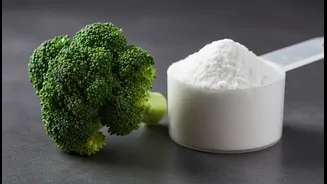
This doesn't mean your protein powder is a scam, but it does mean you need to be a smarter consumer. The discrepancy isn't always about deliberate deception; it's about the limitations of labelling regulations. While some studies have found inaccurate labels and even prohibited substances in supplements, the bigger issue is often one of quality. A product can legally list its total protein grams even if a portion of that protein is from a lower-quality source like collagen, which lacks a complete amino acid profile. A helpful tip is to look at the Percent Daily Value (%DV) on the nutrition label. While the protein grams reflect the total amount, the %DV is often adjusted for protein quality using the PDCAAS score, offering a clue to how much “usable” protein you're getting.
How to Build a Smarter Protein Strategy
Instead of obsessing over every single gram, it's better to focus on the bigger picture. Experts agree that total daily protein intake is what matters most for the majority of people. A common recommendation for active individuals is to aim for around 20-40 grams of high-quality protein per meal, spread throughout the day. This approach is more effective for muscle protein synthesis than consuming a huge amount in one sitting. The most effective strategy is to build a varied diet. By eating a mix of protein sources—lean meats, fish, dairy, eggs, lentils, beans, and seeds—you ensure you're getting a wide spectrum of amino acids. This way, the potential shortcomings of any single source are balanced out by the strengths of others. Prioritise whole foods, as they come packaged with other essential nutrients.