





Juicy Plums and Pluots
Often overlooked, deep-hued plums and their sweet-tart hybrid, pluots, are powerhouses of nutrition perfect for the season. They are rich in antioxidants, particularly anthocyanins, which give them their signature red and purple colors. These compounds
help combat oxidative stress, which is crucial when the body is working harder in humid conditions. Plums are also an excellent source of dietary fiber, promoting healthy digestion at a time when heavy, damp weather can sometimes lead to sluggishness. Their vitamin C content provides a solid boost to your immune system, helping you fend off the seasonal sniffles that can make rounds when everyone is spending more time indoors to avoid the rain. Slice them into a salad, blend them into a smoothie, or just eat one over the sink for a perfect, juicy snack.
A Bounty of Berries
Blackberries, blueberries, and raspberries hit their peak during the late summer months, arriving just in time to support your wellness routine. These tiny fruits are famous for being packed with vitamins and antioxidants. Blueberries, in particular, are celebrated for their brain-boosting benefits, but all berries offer a significant dose of vitamin C—a key nutrient for a robust immune response. Their high fiber and water content also aid in hydration and digestion. The best part? They are incredibly versatile. Sprinkle a handful on your morning yogurt or oatmeal, blend them into a refreshing smoothie, or simply enjoy them by the handful. They provide a burst of natural sweetness without weighing you down, making them an ideal food for staying light and energetic through the muggy weather.
Hydrating Melons
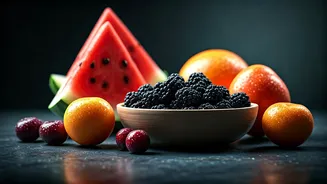
When the air is thick with humidity, it’s easy to become dehydrated without realizing it. Enter watermelon and cantaloupe, nature’s most delicious solutions to staying hydrated. With a water content of over 90%, these melons are essentially edible water, helping to replenish fluids lost through sweat. But they offer more than just H2O. Watermelon contains lycopene, a powerful antioxidant, and citrulline, an amino acid that can help reduce muscle soreness. Cantaloupe is one of the best sources of vitamin A, which is essential for healthy skin and vision, and it’s also packed with vitamin C. A few cool slices of melon on a hot, sticky afternoon feel like a true luxury, but they’re also working hard to keep your body in balance.
Peaches and Nectarines
Is there anything that says “summer” more than biting into a perfectly ripe peach or nectarine? These stone fruits are more than just a seasonal treat; they are a boon for your health. Loaded with vitamins A and C, they support both your immune system and your skin health. The humidity and sun exposure of the season can be tough on your skin, and the nutrients in peaches help repair and protect it. They also provide a good amount of fiber and are naturally hydrating. Their sweet flavor makes them a satisfying dessert on their own, but they also shine when grilled, added to iced tea, or sliced into a savory salad with goat cheese and a light vinaigrette. They’re a simple, delicious way to get a dose of sunshine, even on a cloudy, rainy day.
Tart and Sweet Cherries
While their peak season is slightly earlier in the summer, late-season varieties of cherries are often available right as the monsoon weather begins. Both sweet and tart cherries are packed with benefits. They are renowned for their anti-inflammatory properties, thanks to high concentrations of anthocyanins. This can be especially helpful for soothing aches and pains that can feel more pronounced in damp weather. Tart cherries are also one of the few natural food sources of melatonin, the hormone that regulates sleep. A handful of cherries in the evening could help you get a more restful night's sleep, which is fundamental to a strong immune system and overall vitality. Enjoy them fresh, or use frozen cherries in smoothies and sauces to reap their benefits year-round.