

The Anatomy of a Comeback
In the high-octane world of T20 cricket, momentum is everything. For a bowler, being dispatched into the stands for a maximum is often a moment of immense pressure. The batsman is confident, the crowd is roaring, and the captain is watching intently.
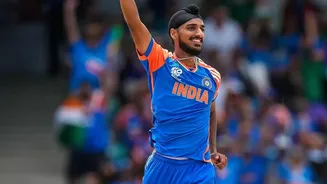
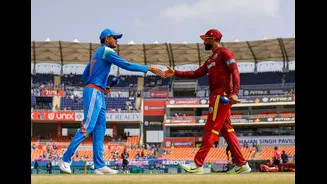
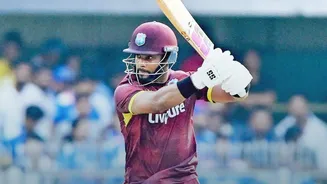
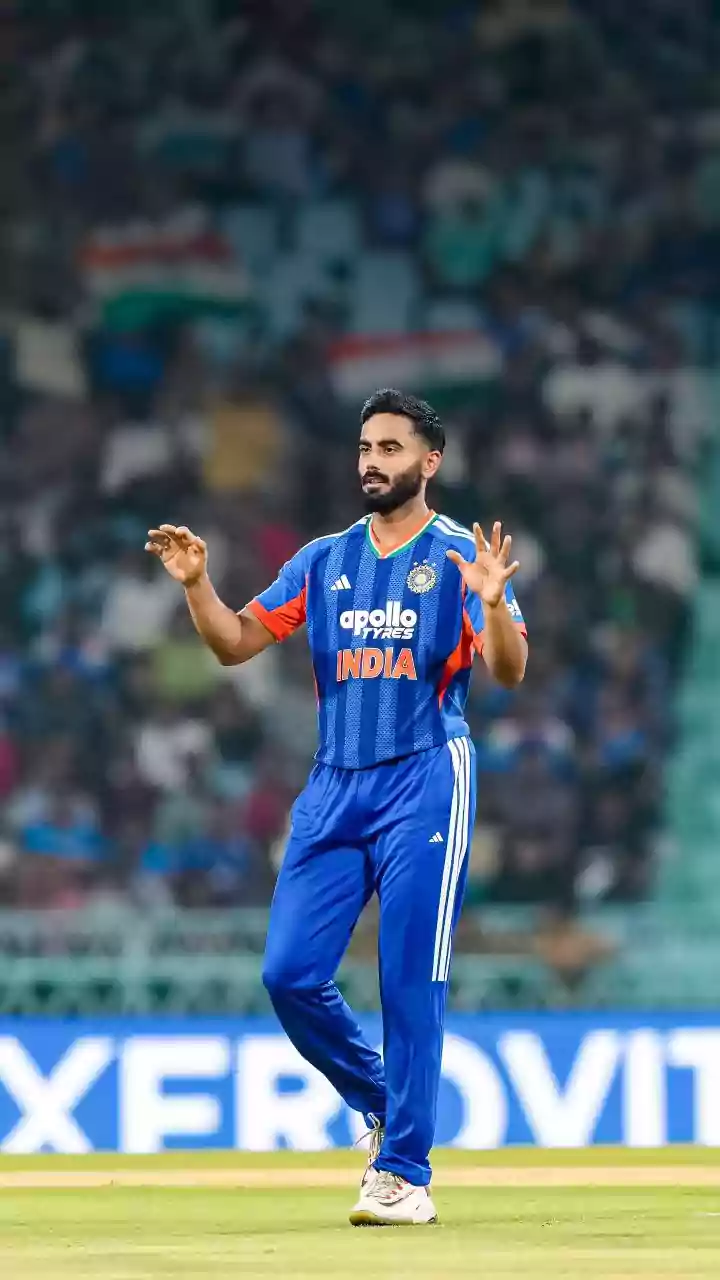
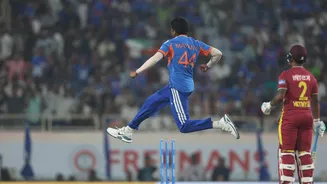
The conventional wisdom is to regroup, contain the damage, and finish the over without further carnage. However, Naman Dhir seems to have thrown that playbook out the window. Across the first three matches of the ongoing series against the West Indies, a truly peculiar pattern has emerged. On five separate occasions, a West Indian batsman has celebrated hitting Dhir for a six, only to trudge back to the pavilion the very next delivery. This isn't just a coincidence; it's a statistical anomaly that speaks volumes about the player's mindset. It’s a sequence of events that turns a moment of batting dominance into a bowler's ultimate revenge, and it has happened with astonishing regularity.
Who is Naman Dhir?
Primarily known for his aggressive batting in the IPL for Mumbai Indians, Naman Dhir's journey to the Indian team has been a testament to his all-round potential. While fans were familiar with his ability to clear the ropes, his recent exploits with the ball have come as a revelation. Making his debut in the series, the 26-year-old from Punjab has quickly shown he is more than just a part-time bowler. Pundits have noted that he possesses significant cricketing intelligence, using subtle variations in pace and line to out-think batsmen. In a team looking for multi-faceted players, especially in the absence of Hardik Pandya, Dhir is making a strong case for himself as a genuine all-rounder who can contribute decisively with both bat and ball. His knack for breaking partnerships, especially after being put under pressure, adds a layer of unpredictability to India's bowling attack.
A Pattern of Retaliation
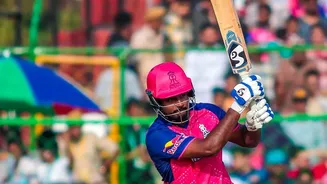
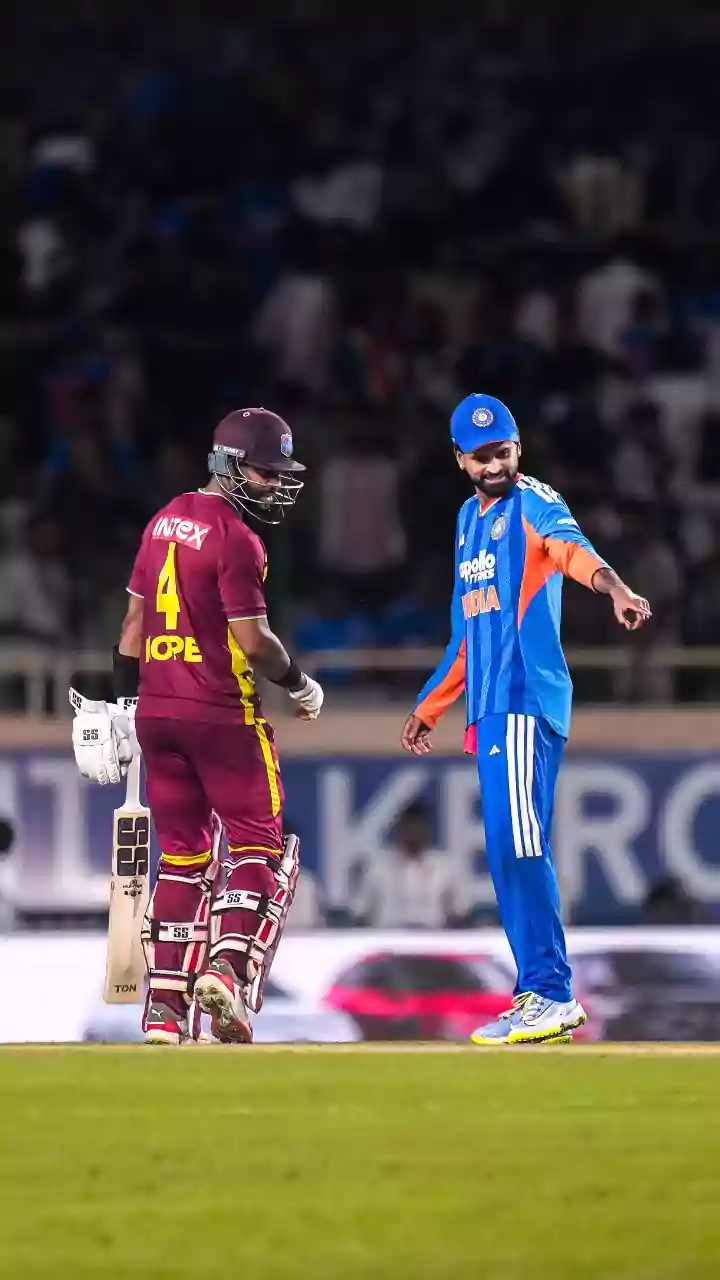
The five instances are a study in temperament. In the first T20I, Dhir claimed three wickets, and remarkably, all three came on the ball immediately following a six. The victims included established power-hitters like Shai Hope and Romario Shepherd. Rather than being rattled, Dhir adjusted his length and line, tempting the batsmen into a second, more reckless shot. This pattern continued into the third T20I in Indore, where he dismissed the well-set Shimron Hetmyer and Kamil Pooran. After being hit for three sixes by Pooran in a single over, Dhir kept his composure, tossed the next ball up, cramped the batsman for room, and induced a mistimed shot that found the fielder in the deep. This isn't just about bowling a good ball; it’s about winning a psychological battle. Dhir seems to understand that a batsman's confidence after hitting a six can quickly turn into overconfidence, and he has expertly used that to his advantage.
An Asset in T20 Cricket
A bowler who doesn't wilt under pressure is worth his weight in gold in the T20 format. Dhir’s unique ability to strike back immediately makes him a captain’s dream. In situations where the game is drifting away, his uncanny knack for turning an opponent's aggression against them can single-handedly shift momentum. Former players have praised his ability to read the game and his fearless approach. Instead of going on the defensive, he attacks, using the batsman's aggressive mindset as a trap. As India builds its squad for future tournaments, having a player who not only provides batting depth but also offers a wicket-taking option with such a bizarrely effective method is a significant strategic advantage. His performances have already started conversations about him being a valuable asset, particularly in the high-pressure death overs where this kind of mental fortitude is crucial.