







The New Age of Monsoon Prep
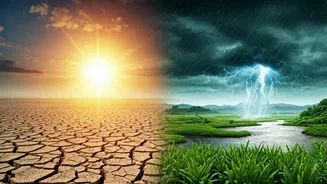
For generations, monsoon preparation in India was guided by experience—the direction of the wind, the behaviour of ants, and the wisdom of elders. While these traditional methods hold cultural significance, the increasing unpredictability of weather patterns,
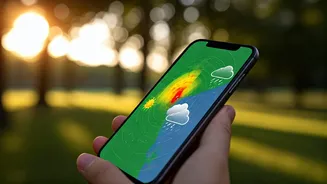
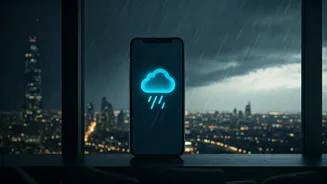
influenced by climate change, demands a more precise approach. Today, planning for the monsoon starts not just with fixing leaky roofs, but with a simple ping from your smartphone. Real-time weather alerts have become an indispensable tool for urban commuters, farmers, and families alike, transforming reactive scrambles into proactive planning. This shift allows for smarter, safer decisions, whether it's about a daily commute or protecting crops.
Your Pocket Weather Forecaster
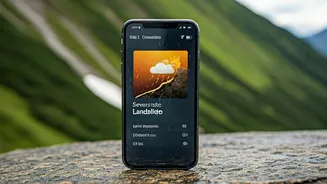
Leading the charge are official apps from the India Meteorological Department (IMD), which provide reliable and accessible weather data. The 'Mausam' app is a comprehensive tool offering current weather conditions, seven-day forecasts for over 450 cities, radar imagery, and crucial warnings for events like cyclones and heavy rain. For a more specific threat, the 'Damini' app provides lightning alerts, tracking activity and notifying users if a strike is possible within a 20 to 40 km radius—a vital feature for those who work outdoors. Alongside these government initiatives, private apps like Skymet Weather, AccuWeather, and The Weather Channel offer hyper-local forecasts, sometimes with minute-by-minute precipitation predictions, though users should always prioritise official IMD alerts for severe weather.
Decoding the Colour-Coded Alerts
To make warnings easily understandable, the IMD uses a colour-coded system. Understanding these alerts is key to making informed decisions. A 'Green' alert means 'No Warning,' indicating that the weather is normal. A 'Yellow' alert means 'Be Aware' or 'Watch', suggesting a need to stay updated as weather could change. An 'Orange' alert means 'Be Prepared,' as it forecasts heavy rainfall that could disrupt daily life with potential flooding or travel delays. The most critical is the 'Red' alert, which means 'Take Action.' This is issued for extremely heavy rainfall and potentially hazardous conditions where authorities and the public need to take immediate steps to ensure safety.
From Daily Chores to Disaster Prep
The practical applications of these notifications are endless. For city dwellers, an alert for heavy rain in the evening can mean the difference between a smooth commute home and being stranded for hours. It helps in planning daily tasks like when to put clothes out to dry or whether to postpone an outdoor errand. For parents, it's about ensuring children get to and from school safely. In a broader sense, these alerts are critical for managing urban flood risks, allowing municipal bodies to prepare and citizens to avoid vulnerable low-lying areas. By receiving timely warnings, individuals can secure their homes, protect vehicles, and make decisions that significantly reduce risk to life and property.
A Lifeline for Indian Agriculture
Nowhere is the impact of weather notifications more profound than in the agricultural sector. For millions of farmers, the monsoon is the lifeblood of their livelihood, but its unpredictability can be devastating. Specialised apps like 'Meghdoot' provide farmers with crop-specific advisories based on weather forecasts, helping them make crucial decisions about sowing, irrigation, pesticide application, and harvesting. Initiatives in states like Telangana and Maharashtra are now using platforms like WhatsApp and dedicated AI-powered apps to send hyper-local advisories in regional languages, bridging the digital divide. These timely alerts help minimise crop losses, optimise resource use, and build climate resilience in rural communities.