
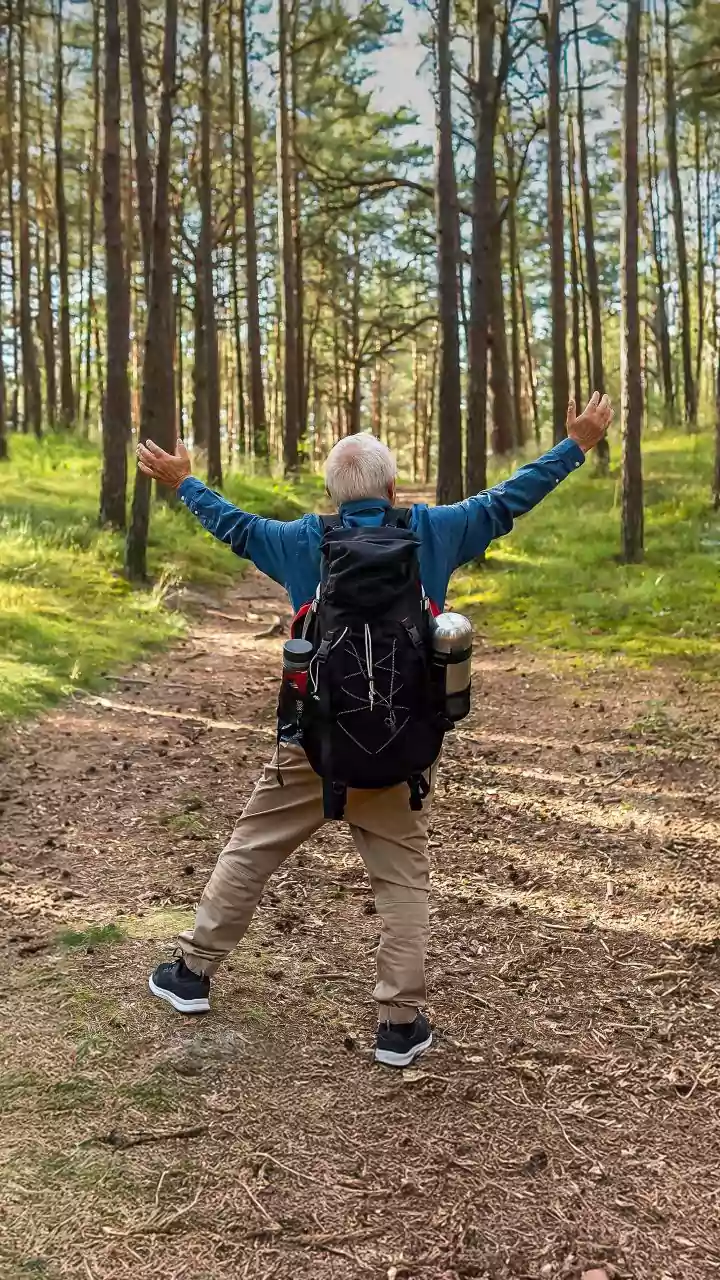
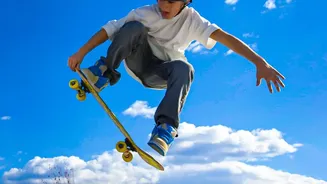

Searching for an activity to sharpen your balance? Hiking and skateboarding are two popular but vastly different options. Both promise a stronger core and better stability, but they deliver it through unique challenges and carry different risks.
The Quest for Better Balance
Balance
is more than just staying upright; it’s about proprioception—your body's ability to sense its own movement and position in space. This complex skill involves constant communication between your muscles, joints, and nervous system. Improving it can reduce your risk of injury and enhance your overall fitness. Both hiking and skateboarding are excellent for training proprioception, but they do so in fundamentally different ways. Hiking develops stability by forcing your body to adapt to slow-changing, uneven surfaces, while skateboarding hones reactive balance through constant, rapid micro-adjustments on an unstable platform. The choice between them comes down to the kind of balance you want to build and the level of risk you're willing to accept.
Hiking: Grounded and Steady Progress
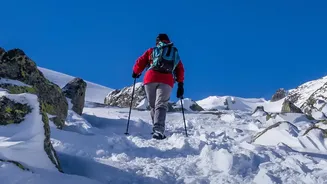
Hiking builds balance in a steady, deliberate manner. Every step on an uneven trail—over roots, rocks, and inclines—forces your ankles, knees, and hips to stabilize. This constant, low-level challenge strengthens the smaller muscles around your joints and engages your core to keep you upright. Think of it as foundational balance training. Your body learns to anticipate and adjust to gradual changes in terrain, improving your stability from the ground up. The balance required for hiking is primarily static and controlled. It’s about maintaining your center of gravity over a wide and relatively stable base of support, even when that base is irregular.
Skateboarding: Dynamic and Reactive Agility
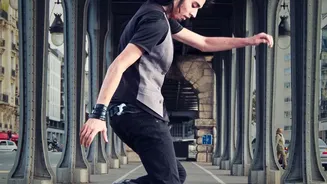
Skateboarding is a masterclass in dynamic balance. The act of simply riding a board requires continuous, subconscious adjustments to stay centered over a moving, rolling platform. This trains your body's fast-twitch muscle fibers and sharpens your reaction time. Unlike the predictable stability of the ground, a skateboard is inherently unstable, forcing your core and lower body to constantly react to shifts in weight and momentum. This is where you develop agile, reactive balance—the ability to correct your position in a split second. Every push, turn, and even the slightest wobble contributes to building a highly responsive sense of equilibrium.
Comparing the Risks: Hiking Injuries
Hiking's risks are often related to overuse, environment, and missteps. The most common injuries are sprains and strains, particularly of the ankle and knee, from twisting a foot on uneven ground. Blisters, caused by friction from ill-fitting boots, are also extremely common and can derail a hike. More severe injuries like fractures can occur from falls, but they are less frequent compared to skateboarding. Other risks are environmental, such as dehydration, sunburn, and getting lost if you stray from the trail. Most hiking injuries can be prevented with proper preparation: wearing well-fitting boots, using trekking poles for extra stability, and knowing your limits.
Comparing the Risks : Skateboarding Injuries
Skateboarding injuries are typically acute and traumatic, resulting from high impact falls onto hard surfaces. Fractures of the wrist, arm, and ankle are very common, often happening when a rider instinctively puts their hands out to break a fall. Scrapes and abrasions are a near certainty for any new skater. The most serious risk, however, is head injury. A fall backwards can easily lead to a concussion or more severe trauma. Unlike hiking where the terrain is the primary hazard, in skateboarding, the hazard is the inherent instability of the activity itself. The potential for sudden, severe injury is significantly higher, especially for beginners.
Gear and Safety : What You Need to Start
Getting started with hiking is relatively simple. The most crucial investment is a pair of supportive, well fitting boots or shoes to provide ankle support and prevent blisters. Beyond that dressing in layers and carrying a small pack with water snacks and a map are key. For skateboarding the required safety gear is non negotiable and more extensive. A certified multi impact helmet is the most critical piece of equipment to protect against head injuries. Wrist guards elbow pads and knee pads are also essential for protecting the most common points of impact during a fall. While a good pair of hiking boots can be a significant purchase a full set of quality skateboarding protective gear and a decent beginner board represent a comparable initial investment.