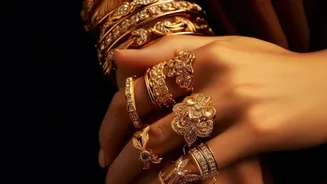

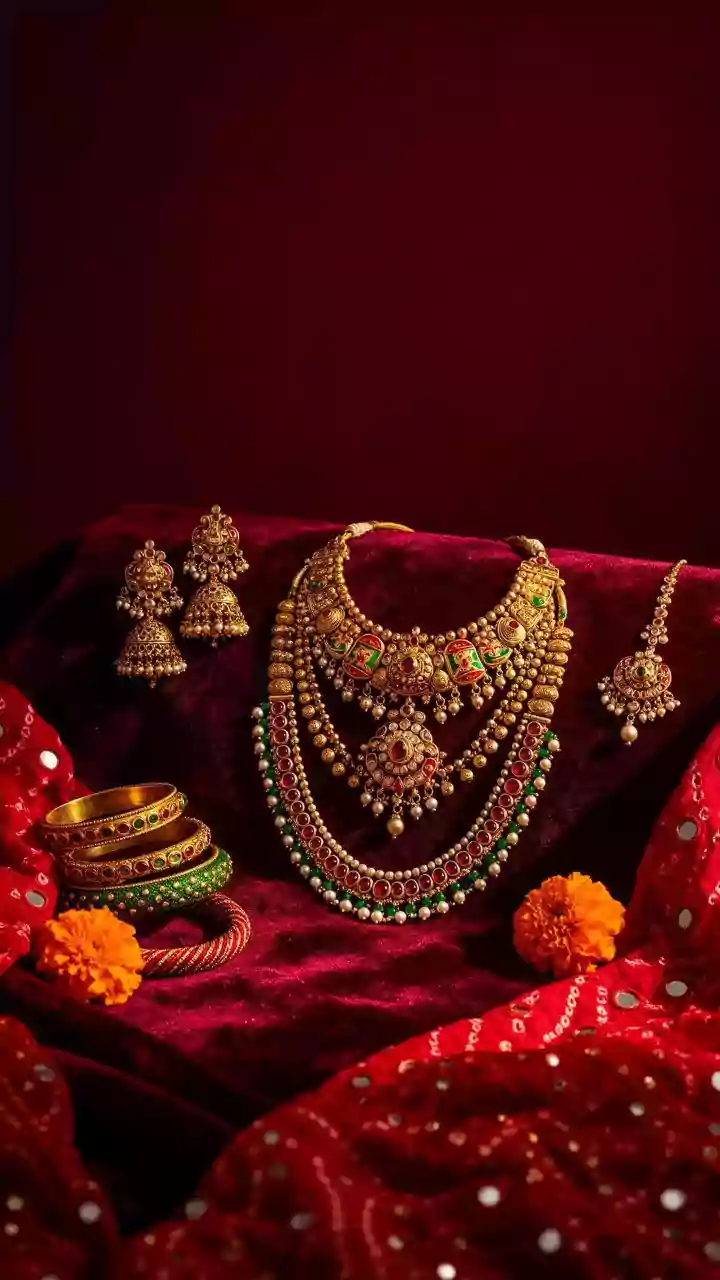
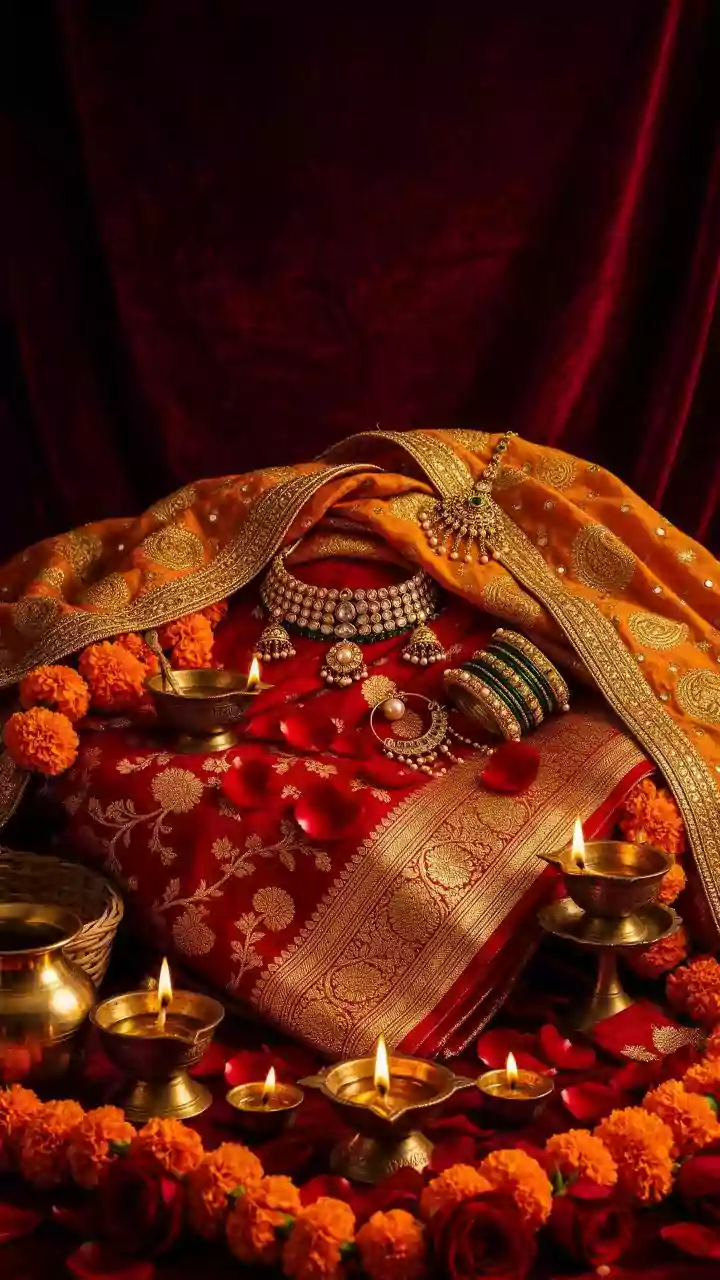




In millions of Indian homes, gold jewellery is not just for special occasions. It's a deeply ingrained part of culture and, more importantly, a tangible, trusted financial safety net that families rely on when crisis strikes.
More Than an Ornament, It's an Emergency Fund
For generations, Indian households
have accumulated gold, not merely as a status symbol but as a strategic reserve of wealth. Indian households are collectively the largest private holders of gold in the world, with estimates suggesting they hold over 25,000 tonnes. This vast reserve functions as an accessible emergency fund. Unlike stocks or real estate, gold jewellery is liquid and can be converted to cash within hours, making it an invaluable resource during unexpected events like a medical emergency, a sudden job loss, or urgent business needs. This dual identity—as both a cherished cultural object and a practical financial tool—is what makes its role unique.
The Lifeline of Gold Loans
When faced with financial distress, selling a family heirloom is often the last resort due to deep emotional attachments. Instead, families overwhelmingly prefer to pledge their gold as collateral for a short-term loan. This practice has fueled a massive gold loan market in India. The process is significantly faster and requires minimal documentation compared to traditional bank loans, and it doesn't typically depend on a person's credit score. This accessibility is crucial during a crisis when time is of the essence. Both regulated banks and non-banking financial companies (NBFCs), as well as local moneylenders in the unorganised sector, provide these loans, offering a lifeline that keeps families afloat without forcing them to permanently part with their assets.
An Emotional and Financial Calculation
The decision to pledge family gold is never purely transactional; it's laden with emotion. Much of this jewellery is inherited, passed down through generations as 'Streedhan' (a woman's wealth) or gifted during weddings and births. Each piece carries stories and memories, making it a symbol of family legacy and continuity. Therefore, pledging it is a significant step, often taken only when all other options are exhausted. The deep-seated cultural imperative to reclaim these heirlooms ensures that default rates on gold loans are exceptionally low, making it a relatively secure product for lenders as well.
A Barometer of Economic Distress
The demand for gold loans often surges during periods of economic hardship. Recent data reflects this trend, with bank loans against gold rising dramatically. While this highlights the asset's utility, it can also be a sign of underlying financial stress in households. Reports indicate that a growing number of borrowers are using gold loans to manage other debts or stay afloat, signaling that for some, this is a move of last resort after other credit lines have been exhausted. This surge has led lenders and regulators to watch the market closely for signs of risk, even as the sector continues its rapid expansion.
An Evolving Tradition in a Modern Economy
While physical jewellery remains dominant, the financial landscape is changing. The organised gold loan sector, with formal players like NBFCs and banks, is growing, offering more transparency and competitive interest rates than the traditional unorganised market of pawnbrokers. Furthermore, modern investment products like Sovereign Gold Bonds (SGBs) and Gold ETFs are gaining traction, offering a way to invest in gold without the challenges of physical storage. However, the cultural trust, emotional attachment, and immediate liquidity offered by physical jewellery ensure that it will likely remain the primary financial safety net for countless Indian families for the foreseeable future.