




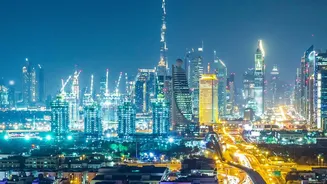

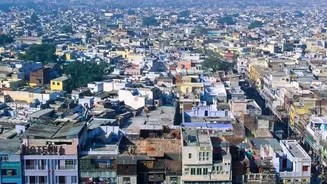
For decades, premium retail in India was a story written in the metros. But the script is changing. A new wave of consumption, driven by evolving tastes and digital access, is unfolding in the nation's secondary urban centres.
The New Geography of Growth
The centre of gravity for
Indian retail is shifting. Once considered secondary markets, Tier 2 and Tier 3 cities like Lucknow, Chandigarh, Jaipur, Indore, and Coimbatore are now powerful engines of growth. International brands, which previously focused almost exclusively on Delhi and Mumbai, are now aggressively expanding into these emerging hubs. This is not a minor trend but a structural shift; some reports suggest that over 90% of the growth in India's urban consumer class in the coming years will happen outside the five largest megacities. This expansion is visible on the ground, with cities like Lucknow and Chandigarh now boasting between 3 to 7 million square feet of retail real estate each. Brands such as H&M, Marks & Spencer, Starbucks, and even Armani Exchange are setting up shop, drawn by a consumer base that is ready and willing to spend.
Drivers of the Aspirational Consumer
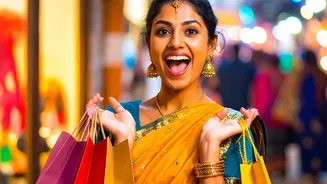
So, what’s fuelling this boom? It's a potent mix of economic and cultural factors. Firstly, disposable incomes in these cities have seen significant growth, driven by expanding service sectors and new employment opportunities. This has created a burgeoning middle class with the purchasing power to move beyond essential goods into discretionary and lifestyle spending. Secondly, the digital revolution has completely flattened the world of trends. Thanks to widespread smartphone use and social media platforms like Instagram and YouTube, a young professional in Jaipur has the same access to global fashion and lifestyle trends as their counterpart in Mumbai. This exposure has closed the aspiration gap, creating a unified demand for premium products that symbolise success and a modern lifestyle.
Digital Discovery and Physical Experience
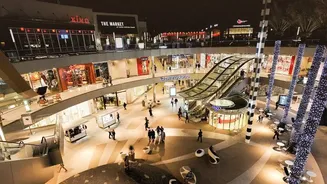
While online platforms are crucial for discovering brands, the purchase journey is often a hybrid one. Consumers in smaller cities use the internet to research and compare products, but many still prefer the tactile experience of a physical store, especially for high-value items. This has led to the rise of 'connected commerce', where the line between online and offline retail blurs. Recognising this, developers are building large, contemporary malls that are more than just shopping venues; they are lifestyle destinations for dining, entertainment, and socialising. This makes them the perfect stage for premium brands looking to create an immersive customer experience. For many shoppers in these cities, the mall has become the new community hub.
From Niche Trend to Mainstream Market
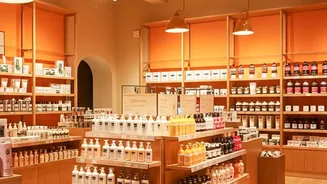
The demand for premium goods is no longer limited to apparel and electronics. Categories like highnd jewellery, premium home decor, and gourmet food are also seeing a surge in interest. For instance, digital payments for watches and jewellery in Tier 3 cities have seen a significant rise, signalling a clear trend towards 'premiumisation'. This isn't just about spending more; it's about seeking better quality and brand value. This shift is prompting retailers to rethink their strategies, moving from a onendize all national approach to one that understands local tastes and cultural nuances. Multi brand concept stores like The White Crow are catering to this new consumer by curating a mix of premium international brands in cities like Surat, Ranchi, and Dehradun.