
A Precautionary Measure for the Captain
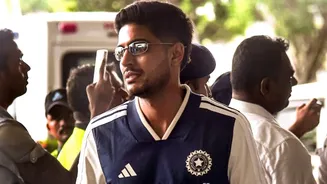
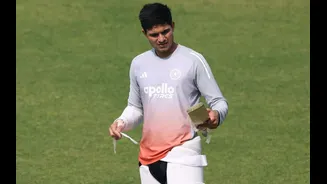
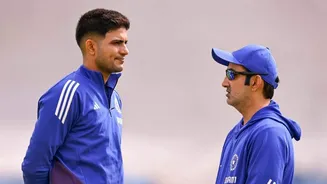
The primary reason for Shubman Gill’s absence from the captaincy duties was a precautionary one. Reports confirmed that Gill sustained a minor impact injury to his right ring finger during a practice session just before the match. In the context of a low-stakes
warm-up game, team management opted against taking any unnecessary risks with their appointed leader, especially with a crucial Test series on the horizon. Rather than have him fulfil the customary duties at the toss and on the field initially, the decision was made to hold him back to ensure the niggle did not worsen. This is a common practice in modern cricket, where player preservation, particularly of key assets like the captain, is paramount.
The Flexibility of Warm-Up Fixtures
It's important to understand that warm-up matches operate with a greater degree of flexibility than official international games. While the Laws of Cricket state that a captain or a nominated deputy from the playing XI must perform the toss, tour games often allow for more fluid arrangements. These matches are not about the result but about preparation, acclimatisation, and testing combinations. With Gill temporarily sidelined, the leadership mantle naturally passed to the most senior and experienced player in the squad, KL Rahul. The team management's decision to hand him the reins was a logical step, ensuring a seamless continuation of leadership on the field without disrupting the team’s pre-match rhythm.
KL Rahul: The Ever-Ready Leader
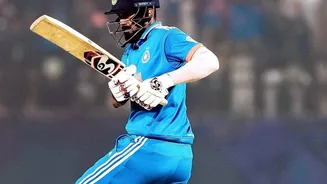
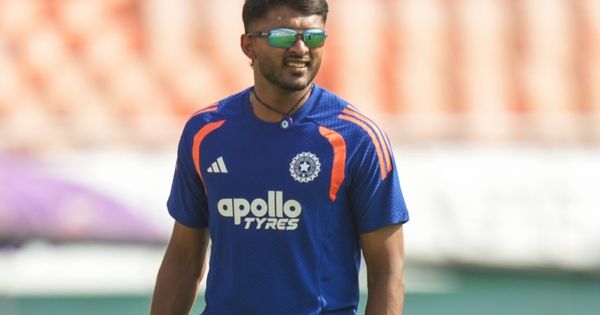
KL Rahul stepping into the captaincy role, even temporarily, is hardly a surprise. He has been a core part of India's leadership group across formats for several years. Having previously captained India in both Tests and ODIs, often as a stand-in, he represents a trusted and reliable deputy. His calm demeanour and tactical acumen are well-regarded within the dressing room. This incident, while minor, serves as another reminder of Rahul's value to the team beyond his contributions with the bat and gloves. He is seen not just as a player, but as a senior strategist who can take charge at a moment's notice, providing stability and direction. It reinforces his position as a key mentor within a squad that is transitioning to a new generation of leaders under Gill.
What This Means for the Bigger Picture
While Gill’s absence was injury-enforced, the situation subtly highlights the depth in India’s leadership structure. Having a player of KL Rahul’s calibre ready to step up underscores the team’s preparedness for unforeseen circumstances. Shubman Gill has been identified as the long-term successor to the previous generation of captains and has had a prolific start to his tenure. However, cricket is a demanding sport, and having multiple leaders within the group is a strategic asset. This philosophy has been a hallmark of Indian cricket, with a senior core often sharing the burden of decision-making. The smooth handover of duties from Gill to Rahul demonstrates that this leadership pipeline is robust and functional, which is a significant positive for the team's long-term health and stability.