






1. Verify the Website’s URL and Security
Before you even think about adding items to your cart, scrutinise the website's address. Scammers create 'lookalike' websites that mimic trusted brands with subtle misspellings or unusual domain extensions like '.xyz' instead of '.com'. Always look for a padlock
icon and "https://" at the start of the web address, which indicates that the connection is encrypted. However, be aware that even fraudulent sites can sometimes have these, so it's not a foolproof guarantee. Double-check the spelling of the brand in the URL and be wary of sites you've been redirected to from suspicious emails or messages.
2. Beware of Unbelievable Deals
A brand new smartphone at 80% off or a designer watch for the price of a movie ticket sounds amazing, but it's a classic red flag. Fraudsters use deals that seem too good to be true to create a sense of urgency, pressuring you to make a purchase without thinking. These massive discount offers are often used as bait on fake websites and social media ads to lure shoppers. If a price doesn't make business sense, it's likely a trap designed to steal your money or financial details. Always compare prices on well-known, reputable platforms before committing to a purchase.
3. Scrutinise Seller and Website Reviews
Don't just trust the glowing five-star reviews on the product page itself. Scammers often post fake reviews to appear genuine. Instead, search for independent reviews of the website or seller. A quick search for the website's name followed by terms like "scam," "complaint," or "reviews" on platforms like Quora or Reddit can reveal a lot. A legitimate business should also have a clear physical address and a working customer support number listed. If you can't find any contact information or independent feedback, it's safer to stay away.
4. Choose Secure Payment Methods
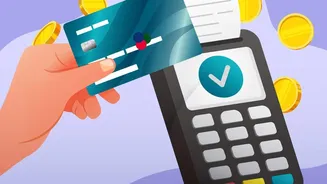
How you pay matters. Scammers often insist on full advance payment and disable the Cash on Delivery (COD) option. While not all prepaid-only sites are fraudulent, it's a significant warning sign, especially for a new or unknown store. Whenever possible, opt for secure payment methods like credit cards, which often have better fraud protection and chargeback options. Using official UPI apps like Google Pay or PhonePe is also a safe option, as you only need to enter a PIN without exposing your card details. Never approve a UPI collect request or scan a QR code from a seller to "receive" a refund, as this is a common tactic to debit money from your account.
5. Be Cautious with Social Media Adverts
Instagram and Facebook feeds are flooded with festive ads, but many are from fake sellers. These pages often have very few posts, generic comments, and no real community engagement. They might use stolen product images and create a false sense of urgency with "limited stock" claims. Scammers may even use AI-powered deepfakes of celebrities or influencers to endorse their fraudulent products. If you discover a new retailer through social media, do your homework before making a purchase, no matter how appealing the deal looks.
6. Read the Return and Refund Policy
A legitimate e-commerce business will have a clear, easy-to-find return and refund policy. Scam websites often have vague, poorly written, or non-existent policies. Before you buy, understand the process for returning a product if it's damaged or not what you expected. Some scams involve sending incorrect or low-quality items and then making the return process impossible. Also, be wary of refund scams where fraudsters, posing as customer support, ask you to share an OTP or install an app to process a refund; this is a trick to gain access to your accounts.
7. Protect Your Personal Information
No online store needs your Aadhaar number, bank account password, or full card details via WhatsApp to process an order. Legitimate websites only require basic information like your name, shipping address, and payment details through a secure checkout page. Be suspicious of any seller or website that asks for excessive personal data. Also, never share your One-Time Passwords (OTPs) with anyone, including individuals claiming to be from the bank, the shopping site, or a delivery company. An OTP is the final key to your account, and sharing it is like handing over cash.