




Why Start With Just One?
Before we get to the ‘what’, let’s talk about the ‘why’. Adopting a sustainable lifestyle can feel like a monumental task filled with complex choices about energy, waste, and consumption. It’s easy to get paralysed by the scale of it all. That’s where
the magic of starting small comes in. Focusing on one tangible, living thing — a plant — does two things brilliantly. First, it gives you an immediate, visible success. As you watch it thrive, you build confidence. Second, caring for a plant fosters a connection to the natural world. It’s a daily reminder of growth, patience, and the environment you’re trying to protect. This simple act of nurturing can become the psychological foundation for bigger changes, like composting, reducing plastic use, or conserving water. It’s not just about adding greenery to your room; it’s about planting the seed of a new mindset.
1. The Nearly Indestructible Snake Plant
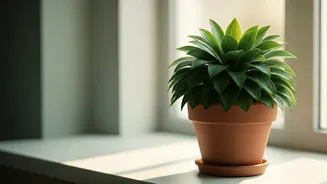
If you’re convinced you have a ‘black thumb’, the Snake Plant (Sansevieria trifasciata) is here to prove you wrong. This is the ultimate beginner’s plant. Its stiff, upright leaves have a modern architectural look, but its real superpower is its resilience. It tolerates low light, infrequent watering (in fact, it prefers its soil to dry out completely between waterings), and general neglect. As a bonus, it’s one of the plants noted by NASA for its air-purifying qualities, filtering toxins like formaldehyde and benzene from the air. It’s most effective at night, making it an excellent choice for a bedroom. For a first-time plant parent, the Snake Plant offers the highest reward for the lowest effort, giving you a much-needed confidence boost.
2. The Ever-Giving Money Plant
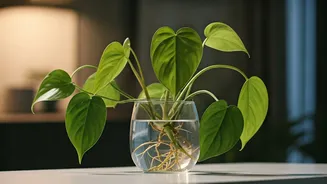
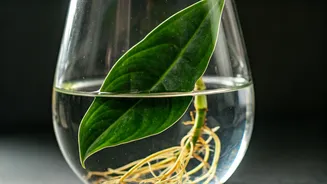
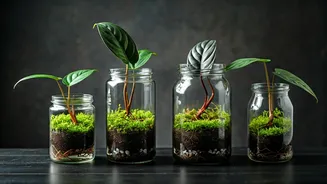
Found in countless Indian homes for a reason, the Money Plant (Epipremnum aureum, or Pothos) is a symbol of good luck and prosperity, but it's also incredibly easy to grow. Its beautiful, heart-shaped leaves on cascading vines can be grown in a pot, a hanging basket, or even just a bottle of water. This versatility makes it perfect for any space, big or small. The Money Plant is very forgiving; if its leaves start to droop, it’s just telling you it’s thirsty. It thrives in indirect light and can handle a bit of shade. The best part? It’s ridiculously easy to propagate. Just snip off a piece of stem with a few leaves, place it in water, and in a few weeks, you’ll have a new plant to keep or give away—your first act of spreading the green.
3. The Sacred and Useful Tulsi
For a plant that connects sustainability with culture and wellness, look no further than Tulsi (Holy Basil). Revered in households across India, Tulsi is more than just a plant; it's a part of a daily ritual. Growing it requires a bit more care than a Snake Plant—it loves sunlight (at least 4-6 hours a day) and regular watering—but the rewards are immense. Not only does it have spiritual significance, but its leaves are a powerhouse of medicinal properties, used in everything from tea to traditional remedies for coughs and colds. Tending to a Tulsi plant connects you to a long-standing tradition of living in harmony with nature. It’s a choice that feels both personal and deeply rooted in Indian culture, making your first step into green living a meaningful one.
4. The Soothing Aloe Vera
Why not choose a first plant that gives back in a very practical way? Aloe Vera is a succulent, which means it’s adapted to dry conditions and stores water in its fleshy leaves. This makes it incredibly low-maintenance; it just needs a sunny spot and very little water. But its true value lies inside its leaves. The gel from a mature Aloe Vera plant is a well-known home remedy for soothing skin irritations, minor burns, and sunburns. Having a living first-aid kit on your windowsill is the epitome of self-sufficiency. Every time you use it, you’re reminded of the simple, powerful solutions nature provides, reinforcing the core principle of sustainable living: working with nature, not against it.