





What Exactly Are Ultra-Processed Foods?
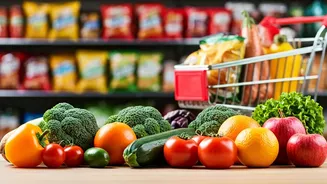
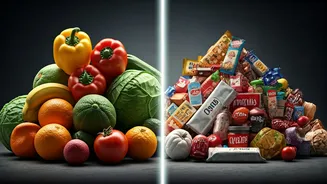
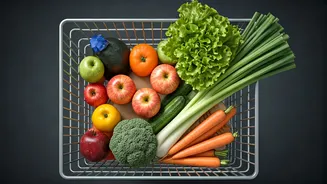
The term ‘ultra-processed food’ comes from the NOVA classification system, which groups foods by their level of industrial processing. While minimally processed foods include things like fruits, vegetables, and grains, UPFs are at the other end of the spectrum.
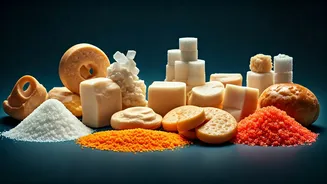
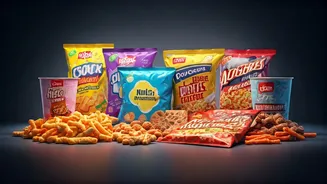
These are not just foods with added salt, sugar, or oil. They are industrial formulations made from substances extracted from foods or synthesized in labs. Think of ingredients you don’t have in your kitchen pantry, like hydrogenated oils, protein isolates, high-fructose corn syrup, and a host of artificial colours, flavours, and emulsifiers. Common examples include packaged biscuits, sugary drinks, instant soups, many breakfast cereals, and mass-produced breads.
The Health Concerns Driving the Change
The shift away from UPFs is fuelled by a growing body of research linking them to negative health outcomes. Major studies have found strong associations between high UPF consumption and an increased risk of obesity, heart disease, type 2 diabetes, certain cancers, and even mental health issues like depression and anxiety. Researchers believe this is due to several factors. UPFs are often high in unhealthy fats, added sugars, and sodium, while being low in essential nutrients and fibre. Furthermore, they are specifically designed to be 'hyper-palatable'—so tasty and convenient that they encourage overconsumption and can disrupt the body's natural appetite signals.
How to Spot a UPF on the Shelf
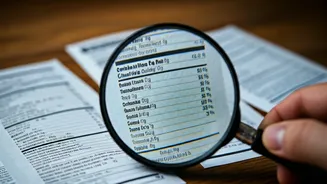
Identifying a UPF can be tricky, as many are marketed with health claims. The key is to become a label detective. A long list of ingredients is a primary red flag. Ask yourself: could I make this at home with ingredients from my own kitchen? If the list contains chemical-sounding names you don't recognise—like maltodextrin, mono- and diglycerides, or various gums—it's likely ultra-processed. Other tell-tale signs include the presence of artificial sweeteners, colours, and flavours. Be wary of products that come in many artificial flavour varieties or are advertised as 'instant' or 'ready-to-eat'. In India, this applies to many packaged namkeens, biscuits, and even some traditional sweets that are now mass-produced with industrial ingredients.
Smarter Snacking: The Indian Way
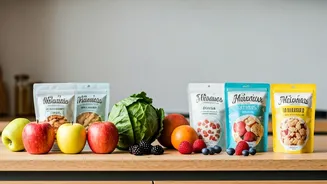
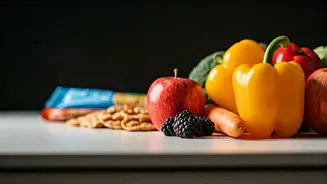
The good news is that making healthier choices doesn't mean giving up snacking. India’s rich culinary heritage offers a vast array of delicious and nutritious alternatives. Instead of reaching for a packet of chips, consider roasted makhana (fox nuts), which are low in calories and rich in nutrients. A handful of roasted chana (chickpeas) provides a satisfying crunch along with protein and fibre. Other great options include a bowl of yoghurt (dahi), fresh seasonal fruits, spiced buttermilk (chaas), a small portion of nuts and seeds, or steamed snacks like dhokla or idli. Even traditional snacks like bhel puri can be made healthier at home by loading up on fresh vegetables and using homemade chutneys to control sugar and salt levels.
A Mindful Shift in Habits
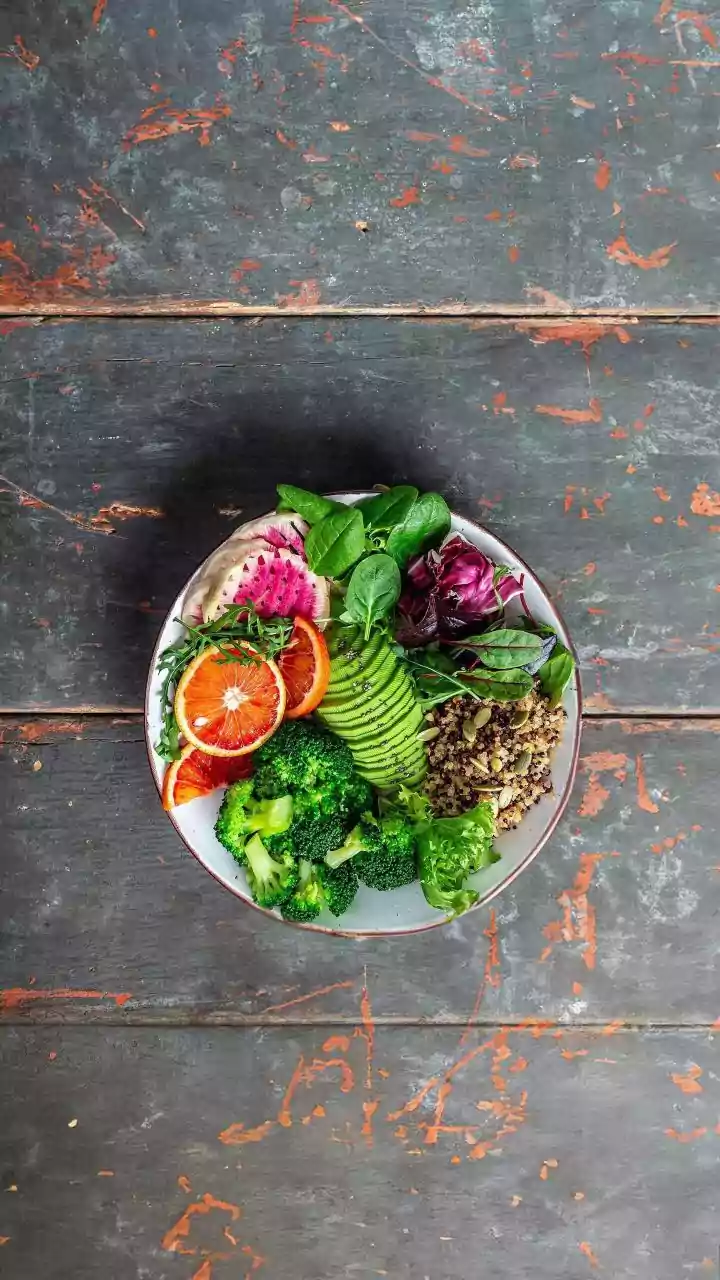
Ultimately, moving away from UPFs is about more than just swapping one snack for another; it’s about adopting a more mindful approach to eating. It involves prioritising whole foods—those that are as close to their natural state as possible. This aligns well with traditional Indian dietary wisdom, which has always emphasised fresh, seasonal, and home-cooked meals. While the convenience of UPFs is undeniable in our fast-paced lives, the growing awareness of their impact is empowering consumers to pause and choose differently. A study found that in North India, around 75% of people had consumed a UPF in the previous 24 hours, with biscuits being a common choice. By making small, conscious changes to our snacking habits, we invest in our long-term health, one bite at a time.