

What is an Olla?
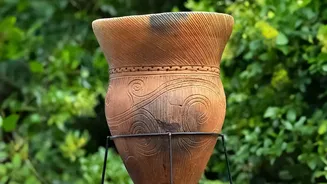
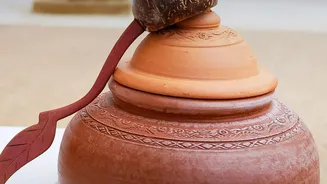
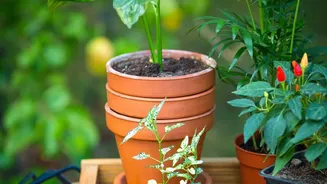
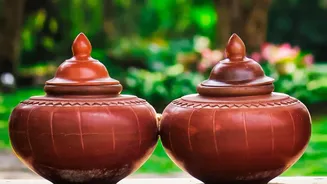
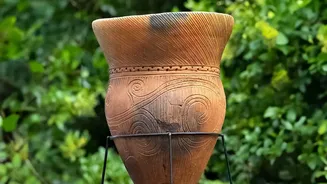
An olla (pronounced 'oy-ya') is simply an unglazed, porous terracotta pot that is buried in soil and filled with water to irrigate plants. This method of irrigation is thousands of years old, having been used by ancient cultures in places like North Africa
and China to grow crops efficiently in arid climates. The principle is brilliantly simple: the pot acts as a water reservoir that allows moisture to seep out slowly and directly into the soil, providing a constant source of hydration right where plants need it most—at the roots.
The Science of Smart Hydration
Ollas are a form of 'smart' irrigation because they release water based on the needs of the surrounding soil and plants. This works through a process called soil moisture tension. When the soil is dry, its tension pulls water through the microscopic pores of the unglazed clay. As the soil becomes moist, the tension decreases, and the seepage slows or stops entirely. This means if it rains, the water stays in the olla until the soil begins to dry out again. This self-regulating system prevents both under-watering and over-watering, creating the stable conditions that help plants thrive.
Why Ollas Excel on Balconies
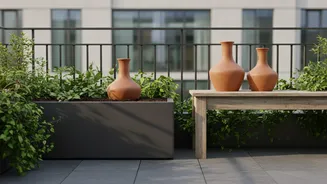
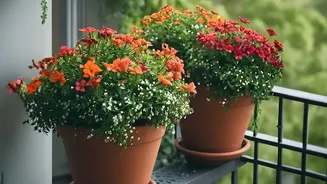
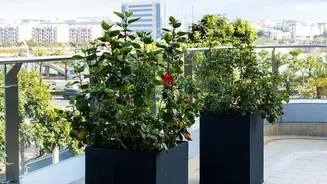
Container gardens on balconies are particularly vulnerable to drying out quickly. They are exposed to wind, which strips moisture from leaves, and heat radiating from the building's structure. Ollas counteract these challenges effectively. By delivering water underground, they nearly eliminate the surface evaporation that wastes so much water in traditional top-watering. This method also encourages deeper, stronger root growth, making plants more resilient. For the balcony gardener, this means less time spent watering, healthier plants, and significant water conservation.
How to Use Ollas in Your Pots
Using an olla in a container is straightforward. First, choose an appropriately sized olla; it should not take up more than about one-quarter of your container's volume. A single small olla is usually sufficient for a pot up to 24 inches in diameter. When planting, bury the olla in the center of the pot, leaving the neck exposed an inch or two above the soil line to prevent dirt from getting in. Pack the soil firmly around it to ensure good contact between the clay and the soil. Then, arrange your plants around the olla. Fill it with water and place a cap or a small stone over the opening to reduce evaporation and keep debris out. You'll typically only need to refill it every few days to a week, depending on the conditions.
Best Plants and Practices
Ollas work best for plants with fibrous root systems that prefer consistent moisture. Thirsty vegetables like tomatoes, peppers, and squash are excellent candidates, as are many herbs like basil and mint. Annual flowers such as marigolds and zinnias also respond well. When planting, place the thirstiest plants closest to the olla. While you can use tap water, be aware that water with a high mineral content may eventually clog the pores of the clay over time, reducing its effectiveness. Don't add liquid fertilizers directly into the olla, as this can also cause clogging; apply fertilizers to the soil as you normally would.