



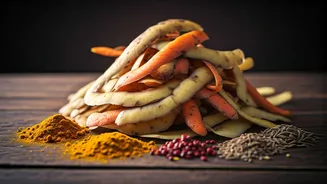


From Kitchen Scrap to Star Snack
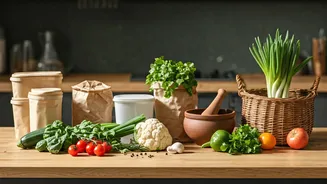
The idea of eating vegetable peels isn't just a quirky social media trend; it's the delicious result of the root-to-stem cooking philosophy. This approach, which champions using every part of the plant, has migrated from high-end, eco-conscious restaurants
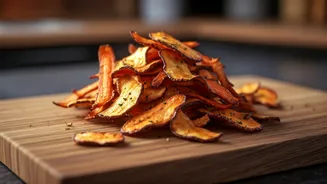
right into our home kitchens. Why now? It’s a perfect storm of factors. We’re all looking for ways to reduce food waste, stretch our grocery budgets, and find healthier alternatives to processed snacks. Crispy vegetable peels tick every box. They turn something you’d otherwise discard into a crunchy, satisfying treat that rivals a bag of potato chips. Plus, many of a vegetable's nutrients and fiber are concentrated in or just below the skin, making this a surprisingly virtuous indulgence. Instead of being a chore, prepping veggies becomes a two-for-one deal: one part for your main dish, one part for tonight’s snack.
The Best Peels to Crisp (and a Few to Skip)
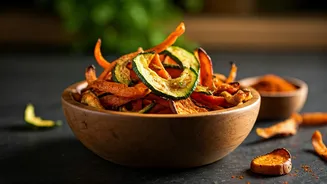
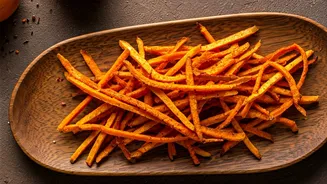
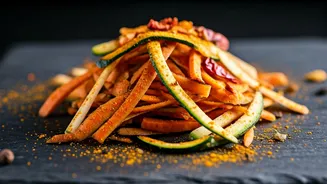
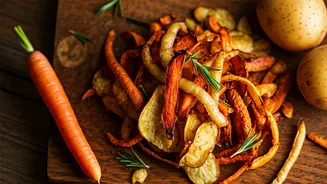
Not all peels are created equal. For the best results, stick to sturdy root vegetables. The undisputed champions are: * **Potatoes and Sweet Potatoes:** The classics. Their high starch content guarantees a satisfying crunch, making them the perfect entry point into the world of peel snacks. * **Carrots and Parsnips:** These offer a slightly sweeter, earthier flavor and crisp up beautifully, turning into vibrant, delicate shards. * **Beets:** They create stunning, deep-red crisps with an earthy-sweet taste. Just be prepared for stained fingers! * **Zucchini and Summer Squash:** While higher in water, their peels can work if thoroughly dried. They become light and almost melt in your mouth. Which peels should you avoid? Steer clear of anything with a waxy coating, like conventional cucumbers. Avoid very tough or bitter peels from vegetables like kohlrabi or certain winter squashes unless you know you like the flavor. And it’s best to skip peels from the allium family (onions, garlic) as they tend to burn and become acrid. Always start with organic vegetables if possible, and scrub them well regardless.
The Foolproof Method for Maximum Crispiness
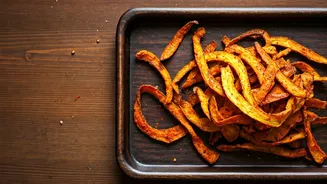
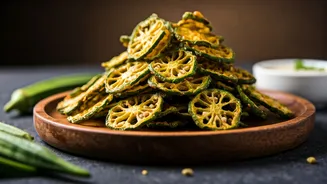
The secret to a truly great peel chip is removing moisture and using high heat. Wet peels will steam, not roast, leaving you with a soggy disappointment. Here’s the basic technique: 1. **Wash and Dry:** Scrub your vegetables thoroughly before peeling. After you peel them, the most critical step is to pat them completely dry with a clean kitchen towel or paper towels. Don't be shy; get them as dry as possible. 2. **Oil and Season:** In a bowl, toss the dry peels with a light coating of oil (olive, avocado, or another high-heat oil works well). Use just enough to make them glisten, not drip. Add a generous pinch of fine-grain salt and any other seasonings. 3. **Cook:** You have two great options: * **In the Oven:** Spread the peels in a single, even layer on a baking sheet. Do not overcrowd the pan, as this causes steaming. Roast at 400°F (200°C) for 10-15 minutes, watching closely. They can go from golden to burnt in a matter of seconds. Toss them halfway through for even cooking. * **In the Air Fryer:** This is arguably the best method for ultra-crispy results. Place the seasoned peels in the air fryer basket at 375°F (190°C) for 5-8 minutes, shaking the basket a couple of times throughout. Again, keep a close eye on them.
Flavor Combinations to Get You Started
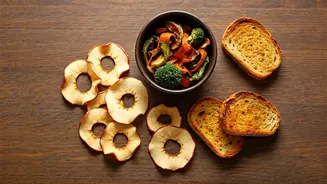
While simple salt and pepper is a great start, the real fun comes from custom spice blends. Think of the peels as a blank canvas for your favorite flavors. Try one of these combinations before you start inventing your own: * **Smoky & Spicy:** Smoked paprika, a pinch of chili powder, garlic powder, and a dash of cumin. * **Herby & Savory:** Finely chopped fresh rosemary (or dried), garlic powder, and a sprinkle of parmesan cheese tossed on right after they come out of the oven. * **Zesty & Bright:** Lemon pepper seasoning, onion powder, and a little dried dill. * **Sweet & Warm (for sweet potato or parsnip peels):** A dusting of cinnamon and a tiny pinch of cayenne for a surprising kick. Once crisped, you can eat them straight from the bowl, use them as a crunchy topping for salads or soups instead of croutons, or serve them alongside your favorite dip, like a creamy aioli or a zesty yogurt sauce.